12 Cores Terminal Box: Top High-Density Fiber Units
12 Cores Terminal Box units serve as the backbone of modern fiber optic distribution networks. Every professional installer understands that managing fiber density requires precision and high-quality hardware. Consequently, EPCOM provides specialized solutions that ensure seamless connectivity for telecommunications infrastructure. In this article, we will explore why a 12 cores terminal box is essential for your next FTTx project. We will also examine the technical specifications and compatible accessories that maximize efficiency.
The Evolution of the 12 Cores Terminal Box
Optical fiber technology has advanced rapidly over the last decade. Initially, large distribution hubs were the norm. However, current trends favor localized distribution. This shift has made the 12 cores terminal box a preferred choice for residential and small commercial buildings. These compact enclosures allow for organized splicing and termination. Furthermore, they protect delicate glass fibers from environmental hazards such as moisture and dust.
EPCOM designs its enclosures to meet international standards. For instance, according to the ITU-T G.652 standards, fiber bending radius must be strictly maintained. Our boxes include internal management clips to prevent signal loss. Therefore, your network stays reliable even in high-traffic environments. Additionally, the housing is typically made of high-impact PC or ABS plastic.
Key Features of High-Quality Fiber Enclosures
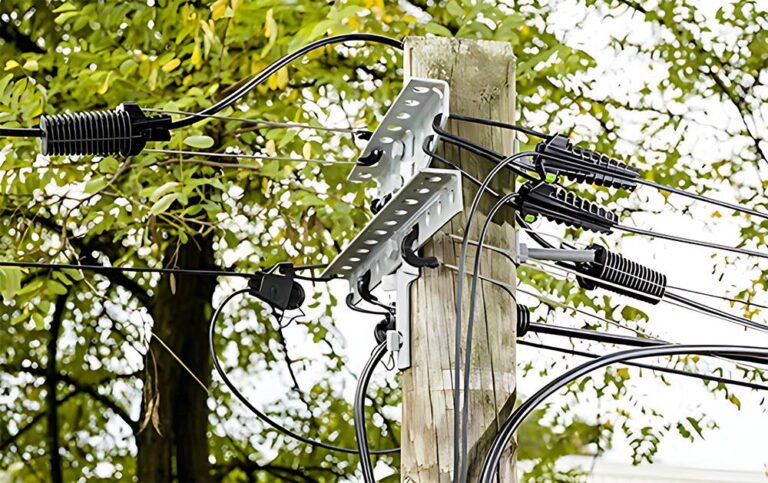
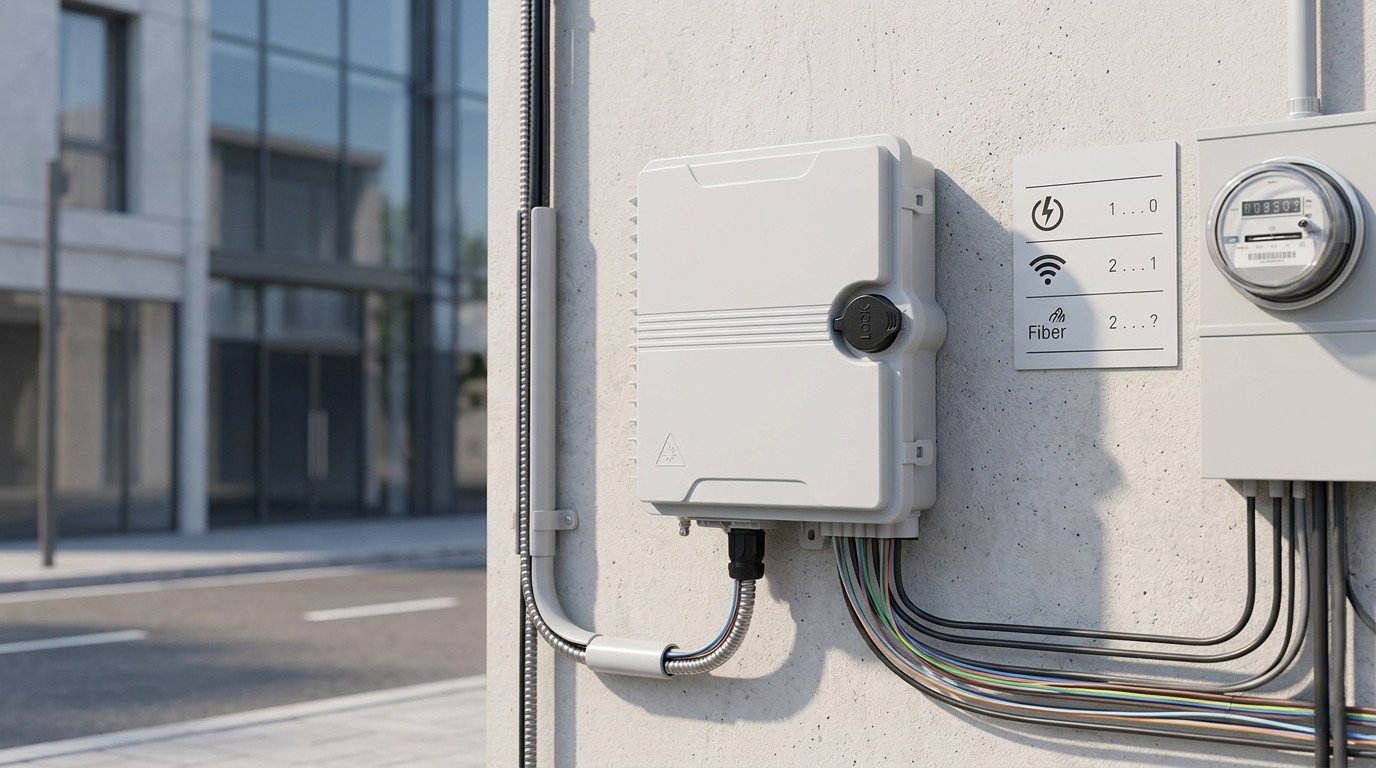
What defines a premium 12 cores terminal box? First, look at the port configuration. A standard box usually features two main inlet ports and twelve outlet ports. This allows for a 1×12 split or direct termination. Second, consider the mounting options. Most EPCOM models support both wall-mount and pole-mount installations. This versatility is vital for outdoor deployments where space is limited.
Another critical factor is the interior layout. A well-designed tray should facilitate easy splicing. Moreover, it must accommodate various connector types. For example, using a SC Single Mode Adapter ensures low insertion loss. Compatibility with multiple adapter styles makes the EPCOM terminal box highly adaptable. Thus, engineers can use them in diverse network architectures without switching hardware.
Durability and Environmental Protection
Outdoor installations face harsh weather conditions. Therefore, an IP65 or IP66 rating is mandatory. EPCOM ensures every 12 cores terminal box is sealed against water ingress. This protection prevents corrosion of the internal components. Furthermore, UV-resistant materials prevent the box from becoming brittle under direct sunlight. In the long run, this reduces maintenance costs and downtime for the service provider.
Installation Best Practices for a 12 Cores Terminal Box
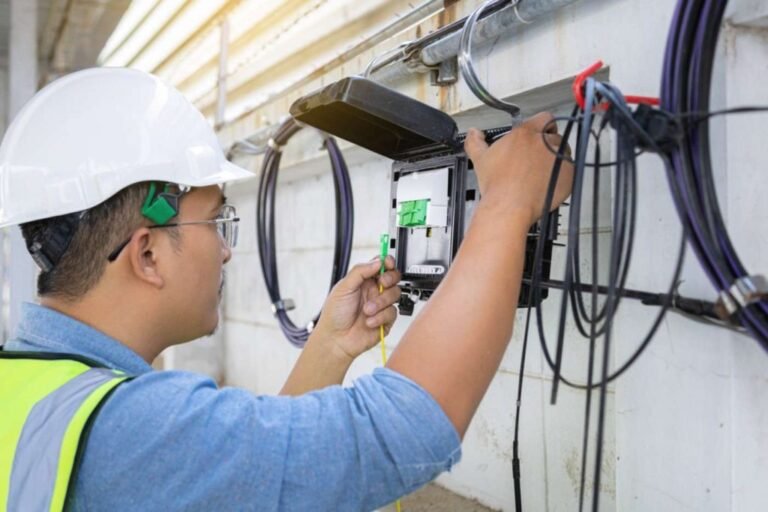
Proper installation is the key to network longevity. First, the cable must be stripped carefully. For this task, a Flat Drop Wire Stripper is the ideal tool. It allows for clean cuts without damaging the inner buffer tubes. Next, the technician should secure the strength member of the fiber cable to the internal anchor point. This step prevents the cable from pulling out during thermal expansion or contraction.
After securing the cable, splicing begins. We recommend using a high-precision fusion splicer. Once spliced, the fibers are neatly coiled in the tray. It is important to follow the color-coding sequence defined by TIA/EIA-598 standards. Finally, the technician closes the box and checks the seal integrity. If the seal is compromised, moisture will eventually cause signal degradation.
Optimizing Signal with 12 Cores Terminal Box Accessories
Accessories play a major role in signal quality. For instance, the 12 Cores ST Fanout Pigtail provides a reliable termination point inside the box. These pigtails are factory-tested to meet strict performance metrics. By using high-quality pigtails, you minimize the chance of reflection issues. Additionally, proper labeling of each core within the 12 cores terminal box simplifies future troubleshooting. EPCOM recommends using clear, waterproof labels for all internal connections.
| Feature | Specification | Benefit |
|---|---|---|
| Material | High-Quality ABS/PC | UV Resistance & Impact Strength |
| Core Capacity | 12 Cores | Optimized for localized distribution |
| Ingress Protection | IP65 Rated | Total protection against rain and dust |
| Mounting | Wall or Pole | Flexible installation options |
Network Efficiency and the 12 Cores Terminal Box
Efficiency is the cornerstone of any profitable ISP. Consequently, choosing the right hardware can significantly impact your bottom line. The 12 cores terminal box is sized perfectly to balance capacity and cost. In urban settings, these boxes are often used in daisy-chain configurations. This means a single trunk cable can feed multiple 12 cores terminal box units along a street. As a result, material usage is reduced while coverage is expanded.
Moreover, EPCOM designs these boxes with maintenance in mind. Quick-release latches allow technicians to access the interior without special tools. However, security is not sacrificed. Most units include a locking mechanism to prevent unauthorized tampering. This balance of accessibility and security is why EPCOM remains a leader in the industry. For larger infrastructure needs, consider integrating products like the Grid Connected Distribution Box for power management alongside your data lines.
Figure 1: Projected deployment growth across different sectors for the 12 cores terminal box.
Comparing the 12 Cores Terminal Box to Larger Units
Why should you choose 12 cores instead of 24 or 48? The answer lies in scalability. While larger boxes offer more capacity, they are often bulky and expensive. Conversely, the 12 cores terminal box offers a modular approach. If a building requires more connections, you can simply add a second unit. This distributed model reduces initial capital expenditure. Furthermore, it localizes potential failures. If one box is damaged, only 12 users are affected instead of 48.
Transitioning to smaller termination points also improves fiber organization. In a 48-core box, cable management becomes chaotic very quickly. However, the 12 cores terminal box maintains a clean workspace. This orderliness is crucial during emergency repairs. Technicians can identify the correct port instantly. EPCOM focuses on these ergonomic details to save time in the field. Therefore, choosing a smaller capacity box often leads to higher operational efficiency.
Integration with Smart City Infrastructure
Modern smart cities rely on dense fiber networks. Cameras, sensors, and public Wi-Fi all need high-speed data. The 12 cores terminal box is small enough to fit inside light poles or utility cabinets. Because of its rugged design, it withstands the vibrations and noise of urban traffic. EPCOM is proud to support these technological advancements. By providing robust connectivity points, we help cities become more connected and efficient. Our 12 cores terminal box is truly a cornerstone of the digital future.
Future-Proofing with EPCOM 12 Cores Terminal Box
Technology is always changing. However, the need for physical fiber termination remains constant. The 12 cores terminal box is designed with future upgrades in mind. The internal trays can be swapped to accommodate newer splice protectors or smaller PLC splitters. This means your infrastructure can evolve without replacing the entire enclosure. EPCOM is committed to sustainability and long-term value for our clients.
In conclusion, the 12 cores terminal box is a versatile and essential tool for any fiber optic network. From its durable construction to its intelligent internal layout, it solves many common installation challenges. By pairing it with quality components like the SC Single Mode Adapter and professional tools like the Flat Drop Wire Stripper, you ensure a high-performance network. Trust EPCOM for all your telecommunication needs and experience the difference that quality engineering makes.