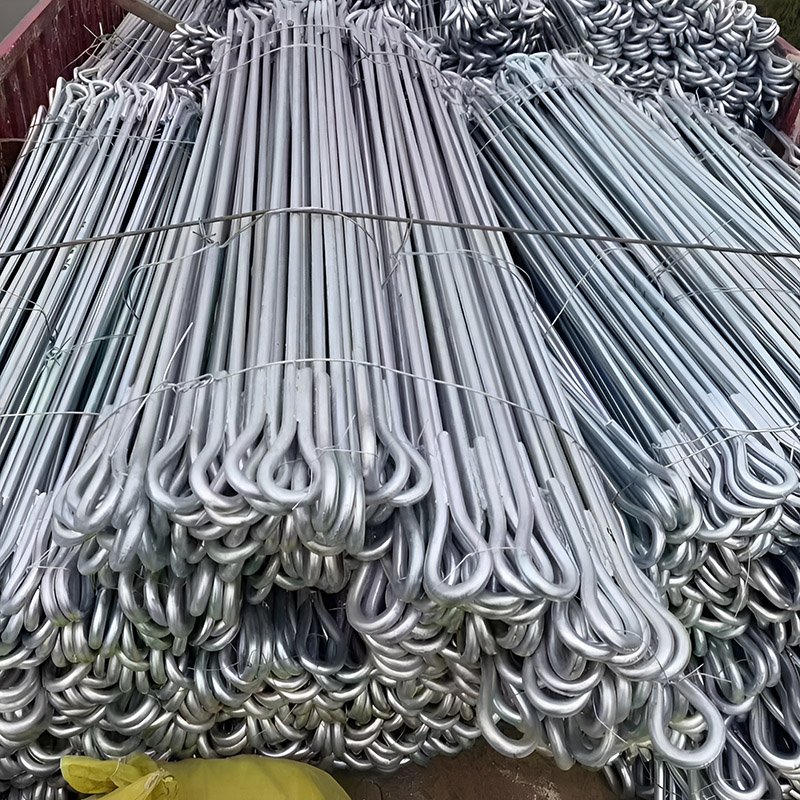
Stay Rod Assemblies for Utility Poles
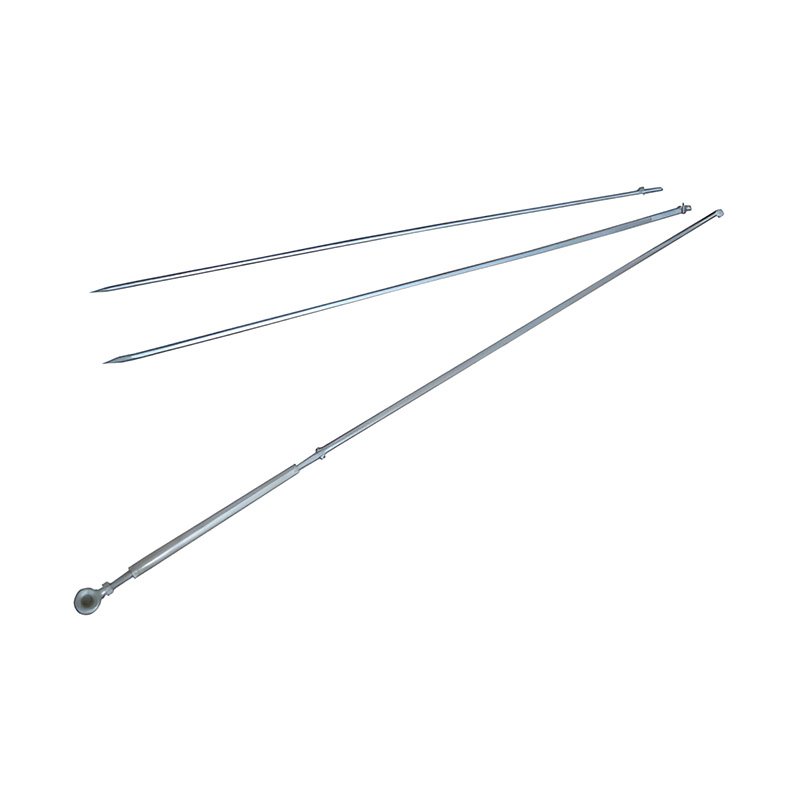
Stay rods are versatile metal rods that provide structural support in a wide range of applications. They are commonly used in construction, manufacturing, and agriculture. They are typically made of high-strength steel or aluminum, ensuring durability and resilience in demanding environments.
- High-strength carbon steel construction ensures superior structural reliability under extreme mechanical loads.
- Advanced hot-dip galvanizing process provides long-term corrosion resistance in harsh, acidic, or coastal soil environments.
- Versatile design options include bow type and tubular configurations to suit diverse soil profiles and tension requirements.
- Precision-engineered threads allow for rapid, efficient adjustment and secure installation on utility pole lines.
- Rigorous quality control and tensile strength testing ensure full compliance with international standards such as ASTM A153.
Description
Stay Rod solutions from EPCOM are engineered to support overhead utility systems with unmatched reliability. These critical heavy-duty components counteract lateral tension forces on utility poles, preventing tilting and structural collapse. Modern distribution networks face extreme environmental loads like wind, ice, and dynamic tension. Therefore, selecting high-quality structural support is essential. EPCOM designs and manufactures these robust line fittings to meet rigorous international mechanical standards.
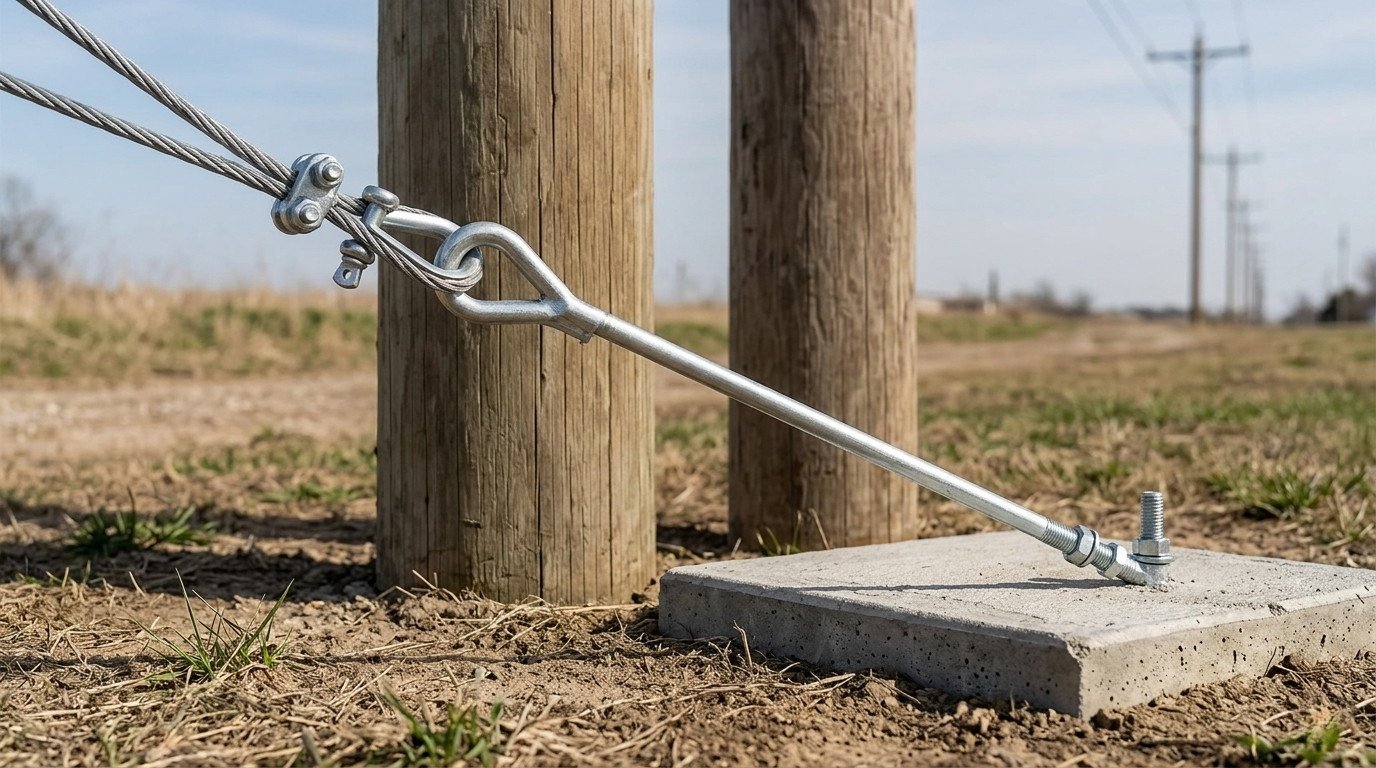
High-Performance Stay Rod Systems by EPCOM
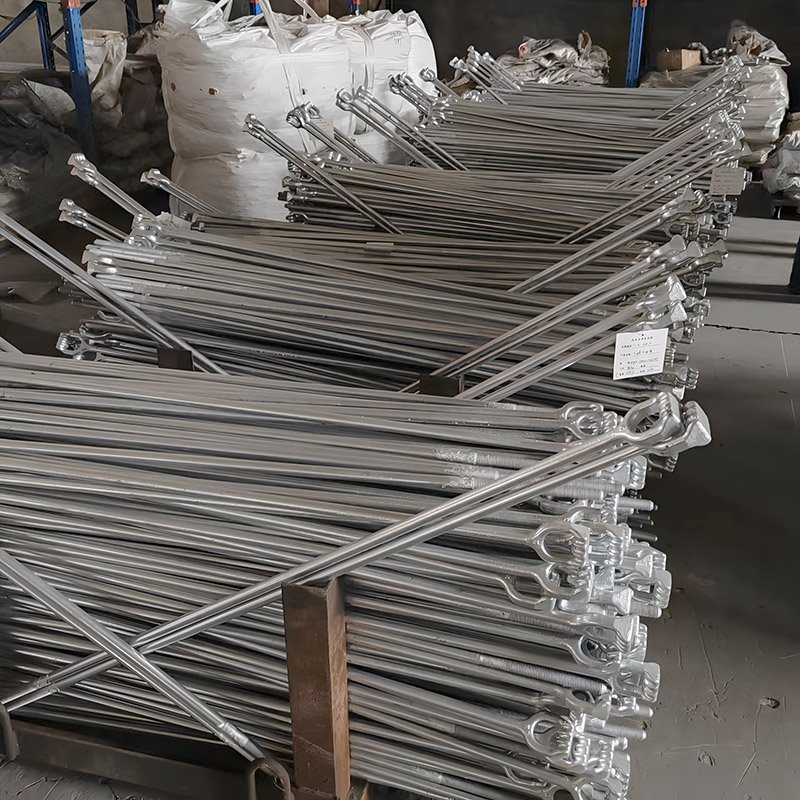
Power line construction demands robust anchoring, and a typical stay assembly relies on multiple connected components. The core tension member is the galvanized steel stay rod, which is buried at an angle into the ground. This metallic member transfers the massive mechanical forces from the high-voltage conductors safely down to the soil. At the lower underground end, it connects with a heavy-duty stay plate, which acts as a wide anchor foundation. This foundation distributes the vertical uplift load across a broad surface area, preventing structural creep.
At the upper above-ground end, the anchoring system terminates with a connection to the overhead stay wire. This tensioned line travels up to the pole, where it counteracts the mechanical stress of heavy line spans. Standard installations require specialized structural fittings to maintain electrical isolation. Using a high-quality porcelain suspension insulator along the stay wire path prevents accidental grounding currents. This protects utility personnel and keeps the distribution line safe.
Furthermore, secure conductor termination is key. Overhead lines depend on premium hardware like the PA1500 dead end clamp to anchor insulated cables firmly. When combined with reliable stay sets, these fittings form a balanced network. Our engineering department at EPCOM ensures every line fitting works in harmony to provide continuous grid uptime.
The Role of Stay Rod Assemblies in Modern Power Grids
Every high-performance electrical distribution grid relies on stable overhead support structures. Standard utility poles are subjected to continuous unbalanced stresses at termination points and sharp line curves. To offset these lateral loads, engineers design comprehensive anchoring systems. The stay rod assembly is the direct mechanical link that connects the overhead guy wires to the buried anchor. By transferring stress into stable deep-soil layers, it ensures pole verticality under maximum wind load conditions.
EPCOM provides structural support components designed for extreme environments. In heavy-duty coastal installations, the surrounding soil can be highly corrosive and humid. Consequently, structural integrity can degrade rapidly if substandard materials are used. EPCOM addresses this challenge by utilizing premium-grade carbon steel with robust anti-corrosive finishes. This structural design extends the utility grid’s operational lifespan, reducing maintenance overhead and preventing localized grid failures.
Key Components: Bow Type vs. Tubular Stay Rod Designs
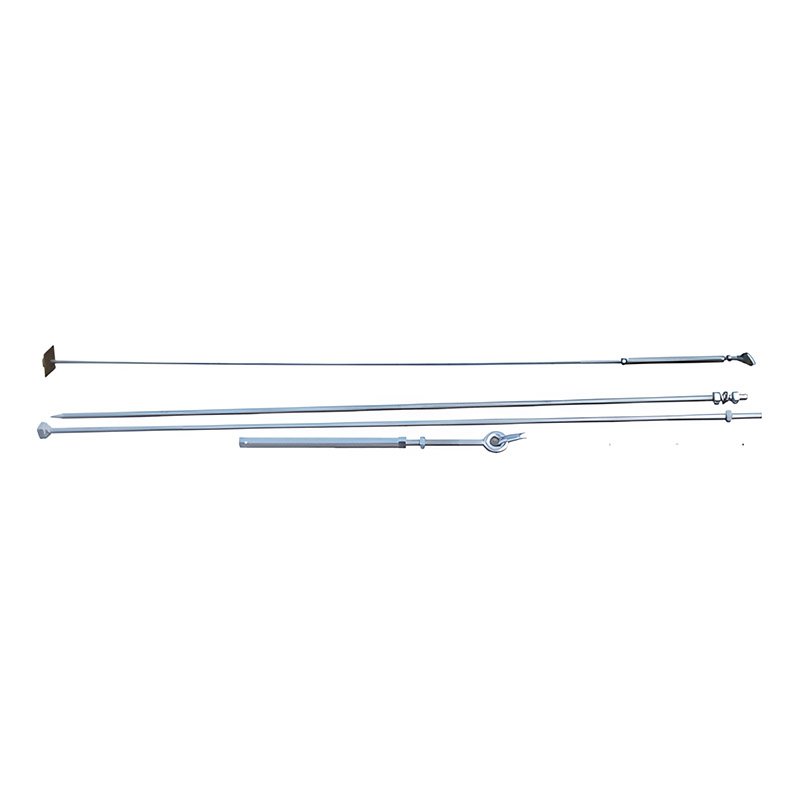
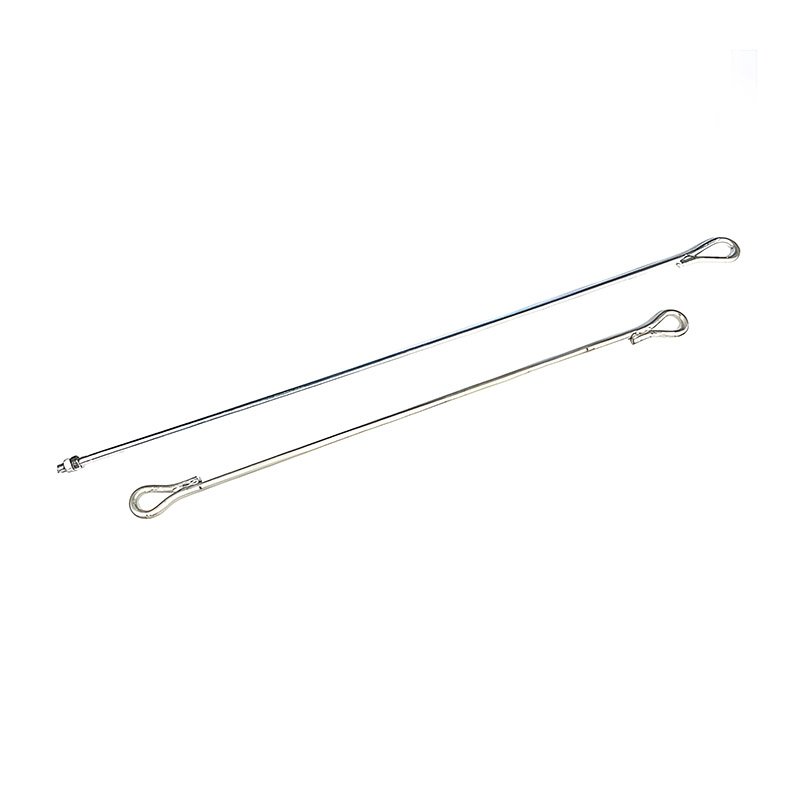
Utility projects specify different equipment classes depending on soil characteristics and structural tension requirements. Generally, two primary design patterns dominate overhead transmission construction. The first configuration is the classic bow type stay rod. This assembly features an integrated curved bow, a stay thimble, and an adjustment nut at the top. The bow design allows easy stay wire connection, offering solid mechanical utility. It is highly favored in medium-voltage and low-voltage distribution lines.
Alternatively, engineers often select the heavy-duty tubular stay rod for high-load applications. This configuration utilizes a high-strength hollow tube that provides enhanced bending resistance and structural rigidity. The tubular pattern is frequently deployed in deep sandy soils or extreme tension zones. Both structural styles rely on matching dimensions and high material standards. EPCOM manufactures both types to cater to diverse utility projects worldwide.
Standard Stay Rod Specifications and Technical Parameters
Engineering accuracy is vital when designing utility power lines. Every stay rod must conform to strict physical and mechanical metrics to prevent catastrophic line drops. To ensure compliance, EPCOM fabricates utility hardware under rigorous quality controls. The standard manufacturing process conforms to British Standard specifications like BS 16. This standard governs the physical dimensions, thread standards, and mechanical capabilities of line distribution accessories.
Corrosion Protection via Hot-Dip Galvanizing
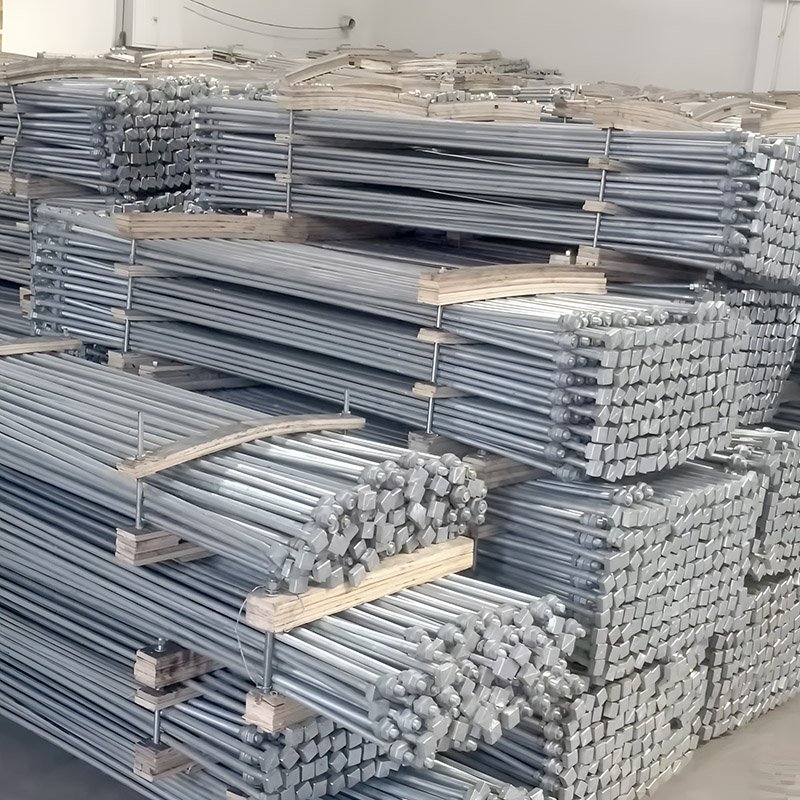
Buried utility steel must resist aggressive chemical reactions in underground soils. Soil moisture, acidity, and localized ground currents accelerate oxidation. EPCOM solves this structural threat by applying a thick zinc barrier to all steel components. Our hot-dip galvanizing process conforms to the global standard ASTM A153, ensuring a flawless protective seal. This premium finish guarantees a rust-free service life of more than two decades, even in acidic or coastal soil zones.
Essential Structural Anchoring Integration
A high-capacity line anchor is only as strong as its weakest component. To maximize safety, the mechanical strength of the buried stay rod must align perfectly with the surrounding structural hardware. For example, using mismatched anchor components can lead to localized stress concentrations. EPCOM works closely with electrical engineering firms to verify component compatibility. By matching anchor sizes to specific soil profiles, our technical teams ensure optimized structural performance under complex utility stress profiles.
High-Performance Stay Rod Specifications
To help project managers select the ideal hardware, we provide a structured reference of our standard configurations. The following physical parameters represent our most popular standard configurations. Customized sizes are available upon request to meet unique geological and mechanical design constraints.
| Rod Diameter (mm) | Overall Length (mm) | Thread Specification | Min. Tensile Strength (kN) | Galvanizing Standard | Zinc Coating Mass |
|---|---|---|---|---|---|
| 16 mm | 1800 mm | M16 Metric | 70 kN | ASTM A153 / BS 729 | ≥ 610 g/m² |
| 20 mm | 2440 mm | M20 Metric | 125 kN | ASTM A153 / BS 729 | ≥ 610 g/m² |
| 24 mm | 2440 mm | M24 Metric | 170 kN | ASTM A153 / BS 729 | ≥ 610 g/m² |
Installation Guidelines and Best Practices
Correct installation is crucial to the mechanical success of overhead utility networks. A poorly positioned anchor can result in immediate pole leaning or eventual structural collapse under high-stress weather events. First, the excavation of the anchor pit must reach the designated engineering depth. This depth is dictated by local soil cohesion and maximum calculated mechanical loads. Next, the stay rod is positioned at a precise 45-degree angle pointing toward the utility pole.
Once positioned, the plate is secured at the base of the excavation pit. Backfilling must be executed in compacted layers using suitable soil backfill material. Proper compaction prevents soil shifting when the stay assembly is placed under tension. Finally, the upper stay bow is connected to the stay wire using high-strength turnbuckles or automatic tension splices. Proper pre-tensioning ensures equal load distribution across the entire utility pole line array, securing long-term operational safety.
Furthermore, standard maintenance schedules should include periodic inspection of above-ground connections. High-voltage utility networks are dynamic systems that experience continuous structural expansion and contraction. Ensuring all turnbuckles are locked and tension remains uniform is essential. EPCOM provides detailed engineering support and on-site training materials for installation crews. This dedicated support guarantees that every anchoring system performs optimally throughout its multi-decade operational lifetime.
Rigorous Quality Testing and Manufacturing Standards
EPCOM is committed to delivering flawless electrical line accessories to global markets. Every production run undergoes rigorous physical and mechanical testing in our advanced laboratories. First, we perform high-accuracy tensile testing to confirm the yield strength and ultimate breaking capacity of each stay rod. This test ensures the structural steel can survive extreme wind loads without suffering permanent mechanical deformation. Secondly, we measure the zinc coating thickness using magnetic induction and gravimetric methods to guarantee compliance with the ASTM A153 standard.
Additionally, thread accuracy is verified using specialized go/no-go gauges. This prevents assembly issues in the field, allowing installation crews to secure adjustment nuts quickly and efficiently. We also conduct metallographic analysis to verify the steel’s internal microstructure, checking for potential defects or micro-cracks. Through these meticulous quality control steps, EPCOM ensures that every line fitting shipped to our clients meets the highest utility benchmarks. This extreme attention to detail is why power companies across the globe trust EPCOM for their critical grid infrastructure projects.