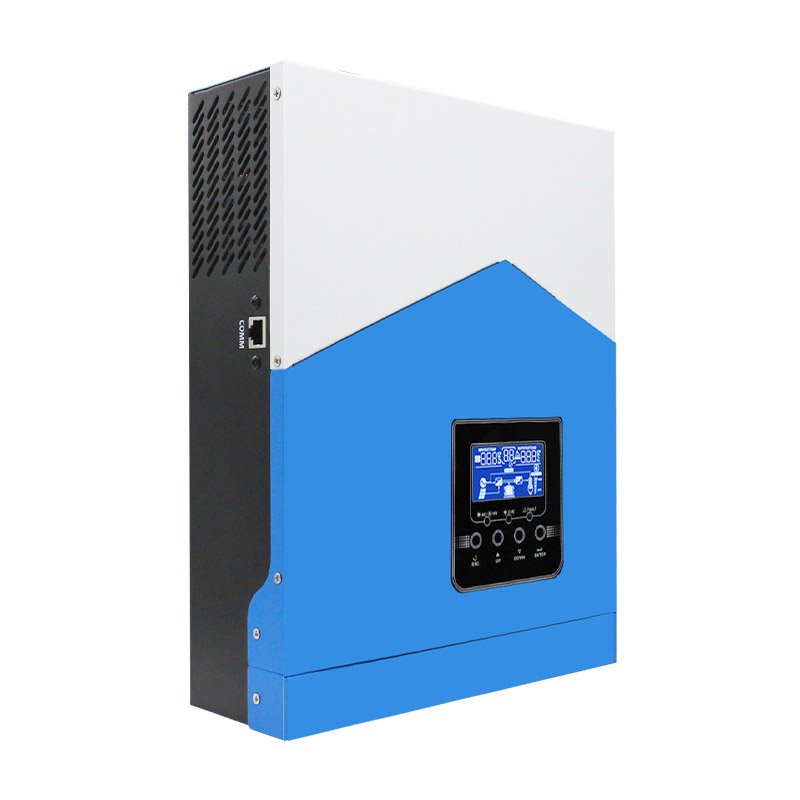
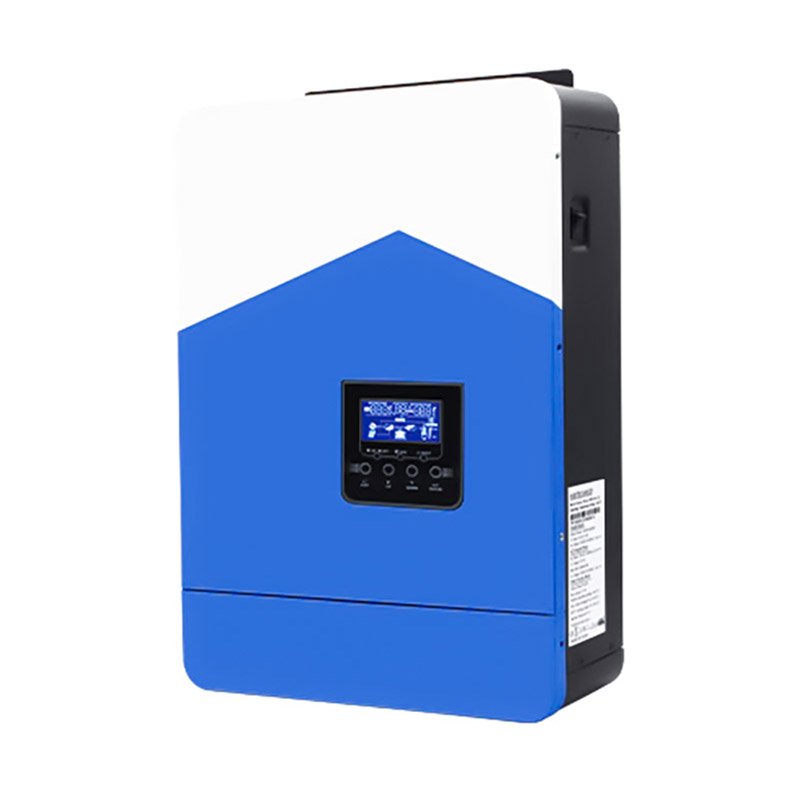
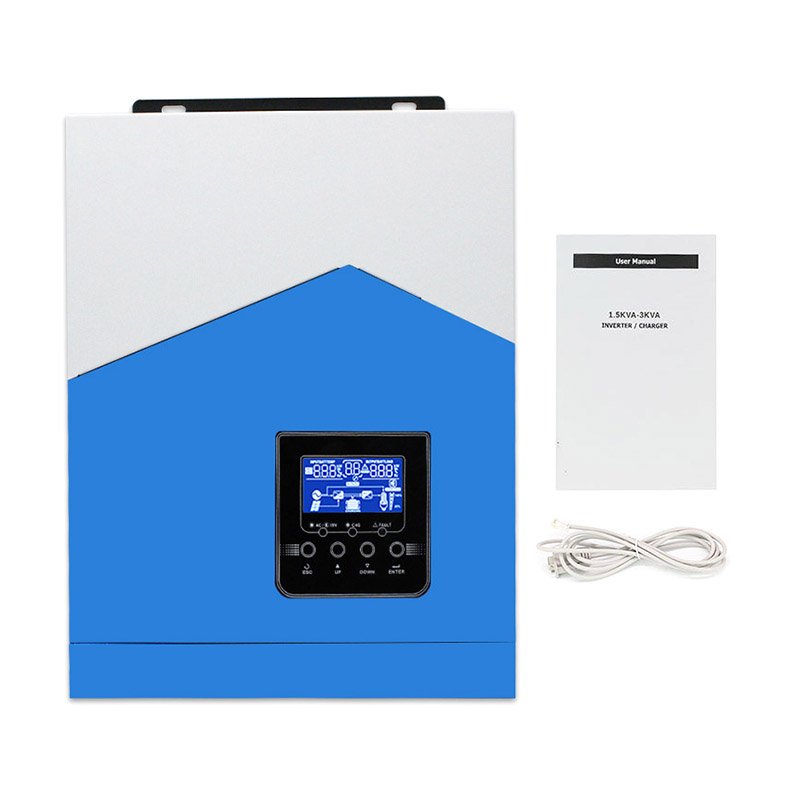
High-Efficiency Off-grid Inverter for Solar Systems
An off-grid inverter is a device that converts direct current (DC) electricity from solar panels or other sources into alternating current (AC) electricity that can be used to power your home or business. They are an essential part of any off-grid solar power system.
- High-efficiency Off-grid Inverter technology with over 93 percent conversion rates to minimize energy loss.
- Professional pure sine wave output ensures the safe operation of sensitive electronic equipment and medical devices.
- Intelligent multi-stage charging logic optimizes battery lifespan and stabilizes power distribution across the grid.
- Ultra-fast transfer times of less than 10 milliseconds provide seamless backup power during source transitions.
- Rugged chassis design and advanced thermal management allow for reliable performance in extreme environmental conditions.
Description
Off-grid Inverter technology serves as the foundational pillar for contemporary independent energy infrastructures, enabling homeowners and industrial operators to achieve complete power autonomy. EPCOM specializes in providing sophisticated power conversion solutions that are meticulously engineered to maximize energy harvesting efficiency in isolated or remote geographic regions. By converting raw direct current (DC) generated by various renewable energy sources into a stable, high-quality alternating current (AC), our precision-engineered equipment ensures a seamless and uninterrupted electricity supply for critical loads. Reliability remains our primary strategic focus throughout the entire engineering and manufacturing lifecycle, resulting in hardware that can sustain a diverse array of household appliances and heavy-duty industrial machinery without the risk of operational failures or harmonic interference.
Achieving true modern energy independence requires a holistic architectural approach rather than relying on a single isolated component. To construct a genuinely resilient and high-performing microgrid, professional installers and energy consultants often pair our conversion units with top-tier monocrystalline solar panels. This integrated combination guarantees peak performance metrics even during periods of low irradiance or unfavorable atmospheric conditions, such as cloud cover or heavy smog. Furthermore, the systematic integration of intelligent smart monitoring interfaces allows for comprehensive real-time data acquisition and historical trend analysis. As a direct result of this transparency, system operators can strategically manage their hourly consumption patterns, identify potential energy leaks, and optimize the overall return on investment for their renewable energy assets.
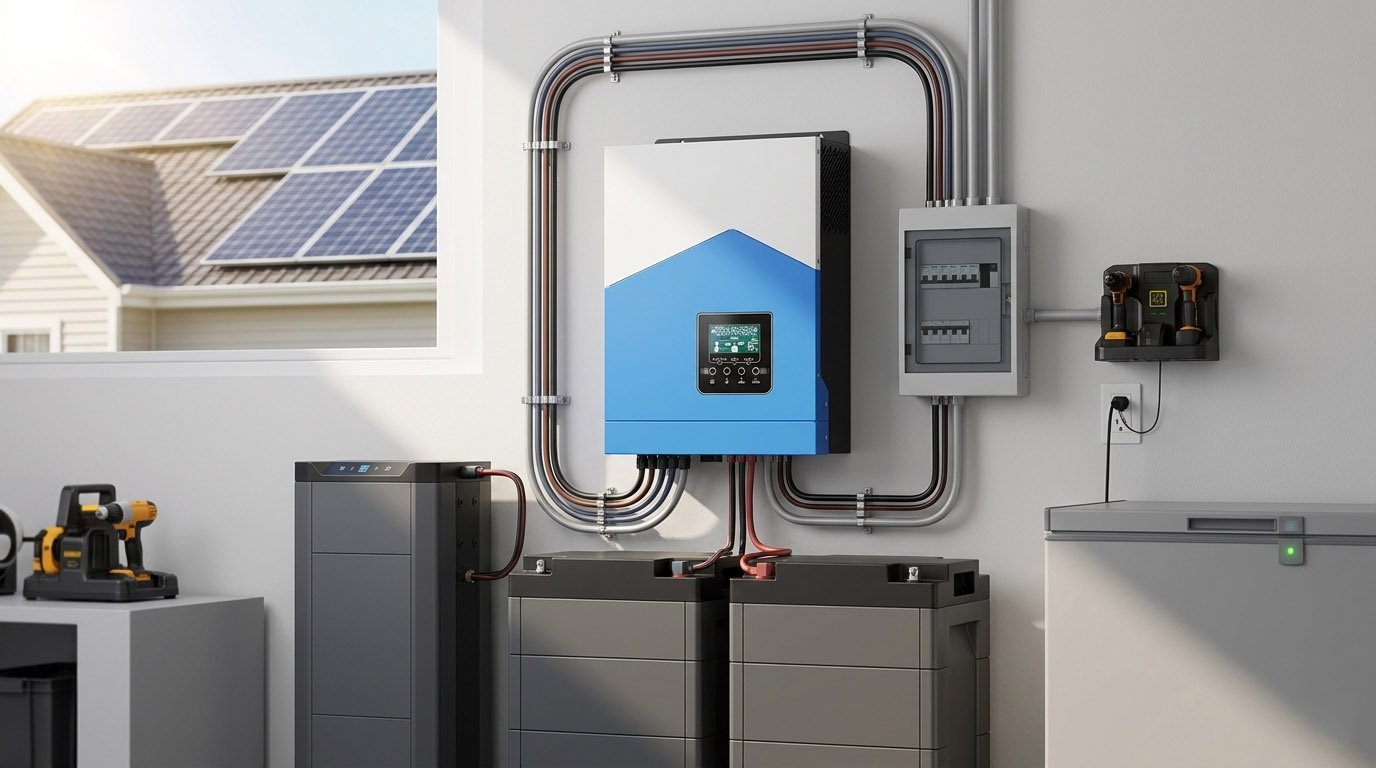
Core Advantages of an EPCOM Off-grid Inverter
Structural durability and operational longevity are the primary characteristics that distinguish our power solutions within the competitive global marketplace. Every Off-grid Inverter produced within EPCOM facilities undergoes a battery of rigorous stress tests designed to simulate decades of exposure to extreme environmental variables and mechanical vibrations. Whether the system is deployed in coastal regions facing high saline humidity or in arid deserts prone to significant diurnal temperature fluctuations, our hardware maintains a rock-solid, consistent power output. Moreover, the high-precision pure sine wave output architecture protects sensitive electronic circuitry from potential degradation or catastrophic failure, which is of paramount importance for the safe operation of medical life-support systems, sophisticated laboratory equipment, and high-end enterprise computing clusters.
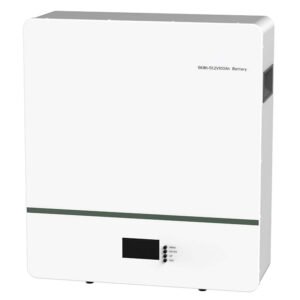
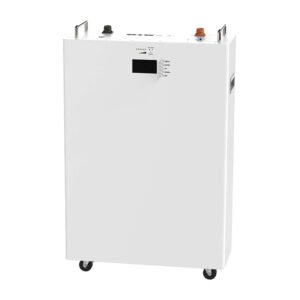
Thermal management and conversion efficiency represent additional cornerstones of our design philosophy, ensuring that your system remains cool and productive under heavy stress. Our advanced power modules achieve peak conversion rates that frequently exceed 93%, effectively minimizing parasitic energy waste during the complex transformation from chemical storage to usable electricity. In addition to high-efficiency operation, the integrated low self-consumption standby mode ensures that valuable stored energy is meticulously preserved for essential nighttime needs or emergency backup scenarios. To further enhance the total lifecycle of the energy system, we strongly recommend utilizing a high-capacity wall mounted battery for localized and optimized energy storage. This specific configuration stabilizes the voltage ripple across the entire local distribution network, preventing premature wear on connected electrical motors and heating elements.
Smart Charging Logic in the Off-grid Inverter
The sophisticated internal management software utilizes proprietary multi-stage charging algorithms to optimize the interaction between the power source and the storage medium. Specifically, the Off-grid Inverter dynamically adjusts the charging current and voltage setpoints based on the instantaneous state of charge and internal resistance of the battery bank. This intelligent feedback loop prevents common issues such as terminal overcharging or deep discharge cycles, thereby significantly extending the chemical lifespan of your expensive storage units. Transitioning between the primary renewable input, backup batteries, and external generator sources occurs in a timeframe of less than 10 milliseconds. Consequently, sensitive infrastructure such as desktop computers, Wi-Fi routers, and security monitoring systems will not experience reboots or data loss during a source transition.
For energy managers seeking to diversify their renewable resource inputs, our systems are designed with high-level peripheral compatibility in mind. Beyond standard solar arrays, many industrial clients choose to integrate vertical wind turbines to maintain a continuous power generation profile during nighttime hours or heavy storm conditions. This diversified hybrid energy approach creates a robust and redundant power profile that is less susceptible to seasonal changes in weather patterns. EPCOM continues to lead innovation in the specific field of renewable energy integration, ensuring that our global client base always has access to the latest advancements in power electronics and energy management software.
Comprehensive Technical Specifications
A detailed understanding of technical parameters is absolutely essential for electrical engineers and system designers when performing load calculations and safety sizing. The following table provides a comprehensive overview of the performance metrics and physical characteristics of our primary power conversion series. Please be aware that all technical data points were obtained through rigorous testing under controlled laboratory conditions to ensure maximum transparency and accuracy for our users.
| Operational Parameter | Performance Value / Limit |
|---|---|
| Continuous Output Power | 3000W / 5000W / 10000W Versions Available |
| Maximum Surge Capacity | 200% of Rated Load for 5 Seconds |
| AC Output Waveform Type | Pure Sine Wave (THD < 3%) |
| Nominal Battery Input | 24VDC / 48VDC (Self-Adaptive) |
| Voltage Regulation Range | 220/230/240VAC ± 5% (Programmable) |
| Peak Transformation Efficiency | Up to 93% Efficiency at Full Load |
| UPS Mode Transfer Delay | Minimum 10ms for IT Grade Protection |
| Environmental Tolerances | Operating: -10°C to 50°C; Humidity < 95% |
Installation Flexibility of the Off-grid Inverter
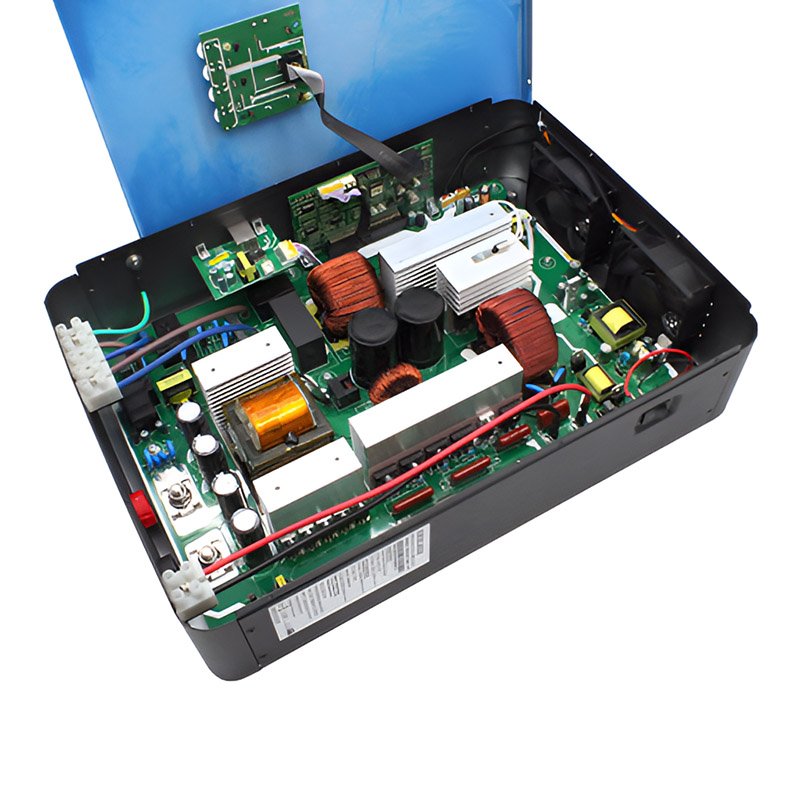
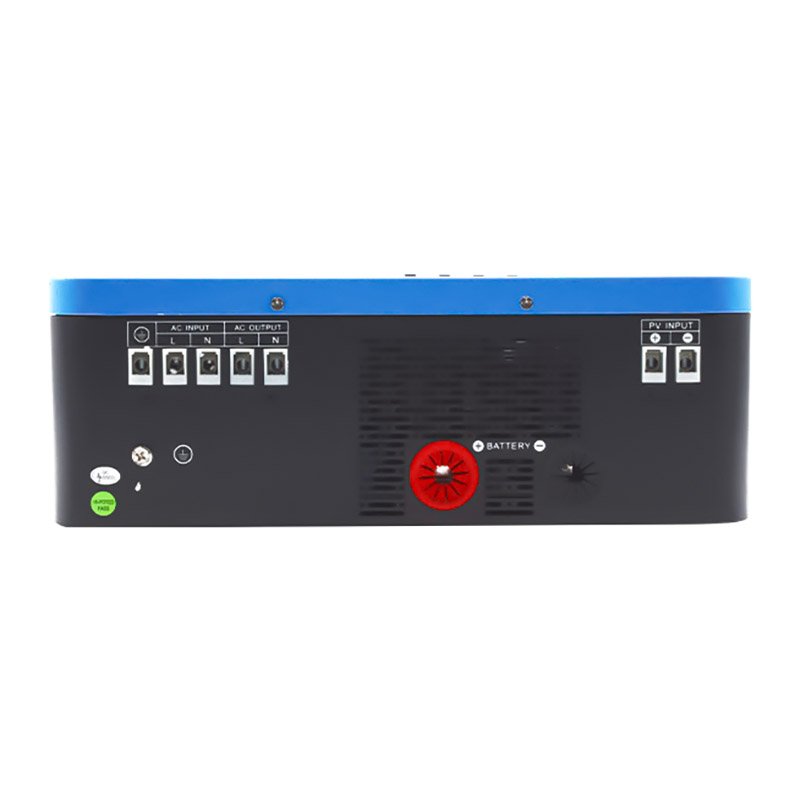
Simplified installation and rapid deployment remain at the forefront of the design goals set by the EPCOM engineering team. The compact, space-saving chassis design allows for convenient vertical mounting in utility rooms, garages, or even confined battery enclosures. High-resolution backlit LCD interfaces provide installers and end-users with immediate, intuitive feedback regarding input voltage, real-time load percentages, and current battery health. Furthermore, the modular design of the internal PCB components simplifies future maintenance tasks and allows for the easy replacement of cooling fans or individual protection fuses. Professional electricians often remark that our standardized wiring terminals and clearly labeled ports make the commissioning process both fast and error-free.
Prior to initiating the physical installation of the hardware, it is critical to ensure that all local electrical codes and safety protocols have been meticulously reviewed. Establishing a high-quality common grounding point is vital for ensuring long-term operational safety and preventing static build-up within the system enclosure. Adhering to rigorous international standards, such as those established by the International Electrotechnical Commission, is highly recommended for all professional installations. EPCOM supports every purchase with comprehensive technical manuals and video walkthroughs that guide users through the intricate steps of DC-to-AC system integration, from initial mounting to final configuration of the charging curves.
Optimizing the Independent Power Network
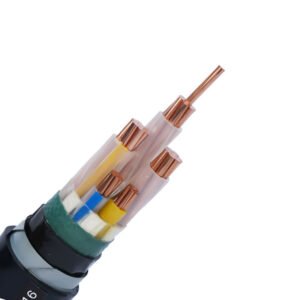
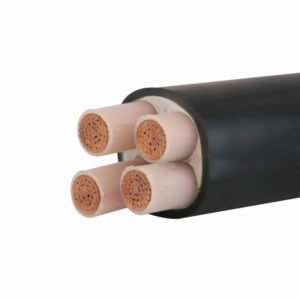
An Off-grid Inverter functions effectively as the central nervous system of your entire power network, coordinating the flow of energy between generation, storage, and consumption. However, the overall performance of this “brain” relies heavily on the quality and sizing of the peripheral electrical components. By selecting industrial-grade DC disconnects, appropriately sized copper cables, and high-quality circuit breakers, you can significantly reduce resistive heat losses and prevent voltage drops. In the long term, this meticulous attention to electrical engineering details saves considerable costs related to equipment fatigue and wasted kilowatt-hours. EPCOM offers a curated selection of energy accessories specifically designed to match the electrical characteristics of our primary power units.
Professional System Design Advice: Always perform a thorough audit of your concurrent peak load requirements before finalizing your Off-grid Inverter capacity selection. It is essential to account for the high inductive startup currents associated with air conditioning compressors, water pumps, and heavy refrigerators to prevent temporary system tripping or long-term component degradation.
Communication protocols play an increasingly vital role in the management of modern smart microgrids and off-grid facilities. Our conversion units natively support industry-standard RS485 and CAN communication interfaces, enabling seamless digital handshakes between the inverter and the battery management system (BMS) of lithium-based storage. As the global energy landscape evolves toward more digitized solutions, EPCOM remains dedicated to providing regular firmware enhancements that improve system predictive intelligence and remote troubleshooting capabilities. Ultimately, our mission is to provide a worry-free, sustainable energy experience that empowers our global partners to live and work anywhere in the world without reliance on an unstable central utility grid.
Global Quality Assurance Standards
We maintain an unwavering commitment to the quality and performance of every single power unit that leaves our distribution centers. EPCOM provides a comprehensive multi-year warranty program designed to protect your capital investment and ensure peace of mind during years of operation. Our dedicated global technical support team is standing by to assist with any complex integration questions, system sizing inquiries, or troubleshooting needs that may arise during the system’s lifespan. We believe that true customer loyalty is built through consistent product performance and proactive, expert-level after-sales service. Invest in a greener and more autonomous future today with the reliable energy solutions you can trust from the industry leaders.