Horizontal Wind Turbine: Efficient Sustainable Power
Horizontal Wind Turbine technology represents the pinnacle of modern renewable energy engineering, standing as a critical solution in the global shift towards sustainable power generation. This article, presented by EPCOM, delves into the technical intricacies, efficiency metrics, and comprehensive applications of these powerful machines, which are fundamental to both utility-scale wind farms and decentralized energy systems. Moreover, we will explore the essential auxiliary components that ensure a Horizontal Axis Wind Turbine (HAWT) operates at peak performance, contributing reliably to the grid or directly to local consumption.
The Engineering of Horizontal Axis Wind Turbines (HAWT)
The ubiquity of the classic three-blade propeller design is not accidental; it is the result of decades of optimization in aerodynamics and structural integrity. A typical HAWT, which is a key variation of the Horizontal Wind Turbine, is engineered to capture the maximum kinetic energy from the wind and convert it into electricity with minimal loss. This sophisticated process involves a complex interaction of mechanical, electrical, and control systems, all working in harmony to deliver consistent power. Therefore, understanding the design principles is crucial for anyone involved in wind power.
Key Components of a HAWT System
Every large-scale or small-scale wind turbine features several crucial components. The rotor, consisting of the blades and the hub, is the primary mechanism for wind capture. The nacelle houses the gearbox, generator, and control systems. The tower provides the structural support and necessary height to access stronger, less turbulent wind resources. Furthermore, the foundation anchors the entire system, ensuring stability against massive rotational and wind-induced forces. Ultimately, the quality and integration of these components dictate the overall reliability and lifespan of the installation. EPCOM ensures that all its systems incorporate high-quality, durable materials designed for extreme conditions.
The blades, often constructed from fiberglass-reinforced polymers or carbon fiber, are designed with an airfoil cross-section, similar to an airplane wing. This shape generates lift, which is the force that turns the rotor. The precision of the manufacturing process directly impacts the aerodynamic performance and, consequently, the energy yield. Conversely, any slight imbalance or imperfection can introduce vibrations and premature wear on the drivetrain.
Aerodynamics and Rotor Blade Design
The aerodynamic design of a Horizontal Wind Turbine rotor is governed by advanced fluid dynamics. Blade twist and taper are strategically incorporated to ensure optimal aerodynamic efficiency across the entire span, from the root to the tip. This optimization ensures that the turbine starts rotating at low wind speeds (cut-in speed) and continues to produce power efficiently up to the maximum operational limit (rated speed). Consequently, proper blade design significantly increases the annual energy production (AEP). Moreover, tip speed ratio (TSR), the ratio of the blade tip speed to the wind speed, is a critical design parameter that engineers must balance to maximize power extraction while minimizing noise and structural stress.
Yaw Systems and Pitch Control in the Horizontal Wind Turbine
Unlike many Vertical Axis Wind Turbines (VAWTs), the HAWT requires a yaw mechanism to orient the rotor directly into the wind, thereby maximizing energy capture. The yaw system is often controlled by anemometers and wind vanes on the nacelle, which feed data to the turbine’s control system. When the wind direction shifts, the yaw drive slowly rotates the entire nacelle atop the tower. In addition, the pitch control system allows the blades to be rotated, or “pitched,” along their long axis. This mechanism serves two primary purposes: regulating power output in high winds to prevent mechanical overload and feathering the blades (turning them parallel to the wind) to shut the turbine down safely during extreme weather. These systems are paramount to the longevity and effective management of the Horizontal Wind Turbine.
Performance and Efficiency Factors of the Horizontal Wind Turbine
Evaluating the efficiency of a wind power system goes beyond merely looking at its capacity. It requires a deep understanding of the atmospheric physics and the mechanical limits imposed on any turbine design. The fundamental metric for performance is the capacity factor—the ratio of the actual energy generated over a period to the maximum possible energy it could generate. Therefore, high-quality components and meticulous site selection are indispensable for achieving a favorable capacity factor. EPCOM utilizes advanced modeling to predict and optimize the output of every installation.
Betz’s Law and Theoretical Limits
A theoretical limit, known as Betz’s Law, states that a wind turbine can extract a maximum of 59.3% of the kinetic energy from the wind passing through its rotor area. This limit is due to the physical requirement that the air must continue to move after passing the turbine; if the air stopped completely, it would block the flow for the air behind it, significantly reducing efficiency. Consequently, a well-designed Horizontal Wind Turbine typically operates at around 75% to 85% of this theoretical maximum, translating to a power coefficient (Cp) of around 0.45 to 0.5. Consequently, any attempt to exceed this physical limit by design is fundamentally impossible.
The actual performance curve of a turbine is represented by a power curve, which plots the power output against the wind speed. This curve is crucial for investors and operators, as it quantifies the power generation capability across various wind regimes. It demonstrates that power output scales with the cube of the wind speed. For instance, doubling the wind speed results in eight times the power. Therefore, small increases in average wind speed can lead to massive gains in annual energy production.
The Impact of Rotor Diameter on Horizontal Wind Turbine Output
The size of the rotor diameter is arguably the single most important factor determining the energy capture of a Horizontal Wind Turbine. The captured wind energy is directly proportional to the rotor swept area, which is calculated using the formula for the area of a circle ($\pi r^2$). Therefore, doubling the blade length quadruples the swept area and, theoretically, quadruples the available power. This principle drives the continuous trend toward larger and larger turbines in the utility-scale sector. In contrast, smaller HAWTs prioritize compact design and ease of installation for residential or commercial use. Furthermore, the tip speed must be carefully managed in larger designs to prevent excessive noise and material fatigue.
Understanding Wind Shear and Turbulence
Wind shear is the phenomenon where wind speed increases with height above the ground. Taller towers allow Horizontal Wind Turbines to harness higher wind speeds, which, due to the cubic relationship, drastically increases power output. Turbulence, on the other hand, is irregular wind motion that can introduce structural loads and reduce aerodynamic efficiency. Buildings, trees, and complex terrain all contribute to turbulence. Therefore, optimal site assessment, including the use of advanced remote sensing technologies, is vital to minimize turbulence and maximize the benefits of wind shear. The quality of the meteorological data gathered during this phase directly impacts the economic viability of the entire project.
Visualizing HWT Efficiency Factors
Scaling the Horizontal Wind Turbine: From Residential to Utility
The versatility of the Horizontal Wind Turbine architecture allows it to be scaled effectively across a vast spectrum of power requirements, making it suitable for diverse applications. Whether providing supplementary power to an off-grid home or feeding hundreds of megawatts into a national grid, the fundamental principles remain the same. The differentiation lies in structural material, control complexity, and integration requirements. This scalability is a key reason for the global dominance of HAWT designs in the wind energy market.
Utility-Scale Wind Farms
Utility-scale projects involve turbines typically rated above 1 megawatt (MW), often reaching 5 to 15 MW per unit today. These massive machines are designed for maximum lifespan and minimal downtime. They operate with highly sophisticated monitoring and control systems, ensuring precise yaw and pitch adjustments to maintain optimal efficiency and structural integrity. Furthermore, these turbines are connected to high-voltage transmission lines, and their output must adhere strictly to utility grid codes. The economic viability of these projects depends on long-term power purchase agreements (PPAs) and favorable wind resources, typically in remote or offshore locations.
The sheer size of these installations requires specialized infrastructure and logistics. Transporting the enormous blades and tower sections presents a significant engineering challenge, necessitating specialized carriers and route planning. However, the high capacity factor achievable at these large scales makes the upfront investment highly rewarding over the turbine’s 20- to 30-year operational life.
Small Horizontal Wind Turbine for Residential Power
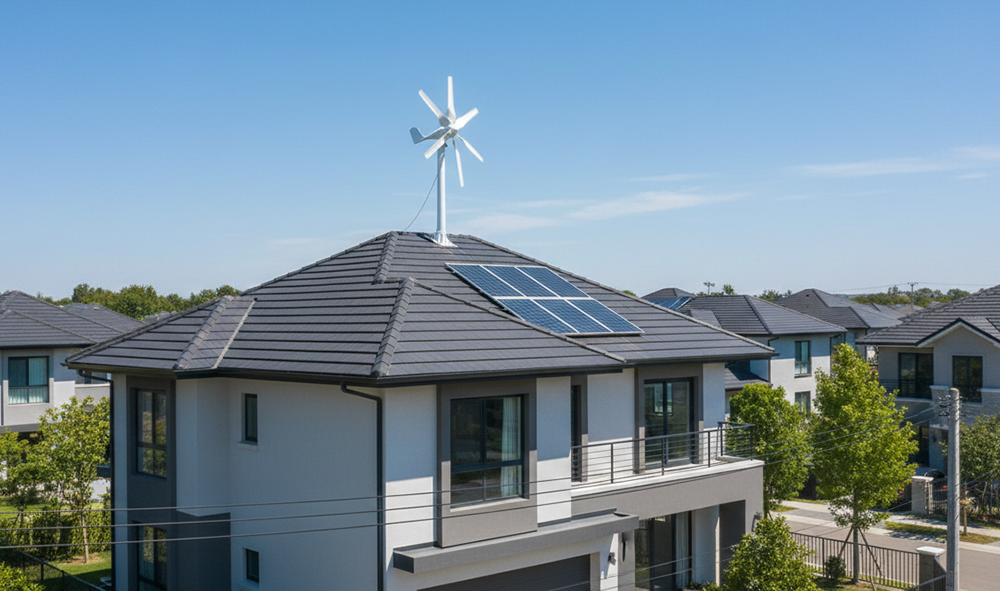
For homeowners, small businesses, and remote agricultural applications, the residential Horizontal Wind Turbine offers a compelling path to energy independence. These units typically range from a few hundred watts up to 20 kilowatts (kW). They are easier to install, require less heavy equipment, and are designed to be relatively low-maintenance. Their primary function is often to offset high utility bills or provide power where grid access is unreliable or non-existent.
Small HAWTs are frequently paired with solar photovoltaic (PV) systems in hybrid setups, providing a continuous power supply that mitigates the intermittency of either resource alone. For example, wind often peaks during winter months and at night, complementing the summer daytime peak of solar production. This synergistic approach maximizes the reliability of the decentralized energy system.
Offshore vs. Onshore Installations
Onshore wind farms are easier to build and maintain, but they face challenges related to land use, visual impact, and noise. Offshore installations, conversely, benefit from stronger, more consistent wind speeds and minimal turbulence, leading to significantly higher capacity factors. However, the costs associated with deep-sea foundations, specialized marine construction, and difficult maintenance procedures are substantially higher. As turbine sizes increase, the benefits of stronger offshore winds often outweigh the construction premiums, solidifying offshore wind as a major future component of the global energy mix.
Optimizing Energy Capture with the Right Horizontal Wind Turbine Accessories
A standalone Horizontal Wind Turbine is only half a solution. To effectively convert the mechanical energy into usable, stable electrical power that can be consumed locally or injected into the grid, a suite of advanced auxiliary components is necessary. These components manage power quality, storage, and synchronization, transforming raw wind power into a valuable commodity. EPCOM specializes in providing fully integrated solutions that match high-performance turbines with reliable electronics.
The Essential Connection: Integrating the On-Grid Inverter
The electricity generated by the turbine’s generator is typically alternating current (AC) but often requires conversion and conditioning. For grid-tied systems, the role of the On-Grid Inverter is paramount. The inverter performs several critical functions. Firstly, it converts the variable frequency and voltage output of the generator into stable AC power. Secondly, and most importantly for a grid-tied system, it must precisely synchronize the output voltage and frequency with the local utility grid. Failure to do so would result in system shutdown or damage. Modern inverters also include Maximum Power Point Tracking (MPPT) algorithms optimized for the non-linear output of the wind turbine, ensuring that maximum power is extracted at every rotational speed. Furthermore, they provide critical safety features, such as anti-islanding protection, which prevents the inverter from feeding power into a de-energized grid line during an outage.
EPCOM offers a range of high-efficiency inverters designed to handle the dynamic and sometimes volatile output of a wind generator. The integration of a reliable inverter is non-negotiable for maximizing the return on investment from a Horizontal Wind Turbine installation.
Storage Solutions: The Critical Role of Batteries in HWT Systems
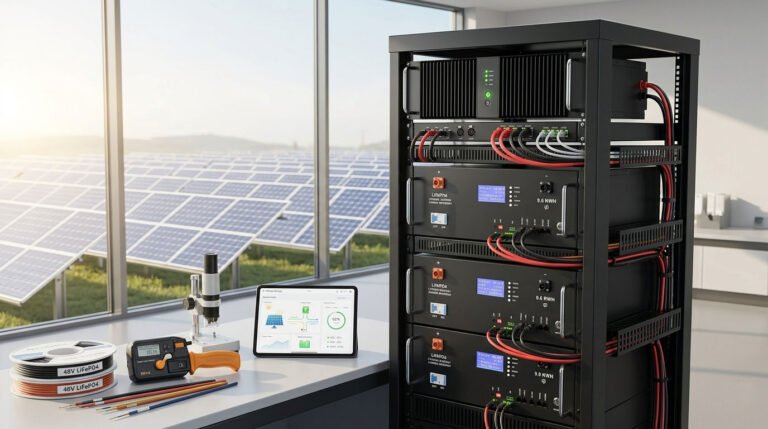
Wind, by its nature, is intermittent. Therefore, storing excess energy generated during peak wind periods is crucial for ensuring continuous power supply, particularly in off-grid or critical backup applications. The Batteries act as a buffer, smoothing out the power delivery curve and providing resilience against calm periods. Lithium-ion technology currently dominates the market due to its high energy density, long cycle life, and excellent efficiency. However, deep-cycle lead-acid batteries remain a viable, cost-effective option for many smaller-scale systems.
The battery bank size must be carefully calculated based on the turbine’s expected output, the load requirements, and the desired autonomy (days of backup power). A sophisticated charge controller is necessary to manage the flow of power from the turbine to the battery bank, preventing overcharging and deep discharge, which can drastically reduce battery lifespan. For a decentralized Horizontal Wind Turbine setup, reliable battery storage is what guarantees true energy security.
Hybrid Systems with Polycrystalline Solar Panels
The synergy between wind and solar energy is undeniable. By combining a Horizontal Wind Turbine with Polycrystalline Solar Panels, system operators can achieve a far more stable and reliable power profile. The complementary nature of the two resources—solar peaking during the day and wind often increasing at night and in winter—smoothes the overall power generation, reducing the reliance on storage or grid import.
Polycrystalline panels offer a cost-effective solution for large-area solar coverage. Integrating them into a shared DC bus with a wind charge controller requires a multi-input hybrid inverter or controller designed specifically to manage power flow from multiple sources. This hybrid approach, championed by EPCOM, is especially effective in temperate and northern latitudes where wind resources are abundant and solar generation is intermittent.
Comparison of Horizontal Wind Turbine Types
| Characteristic | Utility-Scale (MW-class) | Residential Small-Scale (kW-class) |
|---|---|---|
| Rotor Diameter (Typical) | 50m to over 150m | 1m to 10m |
| Target Market | Governments, Large Utilities, IPPs | Homeowners, Farms, Small Businesses |
| Technology Complexity | High (Active Pitch/Yaw, Complex Grid Sync) | Low to Medium (Passive or Simple Yaw) |
| Power Output (Estimated) | 2,000 to 15,000 kW | 0.5 to 20 kW |
| Integration Requirement | Mandatory Grid Synchronization | Off-Grid Battery or Grid-Tie Inverter |
Installation and Long-Term Maintenance of a Horizontal Wind Turbine
Successful wind energy project implementation hinges on rigorous planning and adherence to strict safety and maintenance protocols. The initial installation phase requires detailed site analysis, while the operational phase demands consistent preventative care to ensure the machine meets its projected lifespan. EPCOM follows a comprehensive, multi-stage process for every Horizontal Wind Turbine deployment, irrespective of size.
Site Assessment and Permitting
Before any construction begins, an extensive wind resource assessment is performed, often utilizing meteorological masts or remote sensing devices like LiDAR or SODAR. This data confirms the average wind speed and turbulence profile, which are crucial for energy yield calculation. Furthermore, the permitting process involves environmental impact studies, especially regarding noise pollution and wildlife interaction (e.g., bats and birds). Environmental compliance and public engagement are mandatory steps, ensuring the project aligns with local regulations and community expectations. For small-scale systems, local zoning and height restrictions often dictate the installation viability.
Soil mechanics testing is also vital to design the appropriate foundation, which must withstand enormous static and dynamic loads. A poorly designed foundation is a major risk factor for the structural integrity of the entire tower and turbine assembly.
Comprehensive Horizontal Wind Turbine Maintenance Schedules
Preventative maintenance is far more cost-effective than reactive repair. A typical large Horizontal Wind Turbine follows a rigorous inspection schedule, including quarterly visual checks and annual major overhauls. Key areas of focus include the gearbox oil quality and level, blade surface inspection for leading-edge erosion, and the condition of the yaw and pitch bearings. The mechanical stress on the gearbox is immense, making oil analysis a critical tool for detecting early signs of component wear. Early detection of pitting or scoring on gear teeth can prevent catastrophic failure, saving millions in replacement costs.
Furthermore, lightning protection systems must be regularly tested, as turbines, being the tallest structures in a region, are highly susceptible to lightning strikes. Specialized service teams, often utilizing drone technology for high-altitude visual checks, are essential for ensuring every part of the turbine remains in optimal condition.
Grid Interconnection and Safety Standards
Connecting a wind farm to the utility grid requires adherence to complex standards, including voltage and reactive power control. This ensures grid stability and reliability. During grid faults, the turbine’s inverter must perform “ride-through” capabilities—remaining connected to the grid for a specified duration to help stabilize the system. Moreover, safety standards, such as those governed by Occupational Safety and Health Administration (OSHA) guidelines, are strictly enforced during construction and maintenance, given the inherent risks of working at extreme heights. This includes comprehensive training for all personnel and the mandatory use of appropriate safety harnesses and equipment.
The Economic Case for the Horizontal Wind Turbine
The economic viability of wind power has dramatically improved over the last decade, driven by technological advancement and mass production. The Levelized Cost of Electricity (LCOE) for wind, which calculates the total cost of building and operating a power plant over its lifespan divided by the total energy output, has fallen below that of many fossil fuel sources in numerous regions globally. This makes the **Horizontal Wind Turbine** not just an environmental imperative but a competitive, commercial choice.
Financial Incentives and Investment Drivers
Government incentives, such as Production Tax Credits (PTCs) and feed-in tariffs, have played a historical role in accelerating wind power adoption. However, today, many wind projects proceed without major subsidies, driven instead by corporate power purchase agreements (CPPAs). Large corporations are increasingly signing long-term contracts to buy power directly from wind farms to meet their sustainability goals and hedge against volatile energy prices. This stable demand creates a robust financial environment for investment in new **Horizontal Wind Turbine** capacity.
The Global Market for the Horizontal Wind Turbine
The global market for **Horizontal Wind Turbine** installations continues to show vigorous growth, particularly in Asia, Europe, and North America. Technological advancements in blade materials and digital twin modeling allow manufacturers to push the boundaries of size and efficiency. This ongoing innovation ensures that wind power remains one of the fastest-growing sectors in the energy transition. Future growth will be increasingly concentrated in offshore areas and regions with strong, consistent wind resources.
The Future of Horizontal Wind Turbine Technology
Innovation in the wind energy sector is far from stagnant. Ongoing research focuses on improving aerodynamic efficiency, reducing structural costs, and enhancing grid integration capabilities. These advancements will further solidify the Horizontal Wind Turbine’s position as a cornerstone of the future power system.
Innovations in Materials and Design
New composite materials are being developed to create lighter, stronger, and more flexible blades, enabling larger rotor diameters without disproportionately increasing the tower and drivetrain stress. Segmented blades that can be assembled on-site are addressing the logistical challenges of transporting massive components. Furthermore, advanced coatings are being applied to blade surfaces to mitigate leading-edge erosion, which is a major factor in efficiency loss over time. The development of direct-drive generators, which eliminate the heavy and complex gearbox, also represents a major leap forward in reducing maintenance costs and improving reliability in the **Horizontal Wind Turbine**.
Smart Grid Integration for the Horizontal Wind Turbine
As wind energy penetration increases, the need for intelligent integration becomes critical. Future Horizontal Wind Turbine farms will be key participants in the smart grid, utilizing advanced forecasting and communication technologies. They will be capable of modulating their output in real-time, providing ancillary services like frequency and voltage regulation, and responding instantly to grid demands. This transition from passive power producers to active grid managers is essential for maintaining the stability of a renewable-heavy electrical network. Intelligent grid technologies and forecasting are the next frontier for optimizing the entire wind energy value chain.
Another exciting avenue is the deployment of floating offshore wind turbines. This technology unlocks wind resources in deep-water areas previously inaccessible to fixed-bottom foundations, potentially doubling the world’s accessible offshore wind capacity. While still costly, rapid innovation is bringing floating platforms closer to commercial viability.
Conclusion: Partnering with EPCOM for Wind Energy Solutions
The Horizontal Wind Turbine is a mature, high-efficiency technology indispensable to the global energy transition. Its capacity for scale, combined with ongoing innovation in materials, design, and intelligent grid integration, ensures its long-term viability. From the complex yaw and pitch systems to the critical role played by the On-Grid Inverter and essential Batteries, every component must be of the highest quality.
EPCOM is committed to providing comprehensive, integrated wind and solar power solutions. We offer top-tier equipment, including high-performance Polycrystalline Solar Panels and reliable Horizontal Wind Turbine systems, backed by the expertise needed to design and install resilient, high-yield energy projects. Contact EPCOM today to discuss how we can help you harness the power of the wind.