NXJL Anchoring Clamp: Reliable LV ABC Solutions
The NXJL Anchoring Clamp represents a critical advancement in the reliable deployment of Low Voltage Aerial Bundled Cable (LV ABC) networks worldwide. This comprehensive analysis dives into the fundamental engineering, installation protocols, and systemic advantages of utilizing the NXJL series. In the domain of modern electrical distribution, selecting the correct anchoring mechanism is non-negotiable for system longevity and safety. Consequently, utility providers and installation teams increasingly turn to high-performance clamps like the NXJL due to their proven durability and ease of installation. Furthermore, we will explore how EPCOM integrates this core component into a wider ecosystem of robust connectivity solutions. This detailed exploration is essential for engineers, procurement specialists, and field technicians aiming to optimize their LV network infrastructure against harsh environmental and mechanical stresses.
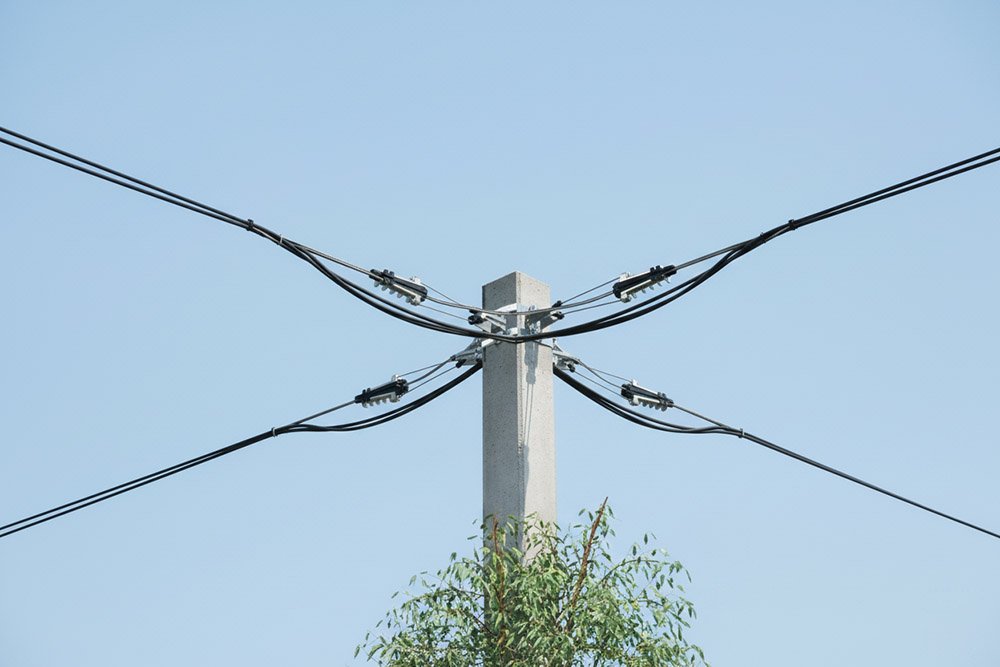
The Core Mechanics of the NXJL Anchoring Clamp
Understanding the mechanical integrity of the anchoring mechanism is paramount to maintaining network service quality. The NXJL Anchoring Clamp is specifically engineered to handle the high tensile loads associated with long span lengths and harsh weather conditions, while simultaneously protecting the delicate insulation layer of the ABC cable. However, not all anchoring solutions offer this crucial balance of strength and protection.
Design Features of the NXJL Anchoring Clamp
The design of the **NXJL Anchoring Clamp** is characterized by several innovative features. Primarily, it uses a self-adjusting wedge mechanism. This allows the clamp to instantly grip the neutral messenger wire of the ABC bundle when tension is applied, eliminating the need for complex, manual adjustments. Moreover, the clamp body is typically constructed from high-strength, weather-resistant polymer compounds or aluminum alloy, ensuring exceptional resistance to UV exposure, corrosion, and extreme temperatures.
In addition, the clamp incorporates a flexible bail or bracket for attachment to poles, walls, or cross-arms. This component must be robust enough to handle the entire line tension. For instance, the flexible loop often features a marine-grade stainless steel wire. Consequently, this choice of material significantly enhances the lifespan of the connection point, which is frequently the most stressed part of the entire installation. This meticulous material selection ensures that the system maintains its rated breaking strength (RBS) for decades, even in coastal or industrial environments.
Material Science and Longevity
The material composition is key to the long-term reliability of any overhead line accessory. EPCOM strictly specifies engineering-grade polymers for the body of the tension anchor, often reinforced with fiberglass for superior mechanical performance. This composite approach provides excellent dielectric strength and minimizes thermal expansion, thereby maintaining consistent grip force across wide temperature swings. Therefore, choosing a high-quality NXJL product directly translates into reduced maintenance cycles and lower total cost of ownership for the network operator.
The use of hot-dip galvanized steel or stainless steel for metallic parts, such as bolts and bails, further contributes to corrosion resistance. This is especially vital in areas with high atmospheric pollution or proximity to saltwater. Consequently, the clamp resists degradation from chemical agents and galvanic action, which can rapidly compromise lower-quality tension clamps. Understanding the full material specifications helps engineers make informed decisions that prevent premature line failure.
Installation Excellence: Best Practices for the NXJL Series
Correct installation is as vital as the clamp’s design. The benefit of the NXJL Anchoring Clamp design is its simplicity, which drastically reduces installation time and minimizes the risk of installer error. Nevertheless, adherence to established procedures is essential for safety and optimal performance.
Step-by-Step Installation Guide (Condensed)
The process of installing the NXJL tension anchor is straightforward. Firstly, the installer must ensure the safety of the working environment and de-energize the line. Secondly, the cable bundle is prepared by separating the neutral messenger wire from the insulated phase conductors. Subsequently, the neutral messenger wire is placed inside the open jaws of the clamp body. Crucially, the clamp body is then closed, and the tension is applied to the line. As tension is exerted, the self-tightening wedge system automatically engages, securing the cable without damaging the insulation.
Furthermore, proper line tensioning must be achieved using calibrated tools to meet sag and tension specifications. The installation concludes with securely attaching the clamp’s bail to the pole fitting. This fast and tool-free installation is one of the main reasons for the widespread adoption of the NXJL Anchoring Clamp across various utility projects, significantly accelerating deployment schedules compared to traditional, labor-intensive methods.
Crucial Torque and Tension Considerations
While the NXJL series is self-tensioning, the overall line tension is a crucial factor. Over-tensioning can stress the pole and fittings, while under-tensioning can lead to excessive sag and potential contact with ground elements. Therefore, utility specifications must be strictly followed, often referencing standards set by organizations like the Institute of Electrical and Electronics Engineers (IEEE) for overhead line construction. Maintaining the correct tension ensures that the cable bundle operates within its mechanical limits and minimizes dynamic loading during high-wind events.
Moreover, the clamp’s design must provide a slip load guarantee. The clamp should hold the cable securely under normal operating loads but might be designed to slip slightly under extreme, unexpected loads to prevent catastrophic failure of the pole structure. This feature is a critical safety consideration built into many NXJL-style clamps.
Expanded Applications: The Versatility of Aerial Bundled Cable Clamps
The utility of the NXJL Anchoring Clamp extends beyond simple termination points. It serves as a foundational component in a comprehensive system of insulated overhead line hardware. Its versatility makes it suitable for various configurations within a typical LV network.
Low Voltage Distribution Lines
In primary LV distribution, the NXJL series is used at the beginning and end of cable runs, as well as at intermediate corner poles where changes in direction occur, or where the line terminates at a substation. Its robust construction ensures reliable anchorage for spans up to 100 meters, depending on the cable cross-section. The design minimizes electrical losses and prevents line abrasion, common issues with older, non-insulated bare conductor systems.
Street Lighting and Secondary Service Connections
For secondary service connections leading to homes or commercial properties, the lighter versions of the NXJL Anchoring Clamp provide a secure and manageable termination. Similarly, the same technology is employed to secure ABC cables feeding street lighting circuits. Given the frequent need for tap-offs and service drop installations, the reliability of the tension anchor at the point of connection is paramount to minimizing downtime and ensuring public safety.
Comparing Line Accessories with the NXJL Anchoring Clamp
While the NXJL Anchoring Clamp handles termination and tension, other complementary hardware is necessary to complete a fully functional and secure LV ABC network. EPCOM provides a full range of accessories designed to work synergistically.
The Role of Suspension Clamps in Line Support
Unlike the NXJL, which is designed for tension, the suspension clamp is used at intermediate straight-line poles to support the cable’s weight. For instance, the XGU Suspension Clamp offers flexible support, allowing the cable to move slightly and absorb wind-induced oscillations without damaging the conductor insulation. Consequently, a properly planned network utilizes the XGU for support and the NXJL for anchoring. Both clamps feature non-metallic contact areas to prevent wear on the insulated bundle.
Distinction from High-Capacity Tension Clamps
For certain heavy-duty applications or larger conductor sizes, a different type of tension clamp may be required. The PA500 Tension Clamp, for example, is built to handle specific, higher mechanical tension requirements often seen in primary LV lines or main feeders. While both the PA500 and the NXJL Anchoring Clamp fulfill a tension function, the selection depends entirely on the specific cable size, span length, and required breaking strength of the installation, proving that one size does not fit all in network design.
Enhancing Network Stability with EPCOM Solutions
A reliable LV network requires more than just clamps. Insulation and grounding components are equally vital. EPCOM focuses on providing a holistic solution set.
The Critical Role of the Stay Insulator
When anchoring tension is transferred to guy wires or stay wires, proper insulation must be maintained. The Stay Insulator is used to electrically isolate the pole and anchor assembly from the ground, a fundamental safety requirement. Because of its location at ground level, the stay insulator must withstand both high mechanical tension and environmental factors like dust, moisture, and vandalism. Consequently, the combination of a robust NXJL termination and a high-quality stay insulator ensures both mechanical stability and electrical safety.
Furthermore, ensuring compliance with international norms, such as those published by the International Electrotechnical Commission (IEC), is critical for global product deployment. EPCOM’s commitment to these standards guarantees that the NXJL Anchoring Clamp and associated products are compatible with diverse utility requirements worldwide.
Case Studies and Performance Metrics of the NXJL Anchoring Clamp
Field performance data consistently validates the superior engineering of the NXJL Anchoring Clamp. By analyzing various case studies across different climates—from tropical humidity to desert aridity—EPCOM has refined the clamp’s specifications to maximize operational life. The key metrics analyzed include slip load, ultimate tensile strength, and resistance to cyclic thermal stress.
Comparative Performance Data for Anchoring Clamps
| Metric | EPCOM NXJL Clamp | Conventional Tension Clamp (Type A) | Conventional Tension Clamp (Type B) |
|---|---|---|---|
| Ultimate Tensile Strength (kN) | ≥ 16 | 14 | 12 |
| Slip Load (% of Cable RBS) | 95% | 90% | 85% |
| Tool-Free Installation | Yes | No | No |
| UV/Corrosion Resistance | Excellent | Good | Fair |
The data in the table clearly illustrates the performance gap. Specifically, the higher UTS and slip load of the EPCOM NXJL Anchoring Clamp directly translate into a more resilient network capable of handling greater mechanical stress without failure.
Projected Global Demand for LV ABC Anchoring Clamps
LV ABC Anchoring Clamp Market Growth Forecast (2024-2027)
Figure 1: Illustrative growth forecast highlighting the increasing global dependency on reliable LV ABC anchoring solutions, spearheaded by products like the NXJL Anchoring Clamp.
The projected market growth, as visualized above, underscores the transition away from traditional bare wire systems towards ABC. This trend directly increases the demand for specialized, high-performance anchoring solutions. Furthermore, the longevity and reduced maintenance needs of the NXJL series contribute to a lower operational expenditure (OPEX) for utility companies, reinforcing its position as the preferred choice in new and retrofit projects.
Conclusion: Securing the Future with the NXJL Anchoring Clamp
The **NXJL Anchoring Clamp** is far more than a simple connector; it is an engineered component that delivers mechanical stability and long-term network resilience. Its self-adjusting wedge, superior material composition, and streamlined installation procedure make it an indispensable tool for any modern LV ABC deployment. By integrating the NXJL with complementary EPCOM products like the XGU Suspension Clamp and the Stay Insulator, engineers can construct distribution lines that are safer, more durable, and more efficient. Consequently, utility providers must prioritize quality in their procurement processes, ensuring that every anchoring point—every NXJL—meets the stringent requirements necessary to withstand the tests of time and environment. Furthermore, the commitment of EPCOM to innovation in this critical sector is central to supporting the global expansion of reliable electrical access.
For detailed technical specifications and to explore the full range of LV ABC accessories, please contact EPCOM directly or consult the product pages referenced above.