Fiber Optic Faceplate: Enhancing Network Stability
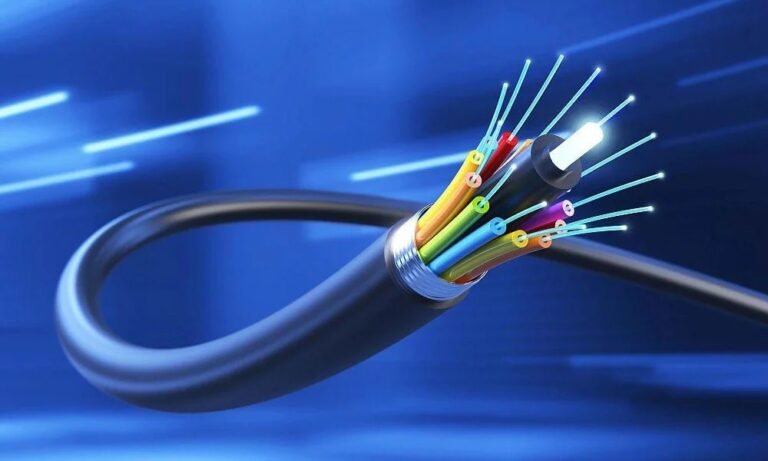
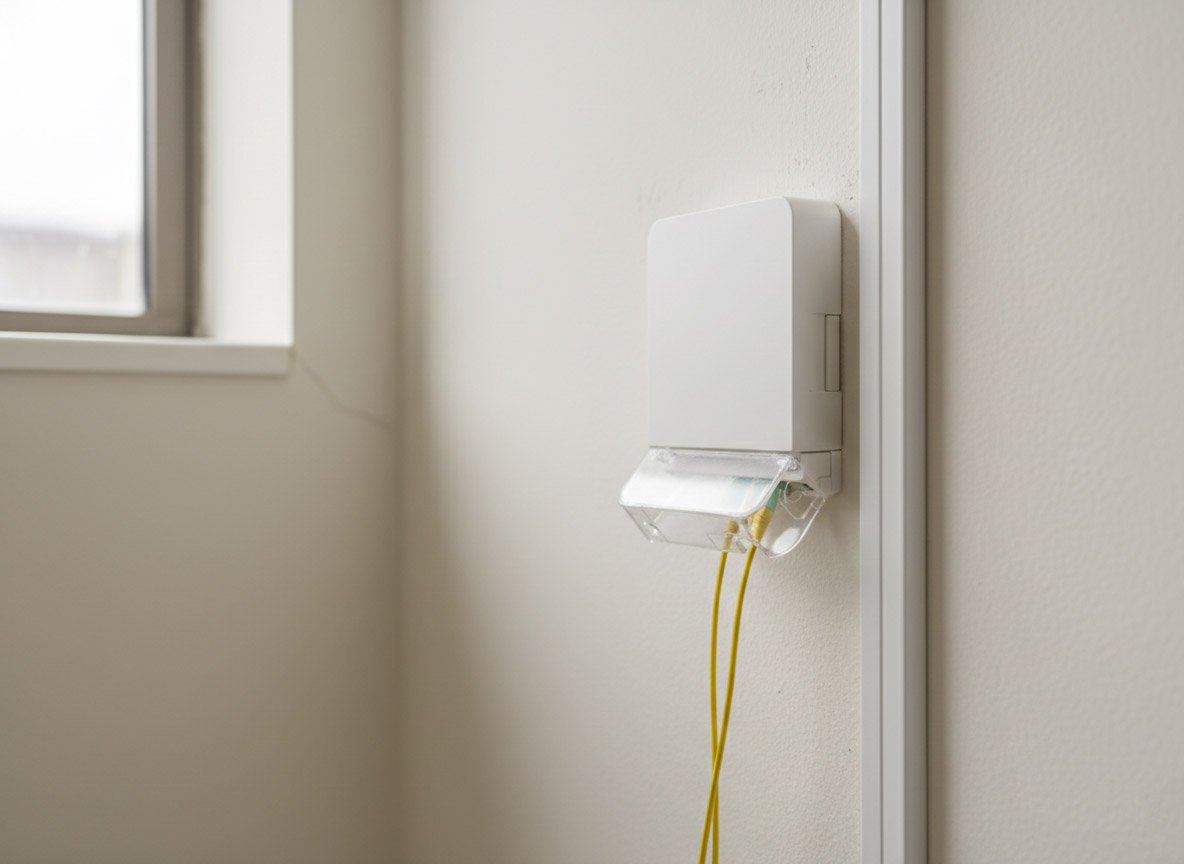
Fiber Optic Faceplate solutions serve as the critical termination point for high-performance telecommunications networks. As global data demands continue to surge, professional installers rely on these high-quality connection points to bridge the gap between backhaul infrastructure and end-user devices. EPCOM provides industry-leading components designed to ensure seamless connectivity; consequently, understanding the technical specifications of these wall outlets is essential for any modern network architect.
In the realm of high-speed internet, stability is paramount. Therefore, selecting the right hardware prevents signal loss and physical damage to delicate glass fibers. Furthermore, a well-designed wall plate simplifies maintenance. EPCOM offers a variety of configurations, including the popular 1-Port Fiber Optic Faceplate for residential FTTH applications.
Why Component Quality Matters in FTTH
To begin with, the integrity of a fiber link depends on the final connection point. If a faceplate is poorly constructed, it may lead to excessive macro-bending. Moreover, dust protection is a critical factor in optical performance. High-quality units feature integrated shutters or dust caps. In addition, the material used in the housing must withstand environmental stress.
According to the International Telecommunication Union (ITU), standardized termination is vital for global interoperability. EPCOM ensures that all products meet these rigorous international benchmarks. As a result, our customers experience fewer outages and lower attenuation rates.
Fiber Optic Faceplate Variations for Enterprises
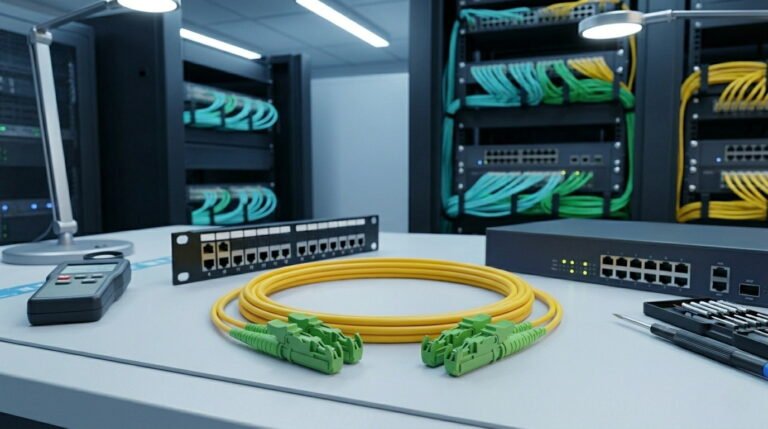
Moreover, different environments require different mounting styles. For instance, some offices prefer flush-mount designs for a sleek aesthetic. Conversely, industrial settings might require surface-mount boxes for easier access. EPCOM caters to both needs with versatile designs. Importantly, these plates must be compatible with standard fiber patch cords to ensure a tight fit.
Projected Fiber Market Growth (2024-2030)
Figure 1: Percentage of fiber adoption in urban residential areas using standardized faceplates.
Technical Specifications of Fiber Optic Faceplate
Next, let us examine the core features of these components. Most units are manufactured using ABS or PC flame-retardant materials. This ensures safety in case of electrical malfunctions within the building. Additionally, the internal radius of curvature must be managed carefully. Specifically, a minimum bend radius of 30mm is often recommended by the Telecommunications Industry Association (TIA).
| Feature Category | Standard Specification | EPCOM Advantage |
|---|---|---|
| Material | ABS / Polycarbonate | UL94-V0 Fire Rated |
| Port Capacity | 1, 2, or 4 Ports | Modular Inserts |
| Compatibility | SC, LC, ST, FC | Universal Snap-in |
| Dust Protection | Manual Caps | Automatic Internal Shutters |
EPCOM designs emphasize ease of installation. For example, our plates include clear labeling spaces for port identification. Likewise, the snap-on covers allow for tool-less entry during upgrades. When paired with a ST fiber optic adaptor, the connection becomes exceptionally secure.
Installation and Maintenance
Initially, prepare the fiber cable by stripping the outer jacket carefully. After cleaning the fiber end-face with isopropyl alcohol and completing the splice, it can be inserted into the internal adapter. Finally, snap the faceplate onto the backbox securely.
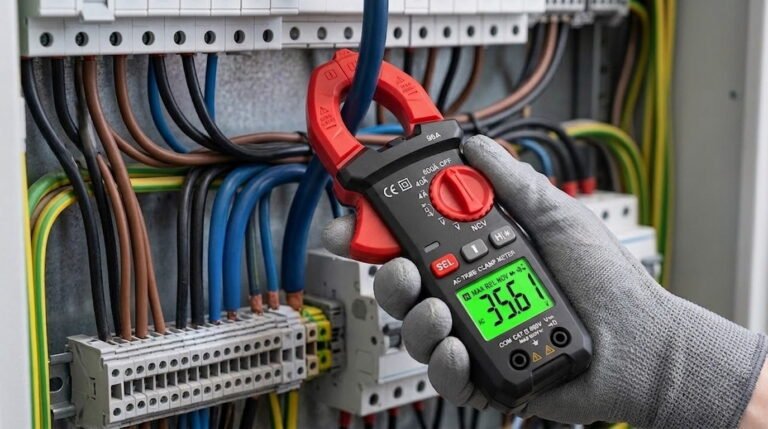
Similarly, checking light loss with an Optical Power Meter (OPM) is vital. To maintain peak performance, periodic inspections of the Fiber Optic Faceplate are necessary. Replace any damaged units immediately to prevent cable strain and ensure the network lifespan exceeds 25 years.
In conclusion, the Fiber Optic Faceplate is a critical safeguard for your data stream. EPCOM remains committed to providing the highest quality components for the global market. Visit our catalog today to find the perfect fit for your next infrastructure project.
This article was developed by the technical team at EPCOM to support network infrastructure education.