CFP Optical Transceiver Solutions for Networks
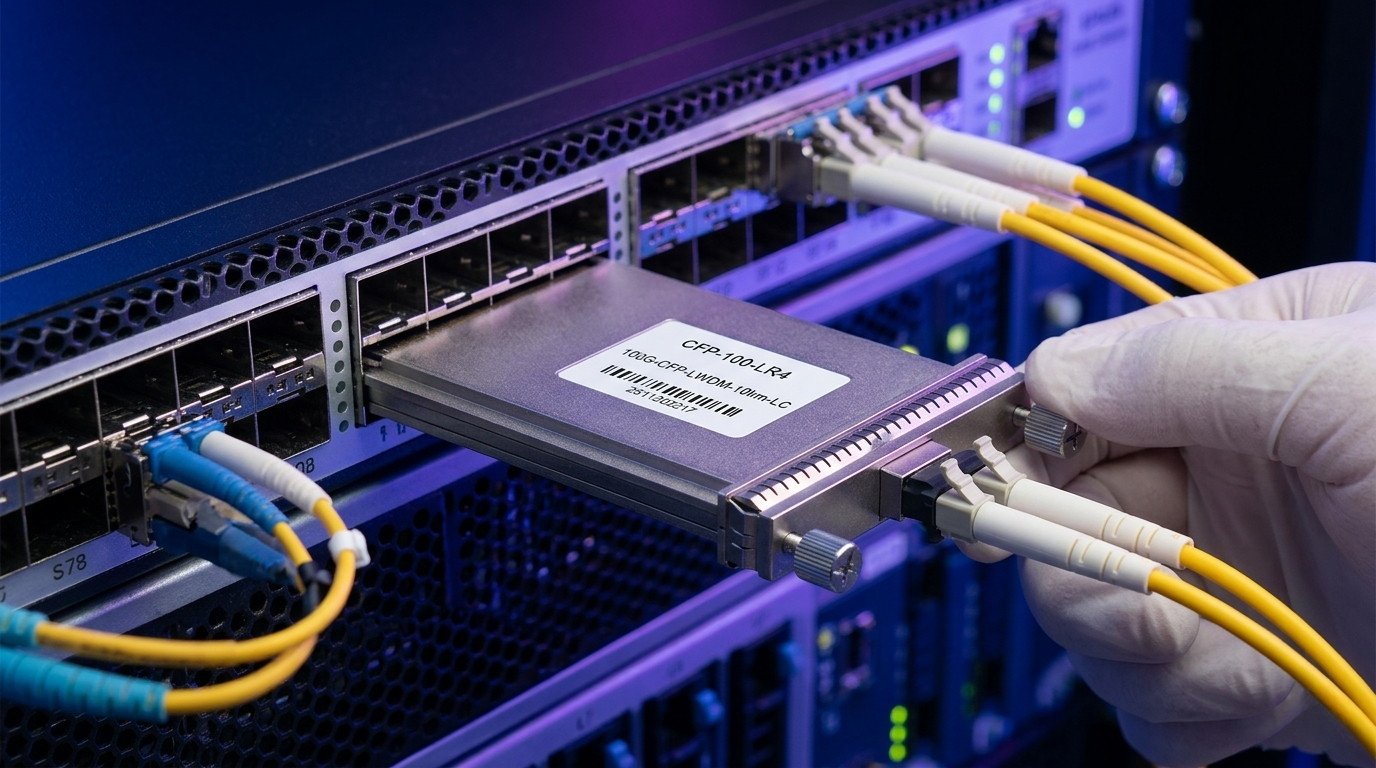
CFP Optical Transceiver technology serves as the primary foundational component for high-speed data transmission within modern telecommunication infrastructures. As global networks undergo rapid expansion, the demand for high-capacity 100G and 400G connectivity solutions continues to escalate. EPCOM offers a comprehensive suite of optical hardware designed specifically to meet these rigorous and intensive deployment requirements.
Therefore, ensuring technical precision is vital for maintaining the long-term integrity of any mission-critical system. Furthermore, this technology bridges the gap between traditional enterprise frameworks and next-generation cloud services effectively. Consequently, selecting high-quality accessories is essential for maximizing operational uptime and overall network efficiency.
CFP Optical Transceiver Technology Evolution
Initially, the networking industry utilized larger interfaces for high-bandwidth tasks. However, the introduction of the CFP Optical Transceiver revolutionized the hardware landscape. The “C” in its name represents 100, aligning with its primary function for 100Gbps Ethernet. Today, smaller variants such as CFP2 and CFP4 provide improved port density. EPCOM specializes in high-performance CFP Optical Transceiver units designed for various distances. Moreover, these modules comply with global IEEE standards for total interoperability. Consequently, engineers can deploy these units in any multi-vendor environment with confidence.
Key Features of High-Speed Modules
First, these advanced transceivers feature hot-pluggable designs for easy maintenance. This capability allows technicians to swap modules without halting entire system processes. Additionally, built-in digital diagnostic monitoring (DDM) provides crucial real-time feedback. By tracking power and temperature, EPCOM helps prevent unexpected link failures. Furthermore, the power efficiency of modern modules significantly lowers operational overhead. Since data centers aim for sustainability, choosing efficient hardware is a strategic priority.
Essential Hardware for Network Setup
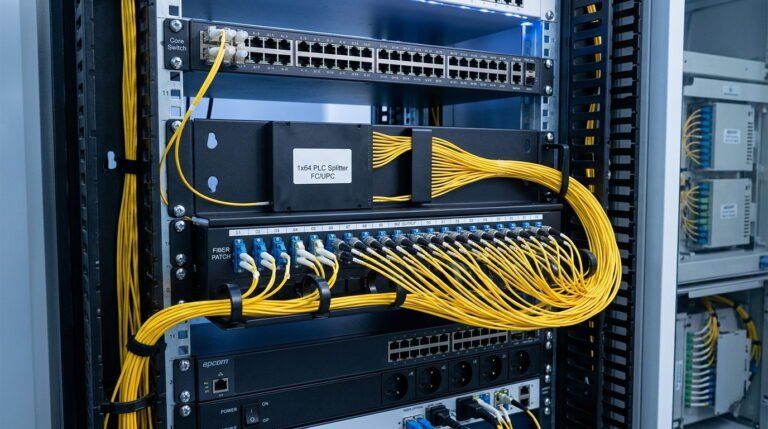
Optimizing the physical environment is critical for achieving maximum network performance. EPCOM highly recommends the 3U MPO/MTP Patch Panel for efficient fiber management. This equipment organizes complex cabling structures effectively within the rack. As a result, it eliminates cable strain that often leads to signal loss. Furthermore, a structured layout simplifies troubleshooting and future capacity expansion. If you are managing a large-scale data center, this panel is absolutely necessary. Moreover, it facilitates clean transitions between high-density trunk cables and local equipment.
Optimizing Connectivity with CFP Optical Transceiver
Physical connection quality determines the reliability of any high-speed data link. We suggest using a high-grade MPO/MTP Patch Cord for all critical module connections. These cords are engineered to handle the unique density requirements of the CFP Optical Transceiver. Specifically, they feature precision-polished ferrules to minimize insertion loss. Consequently, your network maintains consistent throughput even under heavy loads. Furthermore, EPCOM ensures that each fiber component undergoes rigorous optical testing. In the world of 400G networking, zero-defect connectivity is the industry standard.
| Feature | CFP Optical Transceiver Specs | Benefits |
|---|---|---|
| Data Rate | 40G / 100G / 400G | Supports massive bandwidth growth |
| Form Factors | CFP, CFP2, CFP4 | Optimizes port density and power |
| Application | Metro & Data Centers | Scalable for diverse ISP needs |
Maintenance for CFP Optical Transceiver Health
Environmental contamination remains the primary cause of fiber optic performance issues. Therefore, regular inspection and cleaning of all interfaces are mandatory. An MPO/MTP Cleaning Pen provides a quick and effective solution for technicians. It removes microscopic particles from the CFP Optical Transceiver interface instantly. By ensuring clean connections, you maintain the highest possible signal-to-noise ratio. Furthermore, proper cleaning protocols can prevent permanent hardware damage. EPCOM encourages a proactive approach to optical hygiene in high-density areas. Ultimately, clean fiber is the foundation of a reliable telecommunications network.
Standard Procedures for Optical Units
Always handle modules with care to protect the sensitive internal laser components. Static electricity can easily degrade the performance of the CFP Optical Transceiver. Therefore, technicians should always use grounded ESD equipment during installation. After inserting the module, confirm that the physical latch is fully engaged. Furthermore, monitor initial power readings to ensure the link is within range. If the connection is weak, check the fiber patch cords for excessive bending. Lastly, store unused modules in their original protective packaging at all times.
Future Trends in CFP Optical Transceiver
The next decade of networking will be defined by the shift to 800G and beyond. Consequently, the CFP Optical Transceiver ecosystem is evolving toward silicon photonics. This integration will lead to lower costs and even smaller module footprints. EPCOM remains dedicated to delivering the latest advancements in fiber technology. We continuously monitor networking trends to provide relevant solutions to our clients. As a result, your infrastructure can adapt to changing traffic demands efficiently. By investing in scalable hardware now, you future-proof your network investment. Ultimately, higher speeds will enable the next generation of digital innovation.
In summary, the CFP Optical Transceiver is an indispensable tool for modern data transmission. From initial setup to routine cleaning, quality must remain the top priority for every engineer. EPCOM offers the robust hardware needed to build and maintain these complex systems. By integrating our high-performance modules and accessories, you secure a reliable network future. Do not compromise on connectivity; choose parts that are built to last. The world is connecting faster than ever, and we are help you lead.