

Electrical Distribution Box: Powering Your System
An Electrical Distribution Box is the central nervous system of any modern building’s electrical wiring, acting as the primary hub for safely managing and distributing electrical power. From this single point, electricity is divided into subsidiary circuits, each protected by a fuse or circuit breaker. Whether you call it a breaker panel, a fuse box, or a consumer unit, its function remains indispensable: to provide a protective barrier between the main power supply and the various electrical outlets and appliances throughout a property. Without a properly functioning and correctly specified electrical distribution box, the safety, efficiency, and reliability of an entire electrical system would be compromised. At EPCOM, we understand that this component is not just a box of wires and switches; it is the cornerstone of electrical safety and power management for residential, commercial, and industrial applications.
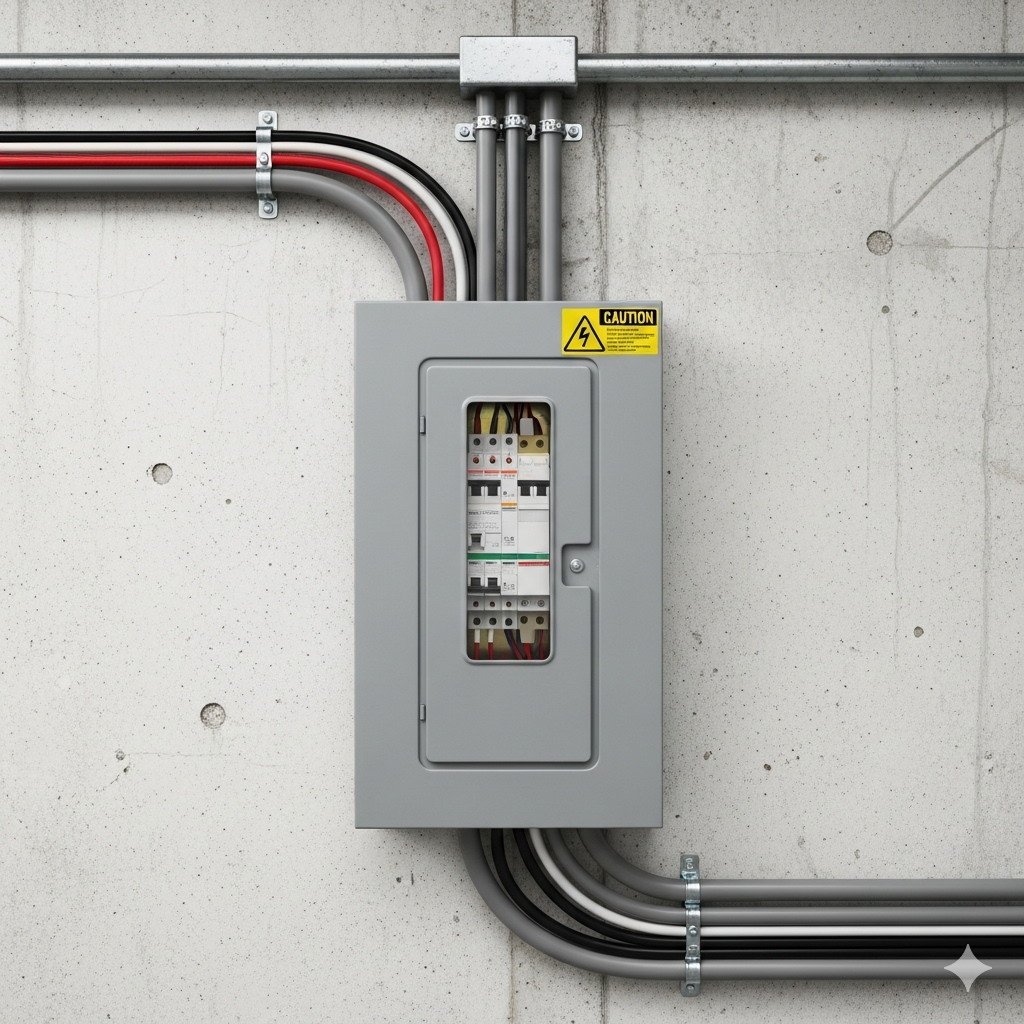
Understanding the Modern Electrical Distribution Box
At its core, an electrical distribution box serves a simple yet critical purpose: it takes the main electrical feed entering a building and divides it into smaller, manageable branch circuits. This process ensures that no single circuit is overloaded, which is a primary cause of electrical fires and equipment damage. Think of it like a dam controlling the flow of a powerful river. The main power line is the river, and the distribution box is the dam, with gates (circuit breakers) that channel the water (electricity) into smaller, controlled streams (circuits) that flow to different areas. If one stream becomes blocked or overflows, only that gate closes, leaving the others unaffected. This is precisely how a modern breaker panel works; if a fault occurs on one circuit, its corresponding breaker trips, cutting off power to that specific area while the rest of the building remains powered. This compartmentalization is fundamental to both safety and convenience.
Historically, these units were known as fuse boxes. Older systems used fuses containing a thin wire designed to melt and break the circuit if the current exceeded a safe level. While effective, this meant the fuse had to be replaced each time it blew. The advent of the circuit breaker revolutionized this process. A circuit breaker is an automatic switch that “trips” (disconnects) when it detects an overcurrent or short circuit. Unlike a fuse, it can be easily reset once the fault has been cleared, making it far more convenient and user-friendly. Today, the terms “breaker box,” “panelboard,” and “electrical distribution box” are often used interchangeably to refer to these modern, breaker-based systems.
The Vital Function of an Electrical Distribution Box
The importance of a high-quality electrical distribution box cannot be overstated. Its functions are multi-faceted, extending beyond simple power routing to encompass critical safety mechanisms that protect both people and property. Let’s delve deeper into its primary roles.
Centralized Power Management
One of the most practical benefits of an electrical distribution box is centralization. It provides a single, easily accessible location for controlling the entire electrical system. Need to shut off power to the kitchen for a renovation? Simply flip the corresponding breaker. This centralized control is essential for electricians performing maintenance, repairs, or upgrades, as it allows them to safely de-energize specific circuits without cutting power to the entire building. This organization is meticulously planned, with each breaker labeled to identify the area or major appliance it serves, such as “Living Room Outlets,” “Kitchen Lighting,” or “Air Conditioner.”
Overcurrent and Short Circuit Protection
The most critical safety function is protecting against overcurrents. An overcurrent occurs when a circuit carries more amperage than it is designed for, leading to dangerous overheating of wires. This can be caused by overloading (plugging too many high-power devices into one circuit) or a short circuit (when a hot wire touches a neutral or ground wire). In either scenario, the circuit breaker in the electrical distribution box instantly detects the surge and trips, interrupting the flow of electricity. This rapid response is what prevents the wires inside walls from melting their insulation and igniting a fire. According to the National Fire Protection Association (NFPA), electrical failures or malfunctions are a leading cause of home fires, a statistic that underscores the life-saving importance of a properly functioning breaker panel.
Ground Fault and Arc Fault Protection
Modern electrical distribution boxes incorporate even more advanced safety features. Ground Fault Circuit Interrupters (GFCIs) are designed to protect against electric shock. They monitor the flow of current and, if they detect a tiny imbalance—indicating that electricity is leaking to the ground, possibly through a person—they shut off the power in a fraction of a second. They are mandated in areas with high moisture, like bathrooms and kitchens. Arc Fault Circuit Interrupters (AFCIs) provide another layer of protection by detecting dangerous electrical arcs—sparks that can occur from damaged or frayed wiring. These arcs are a major fire hazard, and AFCI breakers are designed to trip before an arc can ignite surrounding materials. Many modern electrical distribution box setups combine these technologies for comprehensive protection.
Exploring Different Types of Electrical Distribution Box
Not all electrical distribution boxes are created equal. Their design, size, and features vary significantly based on their intended application. Choosing the correct type is crucial for ensuring the system can handle the required electrical load safely and efficiently. The products offered by EPCOM cover a wide range of these applications, from small residential setups to large-scale industrial power systems.
Residential Electrical Distribution Box
For homes and small apartments, the residential electrical distribution box is the standard. These are typically rated for 100 to 200 amps and are designed to handle the electrical loads of common household appliances, lighting, and outlets. They are usually installed indoors, often in a garage, basement, or utility closet. The main consideration for a residential box is having enough circuit slots to accommodate all the necessary circuits, with some spare slots for future expansion, such as adding an electric vehicle charger or a hot tub.
Commercial Electrical Distribution Box
Commercial properties like offices, retail stores, and restaurants have greater power demands and more complex wiring systems. Consequently, a commercial electrical distribution box is more robust. These panels, often referred to as panelboards, are typically rated for higher amperages (200A to 600A or more) and can be configured for three-phase power, which is necessary for running heavy-duty commercial equipment. They are built for durability and may have features like lockable covers for security and more extensive labeling systems to manage the larger number of circuits.
Industrial Electrical Distribution Box
In an industrial setting—factories, manufacturing plants, and processing facilities—the electrical demands are immense. An industrial electrical distribution box is the powerhouse of these operations. These systems are highly specialized, often custom-configured, and built to withstand harsh environments. They manage extremely high voltages and currents to power heavy machinery, motors, and control systems. Durability is paramount, so they are often constructed from heavy-gauge steel and may feature advanced cooling systems. Safety features are also enhanced, with complex lockout/tagout provisions to protect workers during maintenance.
Outdoor and Waterproof Electrical Distribution Box
When power needs to be distributed outdoors for lighting, pools, or external workshops, a specialized outdoor electrical distribution box is required. The key feature of these boxes is their weather resistance. They are built with sealed gaskets and durable materials (like galvanized steel or polycarbonate) to protect the internal components from rain, snow, dust, and UV radiation. Their level of protection is classified by a NEMA (National Electrical Manufacturers Association) rating. For example, a NEMA 3R enclosure is rated for outdoor use and provides protection against falling rain and sleet, making it a common choice for residential and light commercial outdoor applications.
Anatomy: Inside an Electrical Distribution Box
Opening the door of an electrical distribution box reveals a meticulously organized array of components, each playing a specific role in the system’s operation. Understanding these parts helps demystify how the panel works.
- Main Breaker: This is the large breaker typically located at the top of the panel. It acts as the master switch, controlling all the power flowing from the utility meter into the distribution box. In case of a major emergency or for whole-system maintenance, switching off the main breaker cuts power to every circuit in the building.
- Bus Bars: These are the conductive metal bars (usually copper or aluminum) that distribute power from the main breaker to the individual circuit breakers. There are two “hot” bus bars that carry the live current. Each circuit breaker snaps onto one of these bars to draw power.
- Circuit Breakers: These are the smaller switches aligned in rows. Each one is designed to control and protect a specific branch circuit. They come in various amperage ratings (e.g., 15A for lighting, 20A for outlets) and types (single-pole, double-pole, GFCI, AFCI) depending on the circuit’s requirements.
- Neutral and Ground Bars: The neutral bar is a metal strip where all the white neutral wires are connected. It completes the circuit by providing a return path for the electrical current. The ground bar is where the bare copper or green ground wires are terminated. This bar is bonded to the panel and connected to a grounding rod, providing a safe path for stray current to dissipate into the earth in the event of a fault, which is critical for preventing electric shock.
Selecting the Perfect Electrical Distribution Box
Choosing the right electrical distribution box is a decision that impacts the safety and functionality of your property for decades. Several factors must be considered to make an informed choice.
Assess Your Power Needs (Amperage)
The first step is to calculate your total electrical load. This involves adding up the power requirements of all the appliances, lighting, and systems that will be used. An electrician can perform a load calculation to determine the appropriate amperage for your main service. A small home might only need a 100-amp service, while a larger, modern home with central air conditioning, an electric range, and other high-draw appliances will likely require a 200-amp service. Undersizing the panel can lead to constantly tripping breakers and is a significant safety hazard.
Consider the Environment (NEMA Ratings)
Where the electrical distribution box will be installed is a critical factor. For indoor installations in a clean, dry location, a standard NEMA 1 enclosure is sufficient. However, for outdoor installations, dusty industrial environments, or areas exposed to moisture, a higher NEMA-rated enclosure is essential. As mentioned, a NEMA 3R is suitable for most outdoor residential uses, while a NEMA 4X enclosure, made of corrosion-resistant material, would be necessary for a food processing plant where equipment is regularly washed down. You can learn more about these ratings on the official NEMA website.
Future-Proofing Your System
It’s always wise to plan for the future. When selecting an electrical distribution box, choose one with more circuit spaces than you currently need. Technology is constantly evolving, and your power needs are likely to increase over time. You might decide to add a home office, an EV charger, a solar panel system, or a new workshop. Having spare slots in your panel makes these future additions much easier and less expensive, avoiding the need for a costly panel upgrade or the installation of a sub-panel.
Installation and Safety Protocols for an Electrical Distribution Box
The installation of an electrical distribution box is not a DIY project. It involves working with high-voltage electricity and requires a deep understanding of electrical codes and safety procedures. Always hire a licensed and insured electrician for this task. An improper installation can lead to catastrophic failures, including fires, equipment damage, and fatal electric shock.
Common Safety Hazards to Avoid
Even after professional installation, property owners should be aware of potential hazards. Never overload circuits by using multi-plugs and extension cords to power multiple high-wattage appliances. Be aware of the warning signs of a problem with your electrical distribution box, such as a burning smell, sizzling sounds, frequently tripping breakers, or scorch marks on the panel itself. If you notice any of these signs, contact an electrician immediately. Furthermore, ensure the area around the panel is kept clear and accessible at all times; it should never be blocked by storage or furniture.
Essential Accessories for a Complete Power System
An electrical distribution box is the hub, but a reliable power system depends on the quality of all its components, from the main overhead lines down to the final termination points. The integrity of every connection is vital for safety and performance. EPCOM provides a comprehensive range of high-quality accessories designed to ensure your entire electrical infrastructure is robust and secure.
Secure Connections with Terminal Clamps
Inside and outside the distribution box, secure wire connections are non-negotiable. Loose connections can cause arcing, overheating, and eventual failure. This is where high-quality terminal clamps become essential. They are designed to provide a firm, reliable mechanical and electrical connection between a conductor and a terminal. For instance, the SYG Terminal Clamp offered by EPCOM is engineered for exceptional performance. Made from high-strength, corrosion-resistant aluminum alloy, it ensures a durable, low-resistance connection that can withstand environmental stresses and thermal cycling. Using premium components like these is fundamental to building a safe and long-lasting electrical system.
Reliable Conductor Joining with Parallel Groove Connectors
Before power even reaches the building, it travels along overhead or underground conductors. The points where these conductors are joined or tapped are potential weak spots in the grid. Parallel groove connectors are used to create strong, reliable connections between two parallel conductors without needing to cut or splice them. The JBT-L Parallel Groove Connector is a prime example of robust engineering in this category. Its specialized design ensures uniform pressure across the conductors, maximizing surface contact and minimizing electrical resistance. This prevents hotspots from forming and ensures an efficient, uninterrupted flow of power toward the property’s electrical distribution box.
Ensuring Line Stability with Tension Clamps
The overhead power lines that feed your home or business are under constant physical stress from wind, ice, and their own weight. Tension clamps, also known as anchor clamps or dead-end clamps, are critical components used to securely anchor these conductors to poles or structures, maintaining proper line tension. A reliable clamp prevents lines from sagging excessively or breaking under load. The PA500 Tension Clamp is designed for exactly this purpose. Its high-strength construction and carefully engineered wedge system provide a powerful grip on the conductor without causing damage, ensuring the mechanical stability and safety of the entire power distribution network.
Visualizing Data: Electrical Distribution Box Materials and Faults
Making an informed decision about electrical components often involves comparing materials and understanding potential risks. Below is a table comparing common materials used for electrical distribution box enclosures, followed by a chart illustrating the primary causes of electrical faults that these systems are designed to protect against.
Material Comparison for Electrical Enclosures
| Material | Pros | Cons | Best Use Case |
|---|---|---|---|
| Painted Mild Steel | Cost-effective, strong, readily available. | Susceptible to rust if paint is scratched, heavy. | General-purpose indoor commercial and residential applications. |
| Stainless Steel | Excellent corrosion resistance, durable, easy to clean. | More expensive than mild steel, heavier. | Food processing, pharmaceutical, marine, and harsh industrial environments. |
| Polycarbonate | Lightweight, impact-resistant, excellent UV and corrosion resistance, non-conductive. | Can be more susceptible to certain chemicals and extreme temperatures than metal. | Outdoor installations, telecommunications, and applications requiring insulation from electrical current. |
| Aluminum | Lightweight, naturally corrosion-resistant, good thermal conductivity. | Less strong than steel, higher cost. | Outdoor applications, transportation, and where weight is a primary concern. |
Common Causes of Electrical System Faults
Innovations in Electrical Distribution Box Technology
The humble electrical distribution box is also evolving with technology. Modern advancements are making panels smarter, safer, and more efficient than ever before.
Smart Electrical Distribution Box Panels
The rise of the Internet of Things (IoT) has led to the development of smart panels. A smart electrical distribution box can connect to your home’s Wi-Fi network, allowing you to monitor and control individual circuits from a smartphone app. You can track energy consumption for specific appliances in real-time, receive alerts if a breaker trips, and even remotely turn circuits on or off. This level of control offers unprecedented insight into energy usage, helping homeowners and facility managers identify waste and reduce their electricity bills.
Integrated Surge Protection
Power surges, often caused by lightning strikes or utility grid fluctuations, can destroy sensitive electronic devices in an instant. While plug-in surge protectors offer some defense, whole-home surge protection offers a much more robust solution. Many modern electrical distribution box models now offer integrated, whole-home surge protective devices (SPDs). These are installed directly inside the panel and defend every circuit in the building from external and internal power surges, protecting all your valuable electronics, from your TV to your kitchen appliances.
EPCOM’s Commitment to Quality Power Enclosures
At EPCOM, we recognize that the safety and reliability of your electrical system start with high-quality components. That’s why we offer a curated selection of power enclosures, including a range of durable and efficient electrical distribution box options designed to meet stringent international standards. Our products, referenced in our electrical distribution box category, are engineered for performance and longevity. By focusing on superior materials and manufacturing excellence, we provide solutions that electricians trust and property owners can rely on for years to come. From the main enclosure to essential accessories like clamps and connectors, EPCOM is your partner in building a safer and more reliable electrical infrastructure.
Conclusion: The Centerpiece of Electrical Safety
The electrical distribution box is far more than a simple utility enclosure. It is an active, essential safety device that serves as the heart of your entire electrical system. It manages the immense power entering your property, carefully distributing it to where it’s needed while standing guard against overloads, short circuits, and other dangerous faults. Choosing the right box, ensuring it is installed by a qualified professional, and using high-quality components for every part of the system are fundamental investments in the safety of your property and the people within it. By understanding its function and importance, you can make informed decisions that ensure a safe, efficient, and reliable power supply for the long term.