

Grid-Connected Distribution Box: Efficiency & Safety
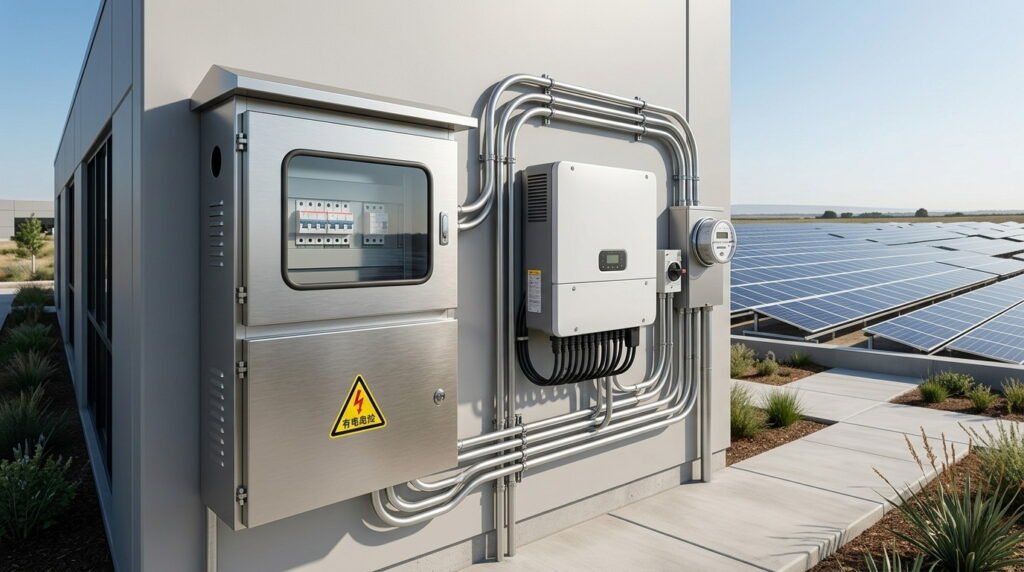
Grid-Connected Distribution Box systems serve as the critical heartbeat of modern solar energy infrastructures. As the central hub for electrical management, this component ensures that power generated from renewable sources seamlessly integrates with the local utility grid. EPCOM specializes in engineering these robust enclosures to meet the most demanding safety and efficiency standards. Consequently, understanding the technical nuances of a grid-connected distribution box is essential for any large-scale photovoltaic installation.
Solar energy adoption is accelerating globally. Therefore, the demand for reliable power distribution solutions has never been higher. A well-designed system prevents overloads while maintaining peak performance across the entire electrical network. EPCOM provides industry-leading technology to help developers achieve sustainable energy goals. Moreover, our commitment to quality ensures that every installation remains stable under varying environmental conditions.
The Role of a Grid-Connected Distribution Box in PV Systems
Managing electrical flow requires precision. For this reason, the Grid-Connected Distribution Box acts as the primary safety interface between your solar array and the public grid. It houses essential components such as circuit breakers, surge protectors, and monitoring tools. Additionally, it provides a manual disconnect point, which is vital for maintenance and emergency situations. By centralizing these functions, EPCOM helps streamline the installation process for engineers.
Efficiency starts with the right panels. For instance, pairing high-quality monocrystalline solar panels with a sophisticated distribution hub maximizes energy harvest. Since monocrystalline cells offer higher conversion rates, the electrical load on the distribution box is more consistent. However, without a reliable box, that efficiency can be lost to poor connectivity or heat build-up. Furthermore, modern boxes now include smart meters to track real-time generation data.
Essential Hardware Inside Distribution Units
What exactly goes into an EPCOM distribution unit? First, high-performance DC and AC breakers are installed to handle sudden spikes. Second, surge protection devices (SPD) shield the sensitive electronics from lightning strikes. Third, we include high-quality busbars for optimal conductivity. Because we use premium materials, the risk of electrical fire is significantly reduced. In addition, the enclosure itself is usually rated IP65 or higher for outdoor durability.
Connection integrity is another crucial factor. Using a JJC insulation piercing connector ensures that the cables within the system are joined without stripping the insulation. This technique prevents corrosion and maintains a waterproof seal. Consequently, the longevity of the entire grid-connected distribution box setup is greatly extended. EPCOM recommends these connectors for their reliability in high-voltage environments.
Optimizing Efficiency with a Grid-Connected Distribution Box
System optimization is a multi-step process. Initially, you must calculate the total wattage of your solar array. This calculation determines the capacity required for your distribution hardware. If the box is undersized, it will frequently trip. Conversely, an oversized box might be an unnecessary expense. EPCOM engineers provide consulting services to ensure your equipment is perfectly matched to your site’s specific needs.
The inverter is the next piece of the puzzle. Integrating an on-grid inverter with your distribution box allows for the conversion of DC power into usable AC power. This conversion must be synchronized with the grid’s frequency. Otherwise, the system could cause instability in the local power lines. Therefore, the connection point between the inverter and the distribution box must be flawless. EPCOM designs systems where these components work in perfect harmony.
| Feature Comparison | EPCOM Standard Box | Generic Market Models |
|---|---|---|
| Ingress Protection | IP66 (Waterproof/Dustproof) | IP54 (Limited Protection) |
| Material Build | UV-Resistant Polycarbonate | Recycled Plastic |
| Surge Protection | Type II SPD Included | Optional or None |
| Temperature Range | -25°C to +60°C | 0°C to +40°C |
Safety Protocols for the Grid-Connected Distribution Box
Safety should never be compromised in electrical work. Thus, every EPCOM Grid-Connected Distribution Box undergoes rigorous testing before leaving the factory. We simulate extreme weather conditions to ensure the enclosure does not leak or warp. Furthermore, we test the thermal management systems to prevent overheating during peak summer hours. Because safety is our priority, we adhere to all IEEE standards for power distribution.
Proper grounding is another non-negotiable requirement. Without a solid ground connection, the surge protection devices cannot function correctly. This could lead to catastrophic failure during a storm. Additionally, all labels inside the box must be clear and permanent. This helps technicians identify circuits quickly during maintenance. EPCOM provides detailed wiring diagrams with every unit to simplify the commissioning phase.
Solar Grid Integration Market Growth (2020-2030 Projection)
The rising adoption of renewable energy directly correlates with the demand for advanced distribution boxes.
Installation Best Practices for a Grid-Connected Distribution Box
Correct placement of the Grid-Connected Distribution Box can significantly impact its lifespan. While EPCOM boxes are weather-resistant, mounting them in a shaded area reduces thermal stress. Moreover, the mounting surface must be level and vibration-free. If you are installing on a commercial roof, ensure the structure can support the weight of the conduit and the box itself. Following these steps ensures a professional and long-lasting installation.
Wiring organization is equally important. Using cable glands prevents moisture from entering through the entry points. Also, maintain a neat internal layout to allow for airflow. Overcrowded boxes can trap heat, which reduces the efficiency of the breakers. EPCOM designs its enclosures with ample space for cable management. Consequently, technicians find our products much easier to service compared to cramped alternatives.
Finally, always perform a series of tests before going live. Check for voltage consistency and verify that the grounding path has low resistance. You should also check all screws and terminals for tightness. Loose connections are a leading cause of arc faults in solar systems. By being diligent during the setup, you protect your investment and the grid. EPCOM supports installers with technical documentation to ensure every Grid-Connected Distribution Box performs as expected.
Environmental Impact and Sustainability of EPCOM Solutions
Reducing carbon footprints is a core mission at EPCOM. Our Grid-Connected Distribution Box is designed using recyclable materials wherever possible. By making the units more durable, we reduce the frequency of replacements, which saves resources. Furthermore, efficient power management means less energy is wasted as heat. This contributes to a more sustainable energy cycle for the entire planet.
The transition to green energy is supported by global initiatives like the International Renewable Energy Agency. These organizations emphasize the need for smart grid infrastructure. As more homes and businesses become small power plants, the role of the distribution box becomes even more critical. EPCOM is proud to be at the forefront of this technological shift, providing the tools necessary for a cleaner future.
In summary, the Grid-Connected Distribution Box is far more than just a plastic container. It is a sophisticated piece of electrical engineering that ensures safety, efficiency, and reliability. Whether you are using high-output monocrystalline solar panels or complex on-grid inverter setups, the distribution box binds them all together. Trust EPCOM for your next project and experience the difference that quality engineering makes in the renewable energy sector.
Maintaining a Grid-Connected Distribution Box requires a semi-annual inspection. Check for any signs of UV degradation or physical damage. It is also wise to check the torque on all electrical connections, as thermal cycling can cause them to loosen over time. EPCOM recommends using infrared cameras to detect “hot spots” that might indicate a failing component. Early detection prevents costly downtime and potential hazards.
The future of grid-connected distribution box technology lies in integration with Internet of Things (IoT) devices. Imagine a box that alerts you on your smartphone if a breaker trips or if surge protection has been compromised. EPCOM is currently developing these smart features to provide even more value to our customers. By staying ahead of industry trends, we ensure that our partners always have access to the latest innovations.
Local building codes also play a significant role in how a Grid-Connected Distribution Box is installed. Different regions have varying requirements for rapid shutdown and labeling. EPCOM units are designed to be flexible, allowing for easy customization to meet specific local mandates. This versatility makes our products a favorite among international contractors who work across multiple jurisdictions. Always consult with a licensed electrician to ensure your project is fully compliant with the latest National Electrical Code or equivalent standards.