
101SG Inline Connector for Copper Cable Splicing
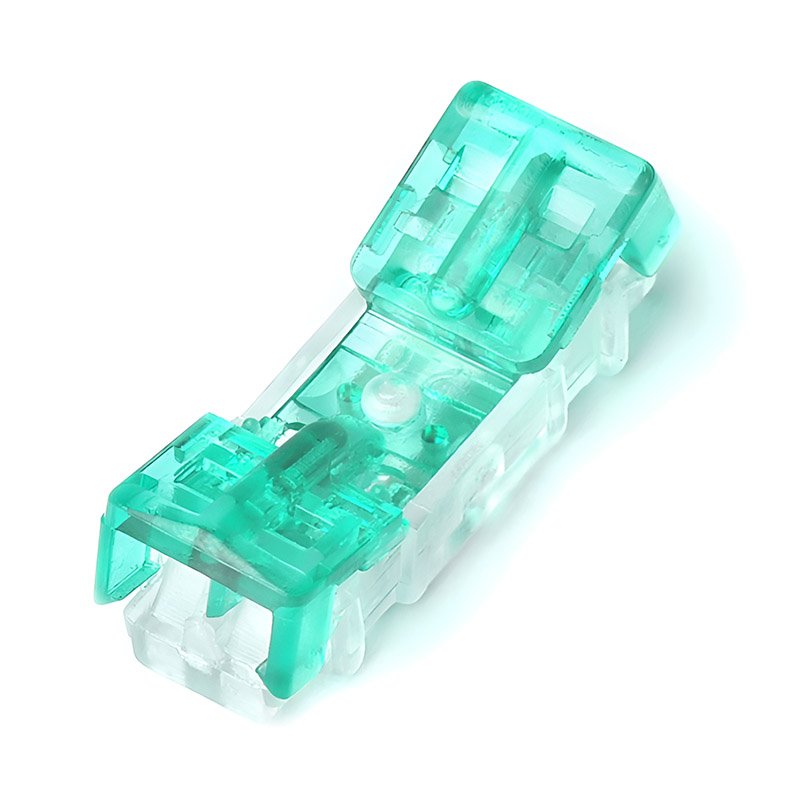
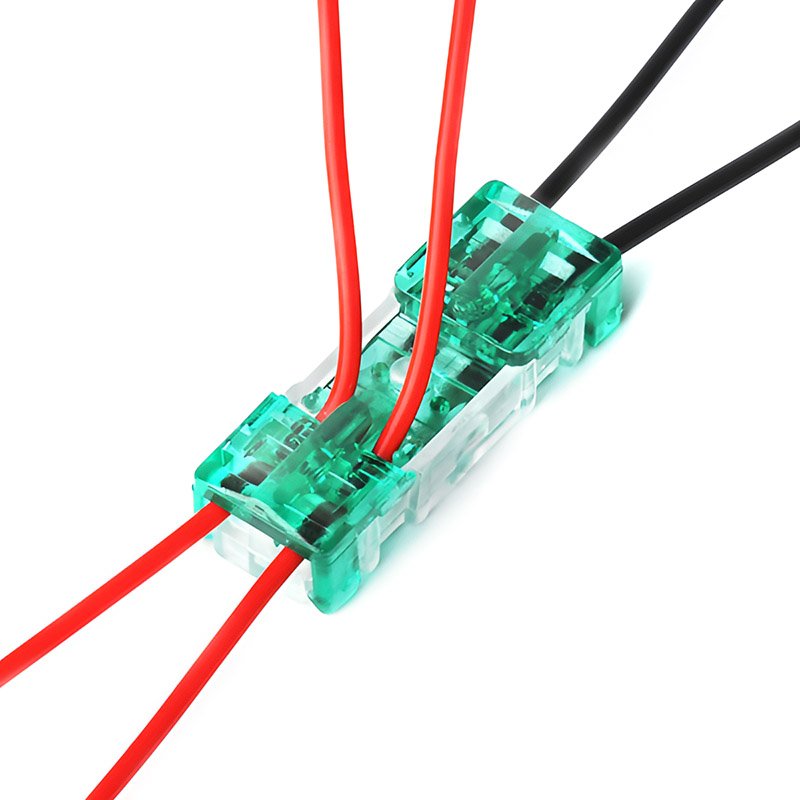
The 101SG Inline Connector is a new type of connector that is designed to be used to tap into another wire without interfering with the wire. The connector is filled with a moisture resistant compound in order to provide moisture proof connection. The connector can be used to tap into another wire without interfering with the wire.
- Self-stripping design mechanism eliminates manual wire insulation removal.
- Internal gel compound provides a reliable moisture and corrosion barrier.
- Robust flame-retardant polycarbonate housing ensures long-term durability.
- Precision-calibrated IDC contact layout maintains stable electrical connections.
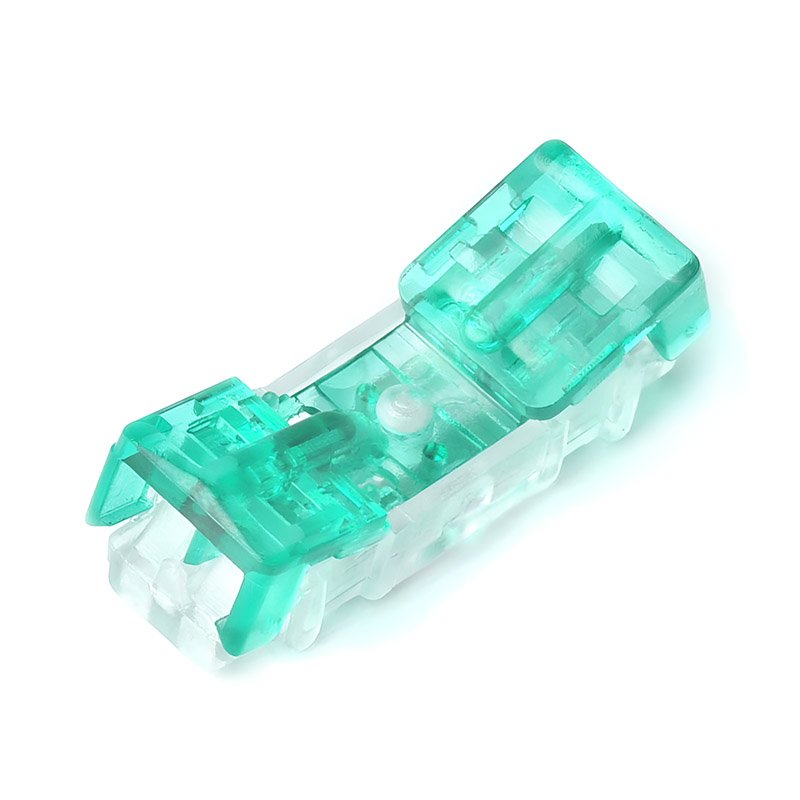
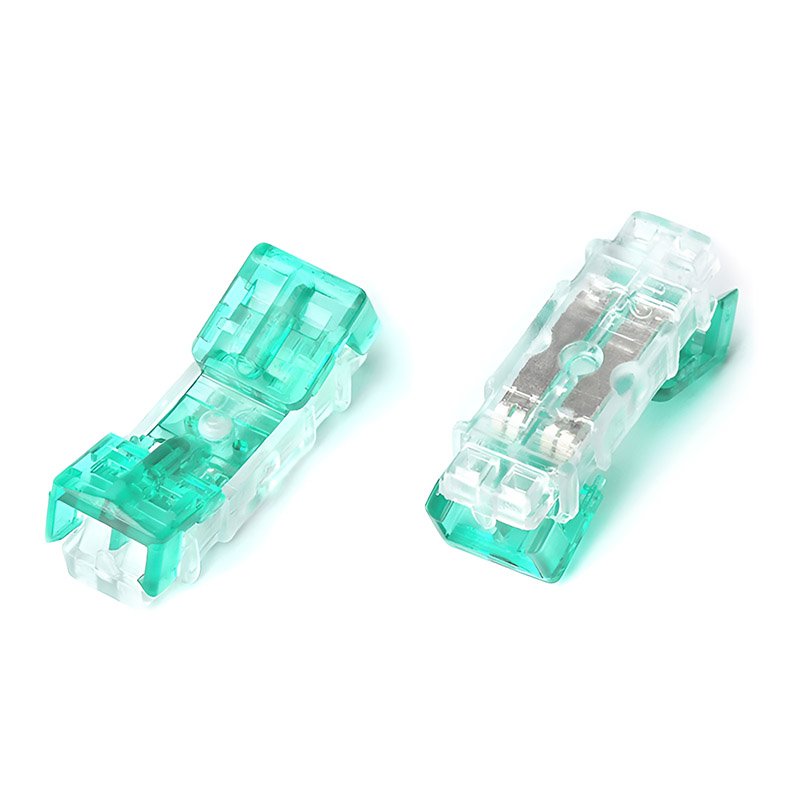
- Transparent shell enables instant visual verification of proper wire insertion.
Description
The 101SG Inline Connector represents a monumental advancement in modern copper-wire splicing technology, delivering exceptional electrical reliability for signal transmission systems. Engineered to optimize network continuity, this high-performance jointing solution eliminates the tedious process of stripping wire insulation before splicing. Telecommunication networks require infrastructure components that withstand extreme physical stresses while minimizing signal degradation over decades of service. By utilizing high-grade materials and an advanced mechanical configuration, EPCOM has designed this connection system to meet the rigorous demands of global infrastructure standards.
At the heart of the copper cable network, mechanical integrity determines the overall throughput and lifespan of the transmission path. Traditional wire twisting methods often suffer from high contact resistance, oxidization, and mechanical failure under physical tension. In contrast, the integration of insulation displacement contact (IDC) systems within modern telecommunications ensures a gastight joint that remains stable across varied environmental fluctuations. EPCOM continues to supply critical components to engineers worldwide, helping maintain the operational readiness of underground and aerial network topologies through robust engineering.
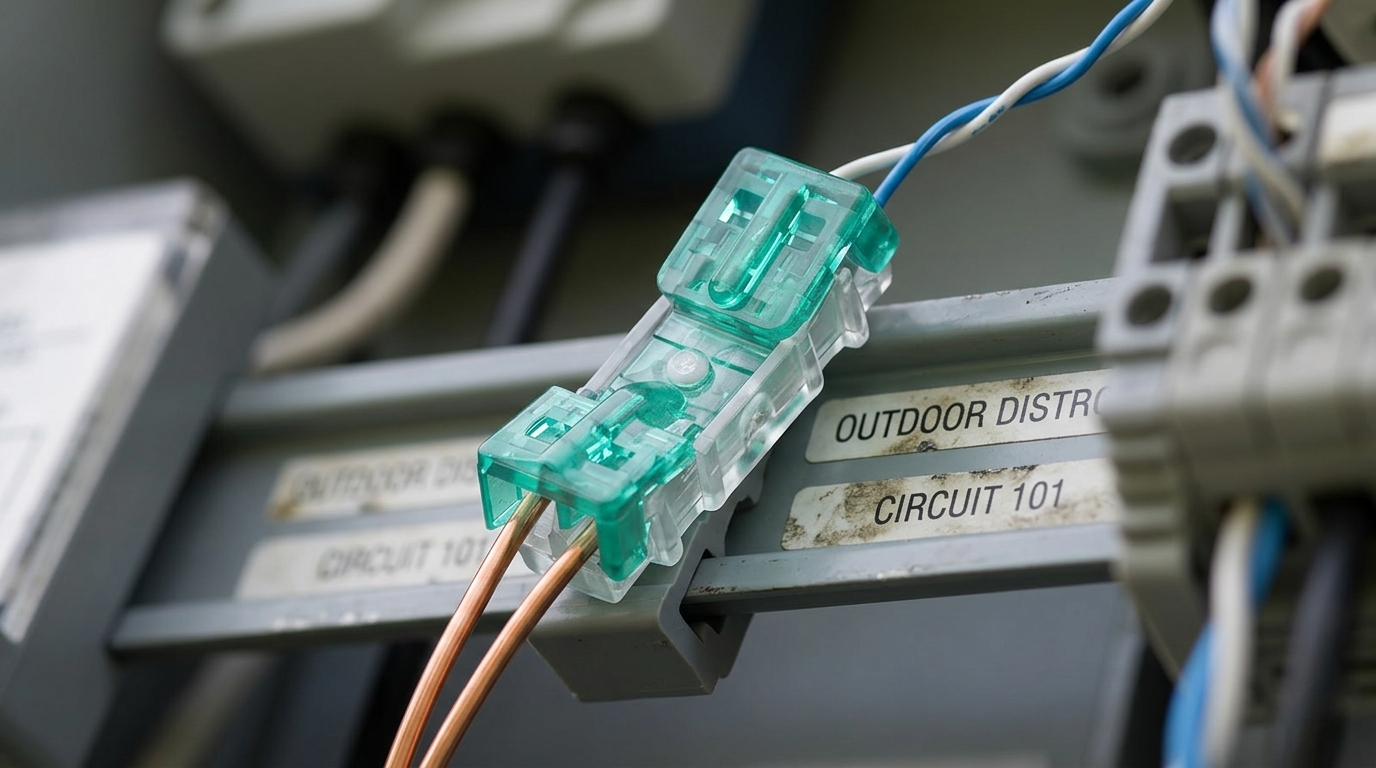
Overview of the 101SG Inline Connector
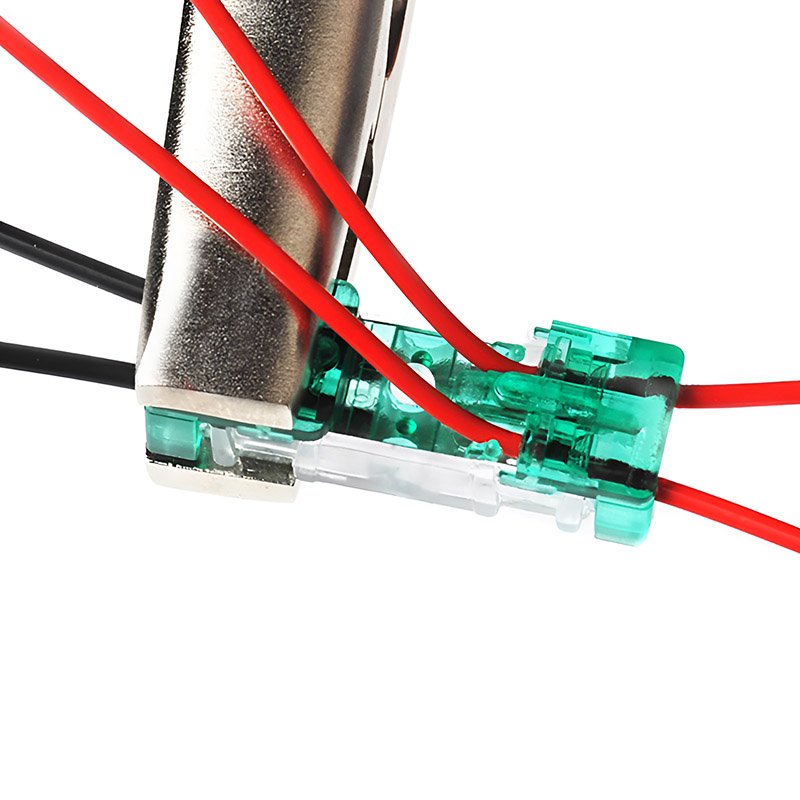
For operators looking to deploy resilient connections rapidly, the 101SG Inline Connector provides an industrial-grade solution designed for solid copper conductors. It features a single-port or multi-port configuration that establishes a highly secure mechanical path with minimal insertion effort. The connector operates on a self-stripping design mechanism where internal metal blades pierce the outer cable sheath as the connector cap is pressed down. This technology dramatically reduces manual labor, resulting in consistent connection quality that does not depend on the individual technician’s splicing skill level.
During installation, conductors are simply inserted into the housing port without any initial preparation, such as wire peeling or twisting. The engineering behind the internal IDC blade relies on a precision-calibrated U-contact layout. This layout strips away the outer plastic insulation of the conductor, deforms the copper core slightly to maximize the surface area of contact, and holds the joint under constant tension. This elastic tension ensures that even if temperature shifts cause the metal to expand or contract, the connection remains structurally secure, conforming to guidelines recognized by the International Telecommunication Union for high-performance copper line installations.
Key Engineering Advantages and Material Composition
The housing of this connection joint is manufactured using premium, flame-retardant polycarbonate. This material is widely selected in professional engineering due to its remarkable impact strength, superior dimensional stability, and resistance to ultraviolet degradation. Splicing components must survive a variety of external environments, from buried direct-burial splice cases to elevated aerial terminal blocks. By choosing rugged materials, EPCOM ensures that the outer housing of each unit will not crack or disintegrate when subjected to the mechanical strain of cable movement or freezing winter temperatures.
Internally, the contact element is formed from a highly conductive copper alloy, which is heavily plated to prevent galvanic corrosion at the contact point. In copper-to-copper splicing, maintaining material compatibility is critical to preventing the electrical resistance spikes that cause transmission loss. The thickness of the plating is strictly controlled during manufacturing, ensuring that the self-stripping blades slice through plastic insulation cleanly while forming a permanent connection with the inner copper conductor without fracturing the core.
Moisture Resistance of the 101SG Inline Connector
To safeguard against water intrusion, the 101SG Inline Connector is pre-filled with a highly stable, moisture-resistant sealing compound. Outdoor splicing environments are prone to high humidity, condensation, and flooding. If moisture reaches the bare copper contact points, rapid oxidization occurs, which introduces high attenuation and signal loss. The synthetic gel compound inside this connector completely surrounds the electrical contacts and the exposed wire insulation. When the wire is inserted and compressed, the gel flows to fill any microscopic voids, creating a reliable barrier against water, dust, and corrosive vapors.
This specialized compound does not degrade over time, meaning the 101SG Inline Connector remains fully protected for a product life cycle spanning more than twenty years in challenging climates. Splicing technicians can deploy these joints in manholes, direct-buried outdoor closures, and pedestal cabinets without worrying about environmental contamination. The chemical composition of the gel also prevents the migration of moisture along the core of the cable, which is why the 101SG Inline Connector remains a preferred option for underground telecommunication applications.
Furthermore, the transparent nature of the polycarbonate shell allows for instant visual inspection of the splice area. Engineers can easily verify if the conductors have been pushed completely to the back of the port and if the gel has properly encapsulated the connection. This design feature drastically reduces troubleshooting times, as any incomplete insertions can be diagnosed immediately before the cabinet is locked and buried. This combination of structural strength and visual validation makes the 101SG Inline Connector incredibly reliable in high-density distribution frames.
Technical Specifications and Core Parameters
Splicing installations require strict adherence to exact electrical and mechanical standards. The table below outlines the core parameters of this connector, facilitating seamless integration into standard network operations.
| Parameter Name | Specification Details |
|---|---|
| Conductor Type Compatibilities | Solid Copper Wire (Single Core) |
| Applicable Wire Gauge Range | 19 AWG to 26 AWG (0.4 mm to 0.9 mm conductor diameter) |
| Maximum Outer Insulation Diameter | Up to 2.08 mm (0.082 inches) |
| Housing Material Build | Premium Grade Flame-Retardant Polycarbonate |
| Internal Contact Element | Nickel-plated Phosphor Bronze IDC Spring |
| Sealant Compound Type | Water-Resistant Petroleum Gel Barrier |
| Insulation Resistance Range | > 1000 Megohms (at DC 500V test) |
| Operating Temperature Range | -30 degrees Celsius to +70 degrees Celsius |
Deployment Guidelines for the 101SG Inline Connector
Achieving a robust connection requires strict adherence to recommended deployment protocols. Field engineers must make sure the wires are aligned properly, clean of major physical residue, and pushed into the correct entry ports. It is important to note that the copper conductors should remain covered by their standard plastic sheath before inserting them into the 101SG Inline Connector. Stripping the insulation manually can actually weaken the resulting joint because the IDC mechanism is calibrated to work only when slicing through standard wire cladding.
Once the solid copper wires are pushed into the back of the port, a standardized crimping tool is used to apply pressure to the plastic cap of the housing. This squeezing action drives the internal metallic contact down into the wires, slicing through the outer insulation and sealing the contact point with the protective gel. This mechanical sequence must be completed in a single, smooth movement, ensuring the 101SG Inline Connector is crimped down flat and even. Any uneven pressure can result in poor contact on one of the wires, leading to a high-resistance joint that could disrupt signal performance over time.
Synergistic Splicing Tools and Protective Enclosures
Building a resilient copper infrastructure requires more than just high-quality connectors. Technicians must be equipped with professional prep tools and robust housings to protect splice points from external stresses. When managing complex high-pair telephone cables, preparing the outer sheath properly is the first step. Utilizing a professional rotary wire stripper allows technicians to cleanly remove the heavy outdoor jacket without scoring the delicate internal copper pairs. Keeping the insulation intact is paramount to preventing accidental shorts during the splicing phase.
For larger network distributions, network engineers often utilize standard splicing alternatives like the u1b inline connector alongside the 101SG Inline Connector. Having access to a variety of joint types ensures that field crews can adapt to different conductor counts and space limitations within splice closures. Whether joining simple drop wires or maintaining high-capacity local distribution loops, selecting the proper connector profile guarantees that transmission losses are kept within strict system margins.
After completing the connection sequence using the 101SG Inline Connector, the finished joins must be organized and secured. Leaving individual splices exposed in an open environment leaves them vulnerable to physical crushing and vibration damage. Consolidating the splices into a versatility junction box provides the necessary physical support, strain relief, and extra protection needed to survive long-term exposure. This combined approach of high-performance connectors, professional prep tools, and sealed junction boxes forms the foundation of EPCOM distribution solutions, ensuring that copper networks continue to operate reliably under all circumstances.
Ultimately, selecting the right splicing components determines the efficiency of network installations and the long-term reliability of copper physical layers. By specifying robust connection parts, network operators can significantly reduce maintenance overhead and prevent unexpected service disruptions. EPCOM continues to lead the industry in manufacturing high-integrity cabling accessories, proving why the 101SG Inline Connector is a reliable and necessary investment for high-performance copper wire splicing projects worldwide.


