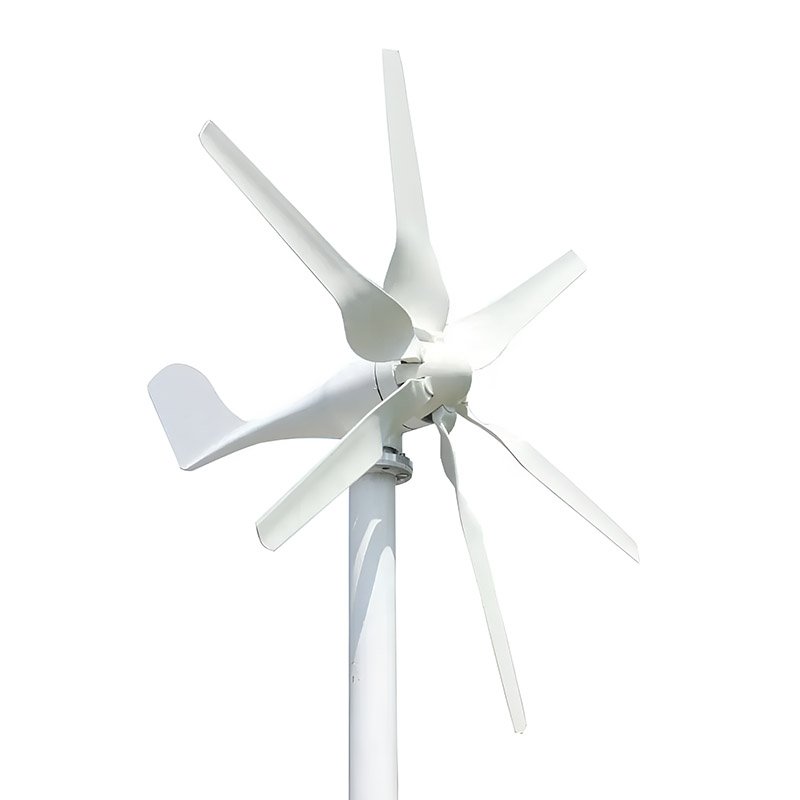
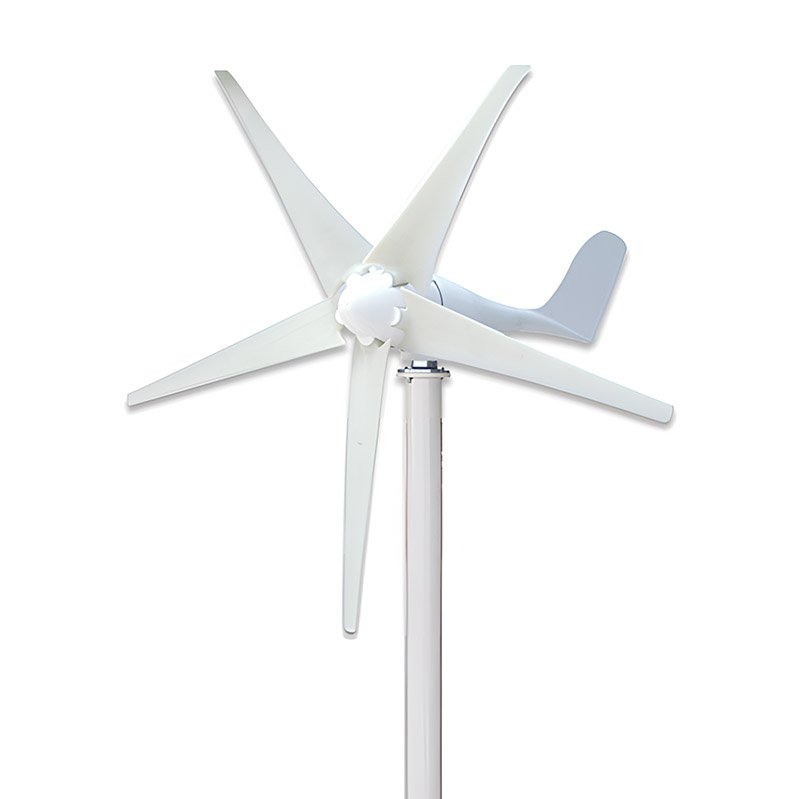
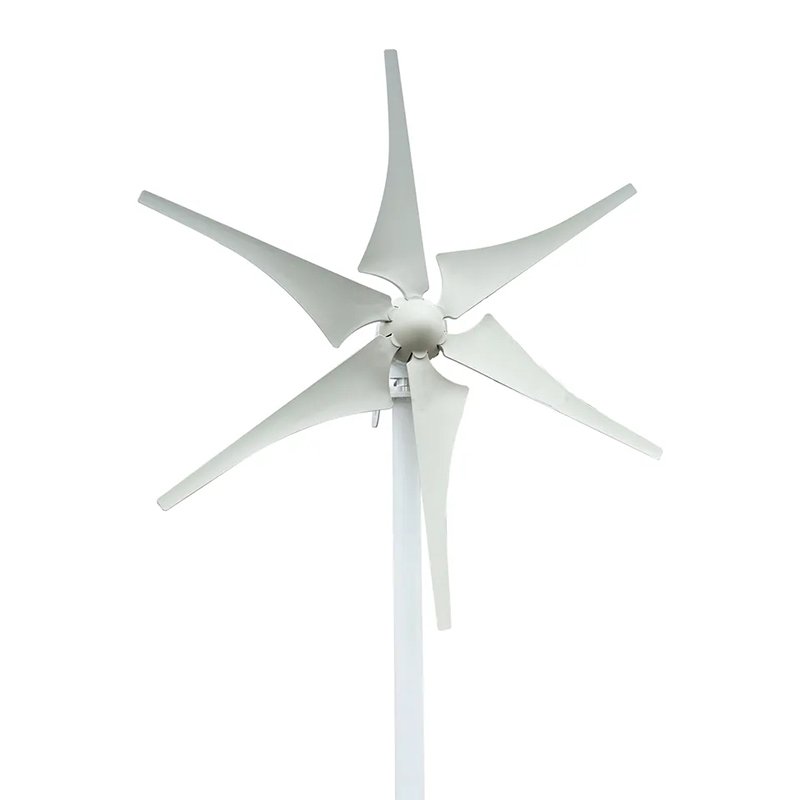
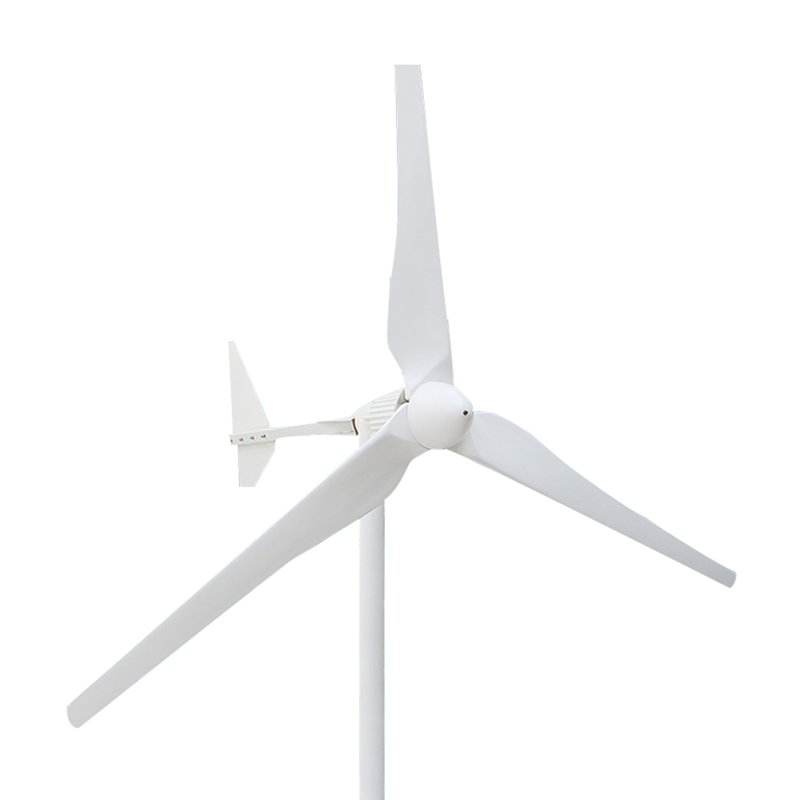
Rooftop Horizontal Wind Turbine for Homes
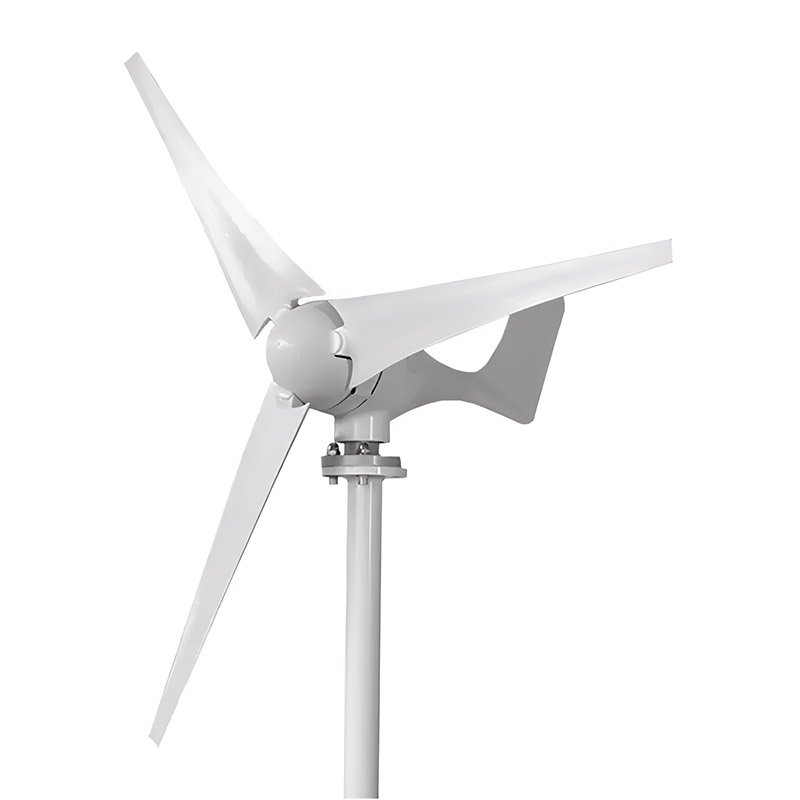
Looking for a clean and reliable energy source for your off-grid or grid-tied applications? Look no further than our innovative line of horizontal wind turbines (HWTs). These wind turbines capture the power of wind and convert it into usable electricity, offering a sustainable and cost-effective way to meet your energy needs.
- Low start-up wind speed of 2.5 m/s for efficient power generation in light breezes.
- Gearless direct-drive permanent magnet generator reduces maintenance and mechanical noise.
- Aerodynamic blades made from high-strength reinforced fiberglass and carbon fiber composites.
- Intelligent yaw control system that automatically adjusts to face the wind direction.
- Integrated electromagnetic braking and aerodynamic regulation for safety during high winds.
Description
Horizontal Wind Turbine technology by EPCOM represents the pinnacle of efficient renewable energy generation for residential and commercial applications. Designed to capture the maximum amount of kinetic energy from the wind, our systems convert natural breezes into reliable electricity, reducing dependence on traditional power grids. As global demand for sustainable power grows, investing in a high-performance horizontal axis wind turbine (HAWT) has become a strategic choice for homeowners, farms, and industrial sites looking to lower their carbon footprint and electricity bills.
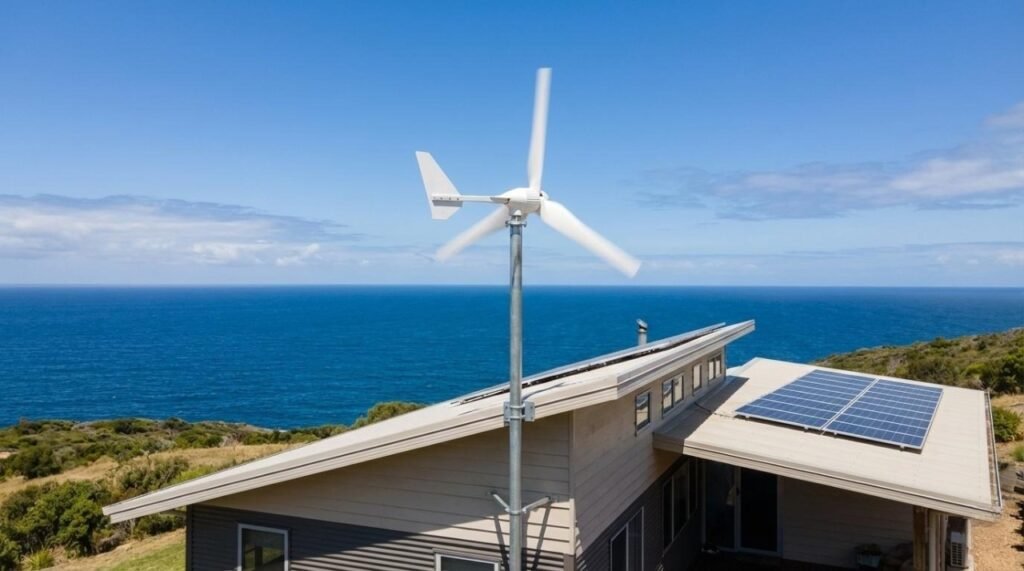
Advanced Engineering in our Horizontal Wind Turbine
The core of the EPCOM wind energy solution lies in its sophisticated aerodynamic design. Unlike older models, our modern horizontal wind turbine units feature blades crafted from reinforced fiberglass and carbon fiber composites. This material selection ensures that the blades are lightweight yet exceptionally strong, allowing them to start rotating at lower wind speeds while maintaining structural integrity during turbulent storms. Consequently, the system delivers a consistent power output across a broader range of weather conditions.
Moreover, the generator utilizes a direct-drive permanent magnet system. This eliminates the need for a gearbox, which is often the most vulnerable component in traditional turbines. By removing the gearbox, we significantly reduce mechanical friction and maintenance requirements. Therefore, our customers enjoy a quieter operation and a longer service lifespan, making this renewable energy solution a “install-and-forget” investment for remote locations.
Key Features of the EPCOM Horizontal Wind Turbine
Our commitment to quality ensures that every unit meets rigorous industrial standards. The EPCOM Horizontal Wind Turbine series is equipped with intelligent control systems that optimize performance in real-time. Whether you are in a coastal area with high gusts or an inland region with moderate breezes, the turbine adjusts its yaw to face the wind direction precisely. Key features include:
- Low Start-up Speed: The turbine begins generating power at wind speeds as low as 2.5 m/s, ensuring efficiency even on calm days.
- High-Efficiency Generator: Three-phase permanent magnet AC generator (PMG) ensures high conversion efficiency and low torque resistance.
- Robust Tower Structure: Galvanized steel towers provide excellent resistance against corrosion and harsh environmental elements.
- Safety Mechanisms: Integrated electromagnetic braking and aerodynamic speed regulation protect the turbine during hurricanes or excessive wind speeds.
Comparing Horizontal Wind Turbine vs Vertical Models
When choosing a wind energy system, customers often compare horizontal axis models with vertical wind turbines. While vertical units are excellent for turbulent urban environments where wind direction changes rapidly, the EPCOM Horizontal Wind Turbine excels in open spaces where laminar wind flow is available. Because the blades of a horizontal system are positioned to face the wind directly, they typically achieve a higher power coefficient. This means that for the same swept area, a horizontal unit generally produces more electricity, making it the preferred choice for maximum ROI in rural and suburban settings.
Technical Specifications of Horizontal Wind Turbine
To help you select the right model for your energy needs, we have compiled the detailed technical specifications of our primary series below. Please note that specific performance may vary based on local wind resources.
| Parameter | 1kW Model | 3kW Model | 5kW Model | 10kW Model |
|---|---|---|---|---|
| Rated Power | 1000W | 3000W | 5000W | 10000W |
| Start-up Wind Speed | 2.5 m/s | 2.5 m/s | 2.5 m/s | 3.0 m/s |
| Rated Wind Speed | 10 m/s | 11 m/s | 11 m/s | 12 m/s |
| Output Voltage | 24V / 48V | 48V / 96V | 120V / 220V | 220V / 380V |
| Rotor Diameter | 2.8 m | 4.0 m | 5.4 m | 8.0 m |
| Generator Type | Three-Phase Permanent Magnet AC Synchronous Generator | |||
| Blade Material | Reinforced Fiberglass Composite | |||
Diverse Applications for Horizontal Wind Turbine Systems
The versatility of the EPCOM Horizontal Wind Turbine allows it to be deployed in a wide variety of sectors. While residential energy independence is a primary use case, our turbines are also robust enough for industrial and agricultural applications. In remote farming communities, these turbines power irrigation pumps and processing equipment without the exorbitant cost of extending utility lines. Furthermore, telecommunication base stations located in off-grid mountains rely on our wind generators for uninterrupted power supply.
In addition to standalone applications, these turbines are excellent for grid-tied systems. By connecting the turbine to a high-quality on-grid inverter, users can feed excess electricity back into the public grid. This not only offsets energy costs but may also generate revenue through feed-in tariffs, depending on local government regulations. The ability to integrate seamlessly with existing electrical infrastructure makes our horizontal axis wind turbine a flexible solution for modern energy challenges.
Optimizing Energy with Hybrid Systems
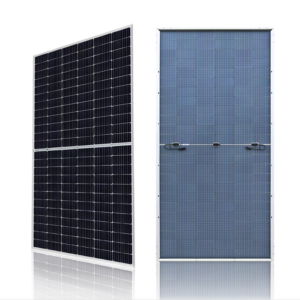
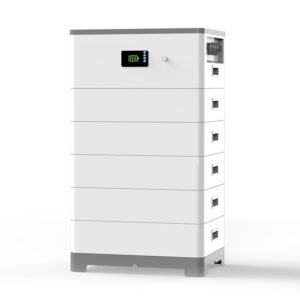
While wind energy is powerful, it is naturally intermittent. To ensure a 24/7 power supply, we highly recommend integrating your Horizontal Wind Turbine into a hybrid system. By combining the turbine with polycrystalline solar panels, you can harness solar energy during the day and wind energy during the night or stormy weather. This complementary relationship significantly reduces the required battery bank size and ensures that your home or business remains powered even during extended periods of low wind or cloud cover.
Installation and Maintenance Guidelines
Proper installation is critical for the safety and efficiency of any Horizontal Wind Turbine. EPCOM provides comprehensive installation manuals and support to ensure your system is set up correctly. We recommend selecting a site with minimal obstructions, such as tall trees or buildings, to ensure smooth airflow. The tower height should be sufficient to elevate the rotor above turbulent air layers near the ground. For maintenance, our direct-drive design simplifies the process. An annual visual inspection of the blades and a check of the electrical connections are typically all that is required to keep the system running at peak performance.
In conclusion, the EPCOM Horizontal Wind Turbine offers a robust, efficient, and sustainable power solution for a wide range of applications. Whether you are looking to power an off-grid cabin, reduce commercial electricity costs, or build a resilient hybrid energy system, our advanced wind technology delivers reliable results. Join the renewable energy revolution today with EPCOM and take control of your power future.