

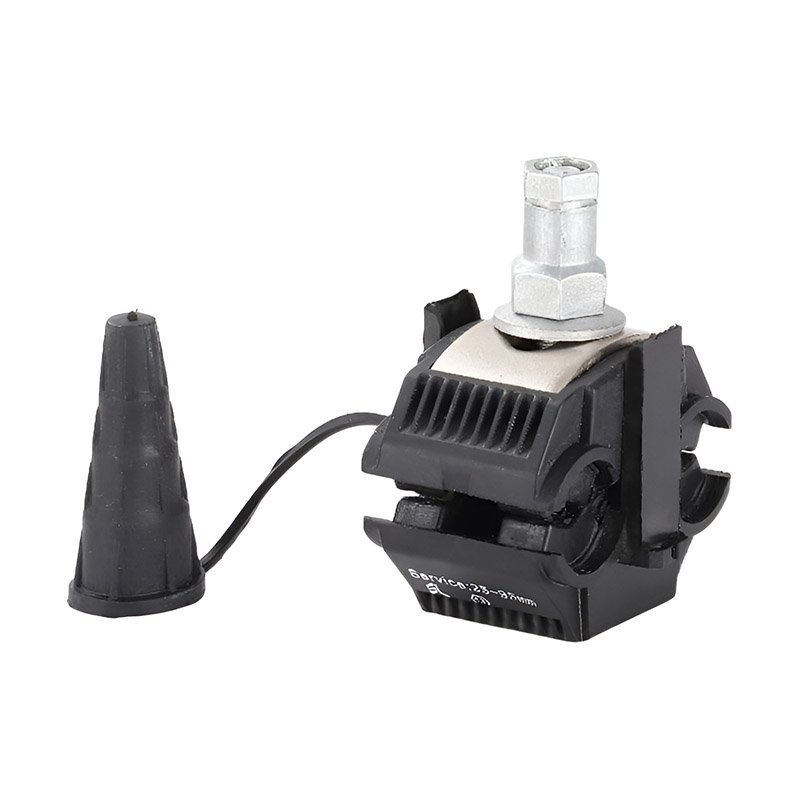
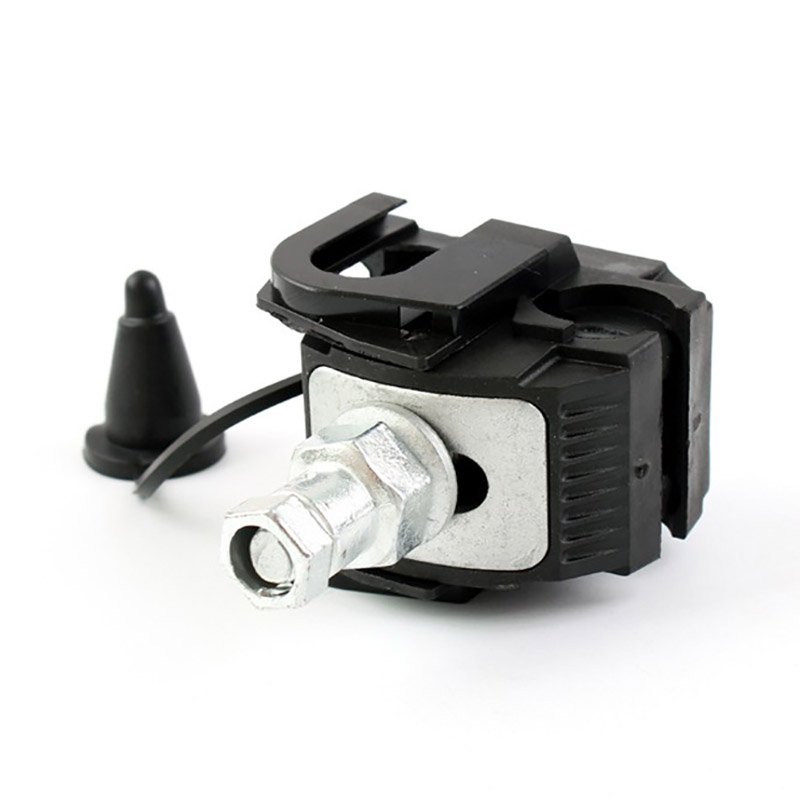
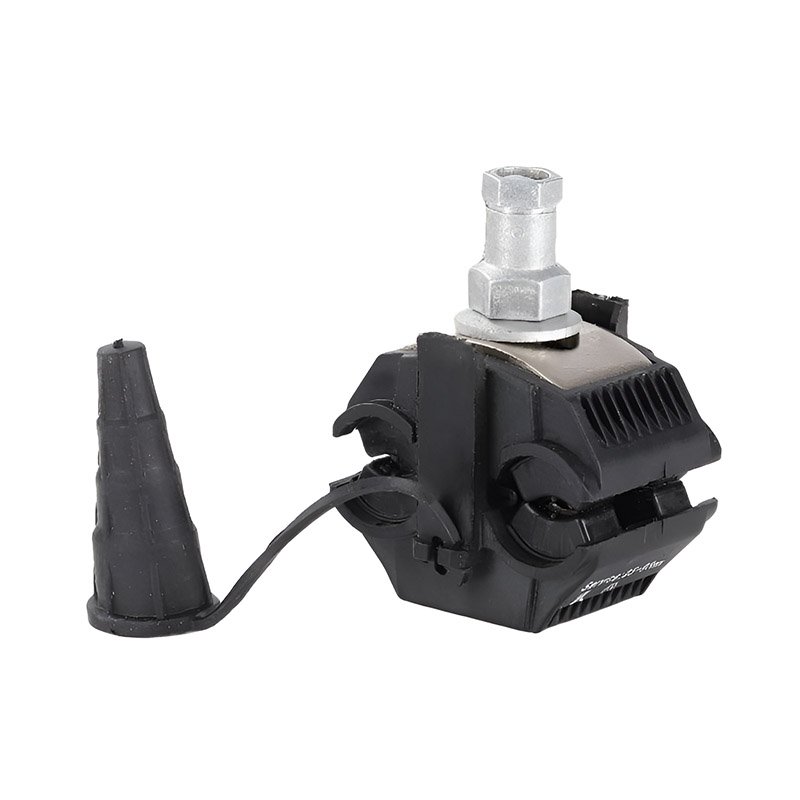
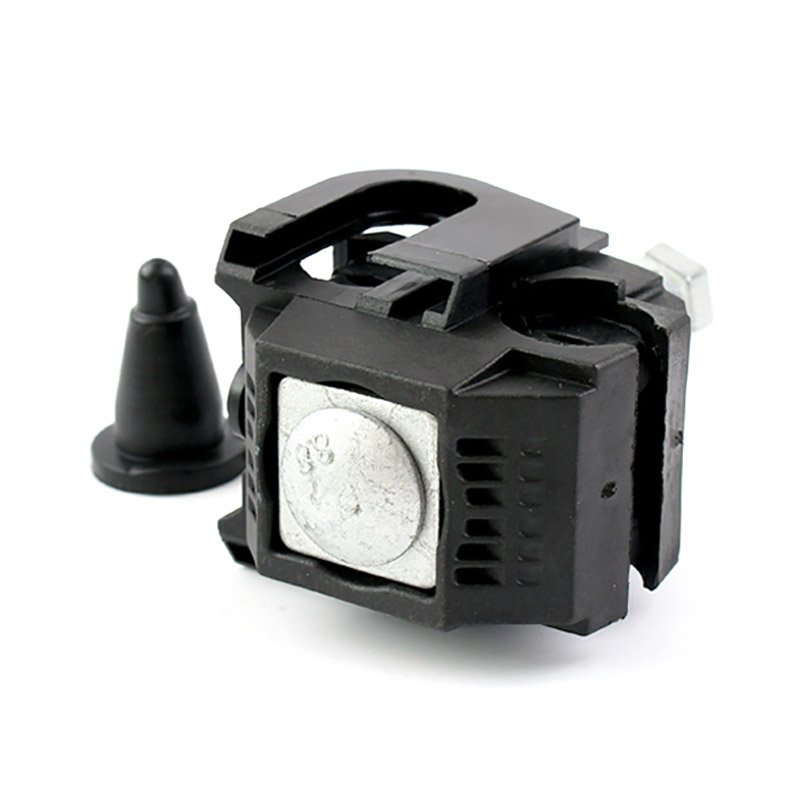
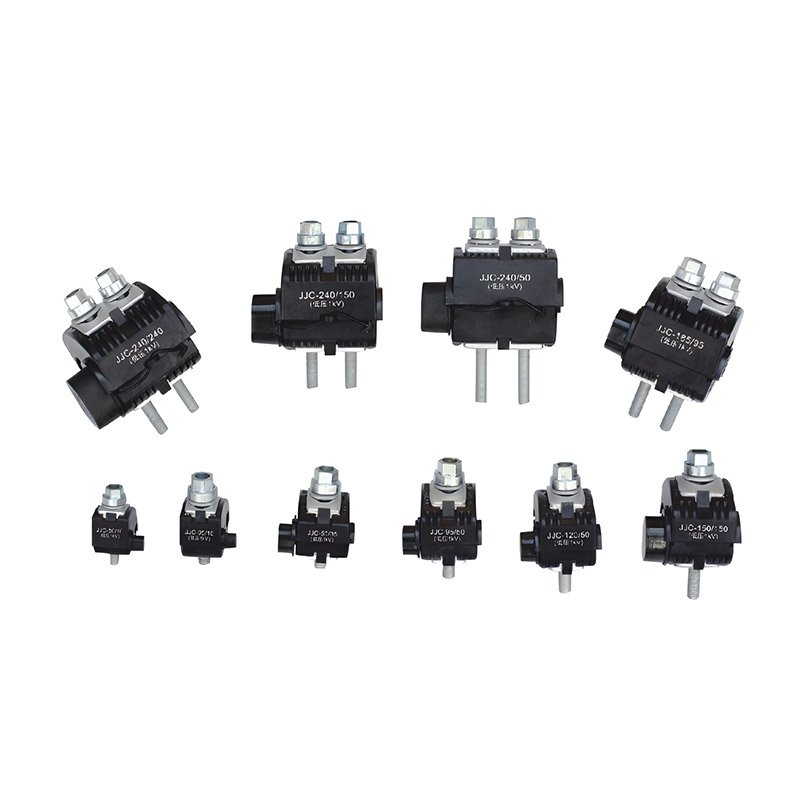
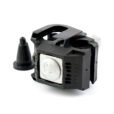
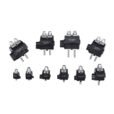
JJC Insulation Piercing Connector
JJC Insulation Piercing Connectors are designed for reliable and efficient connections of electrical wires in various applications, including power distribution, lighting systems, and industrial controls. These versatile connectors offer a range of benefits, making them a popular choice for electricians and contractors worldwide.
- Requires **No Insulation Stripping**, saving time and preventing conductor damage.
- Equipped with a **Shear-Head Bolt** to guarantee correct tightening torque every time.
- Achieves **Superior Waterproofing** (IP67 or higher) with integrated seals and dielectric grease.
- Allows for **Live-Line Installation** by a qualified professional for enhanced safety.
- Features Tinned Blades for **Versatility** with both Aluminum and Copper conductors.
Description
The JJC Insulation Piercing Connector represents a significant advancement in electrical engineering, providing a fast, reliable, and waterproof method for creating T-connections and taps in low-voltage (LV) insulated overhead lines and service cables. As modern power distribution networks demand greater efficiency and safety, traditional connection methods, which require meticulous insulation stripping and complex sealing, are becoming obsolete. EPCOM is at the forefront of this technological shift, offering a robust portfolio of connectors designed for superior performance.
This comprehensive guide explores the technology, applications, specifications, and advantages of the JJC Insulation Piercing Connector (IPC). Whether you are a utility engineer, a contractor, or a procurement specialist, this article provides the essential information needed to understand why this component is critical for today’s electrical infrastructure.
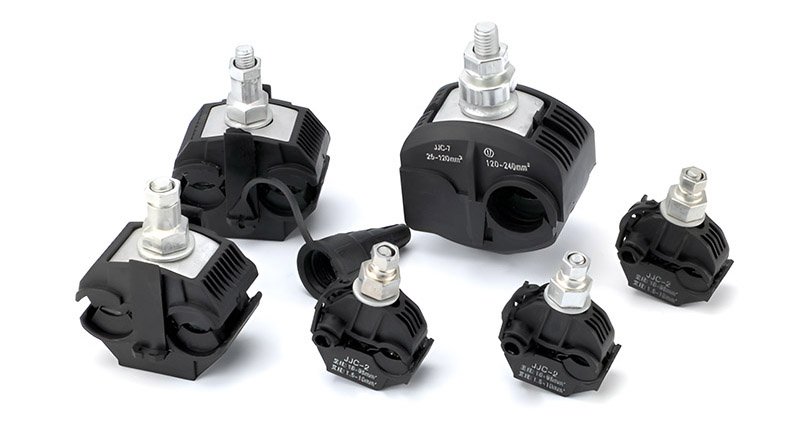
What is a JJC Insulation Piercing Connector?
A JJC Insulation Piercing Connector is a specialized electrical component used to establish a connection between a main (run) conductor and a tap (branch) conductor without removing the insulation from either cable. This “insulation piercing” technology is its defining feature.
The connector is equipped with specially designed, high-conductivity blades. When the connector’s bolt is tightened, these blades safely penetrate the cable’s insulation to make direct, solid contact with the conductor core. Simultaneously, a high-quality sealing grease (pre-filled in the contact area) and a robust rubber seal protect the new connection point. This design ensures a completely waterproof (IP67/IP68) and corrosion-resistant joint, which is vital for the long-term reliability of overhead and underground electrical systems.
Key Specifications of the JJC Insulation Piercing Connector
While specific models vary, the core design of the JJC Insulation Piercing Connector family adheres to rigorous performance standards. The following table outlines the typical specifications customers can expect from EPCOM’s high-quality connectors.
| Parameter | Specification / Description |
|---|---|
| Connector Body Material | High-strength, UV-resistant, glass-fiber reinforced polymer (PA66). Ensures durability against weather and mechanical stress. |
| Contact Blades Material | Tinned Copper or Aluminum Alloy. Provides excellent conductivity and high resistance to galvanic corrosion. |
| Applicable Conductors | Suitable for both Aluminum (Al) and Copper (Cu) conductors, including main and tap lines. |
| Voltage Rating | Typically rated for 0.6/1kV (Low Voltage systems). |
| Tightening Mechanism | Equipped with a shear-head nut or bolt. This ensures the correct tightening torque is applied every time, eliminating guesswork. |
| Waterproofing | Achieves IP67 or higher. Fully sealed against water ingress, even when submerged. Contains neutral grease to prevent oxidation. |
| Compliance Standards | Designed and tested according to international standards such as NFC 33-020, CENELEC EN 50483, and IEC 61238-1. |
| End Cap | Flexible end cap (often attached) to seal the cut end of the tap conductor. |
Core Features and Advantages
The widespread adoption of insulation piercing connectors stems from a clear set of benefits that directly address the challenges of field installation.
- No Insulation Stripping: The primary advantage. This saves significant time and labor during installation and eliminates the risk of conductor damage (nicking) from stripping tools.
- Enhanced Safety: Many IPCs are designed to be installed “hot-line” (on energized cables) by a qualified professional, as the insulated body and lack of exposed conductors reduce the risk of electric shock.
- Guaranteed Torque: The shear-head bolt system is foolproof. The nut shears off precisely when the optimal contact pressure is achieved, ensuring a stable, low-resistance connection and preventing over-tightening.
- Superior Waterproofing: The combination of integrated rubber seals and dielectric grease creates a connection point that is impervious to moisture, dust, and environmental contaminants, drastically reducing the chance of failure.
- Versatility: These connectors are designed to handle a wide range of conductor sizes (both main and tap) and can be used on mixed-conductor systems (e.g., aluminum main to copper tap) thanks to the tinned blades.
Applications of the JJC Insulation Piercing Connector
The versatility of the JJC Insulation Piercing Connector makes it an ideal solution for numerous applications in modern power networks.
1. Aerial Bundled Conductor (ABC) Systems
This is the most common application. IPCs are the standard method for creating service taps from Aerial Bundled Conductor (ABC) main lines. They allow for quick and secure connection of service cables running to homes, businesses, or streetlights without compromising the integrity of the main bundled cable.
2. Street Lighting and Public Infrastructure
Connecting streetlights, traffic signals, and other public utilities to the main LV network is simplified. The waterproof design ensures long-term operation in all weather conditions, which is essential for public safety and infrastructure reliability.
3. Service Taps and Building Connections
When providing power to a new building, an IPC allows for a simple, non-intrusive tap-off from the overhead or underground service line. This “live-line” capability often means connections can be made without disrupting power to neighboring properties.
4. Cable Jointing and Repair
While not their primary use, IPCs can be employed in certain low-voltage repair situations or to create parallel joints, offering a flexible solution for field technicians.
How to Install a JJC Insulation Piercing Connector
While installation should always be performed by a trained technician, the process is straightforward and designed for efficiency.
- Preparation: Identify the correct connector size for the main and tap conductor cross-sections. Clean any heavy dirt from the cable insulation.
- Insert Conductors: Open the connector (if required) and insert the main conductor without cutting it. Insert the tap conductor into its designated port, ensuring it reaches the end stop.
- Tightening: Use a standard socket wrench to tighten the shear-head bolt. Hold the insulated body of the connector steady.
- Shear-Off: Continue tightening until the pre-calibrated nut shears off. This “click” indicates the correct torque has been applied and the blades have made optimal contact.
- Finalize: Secure the flexible end cap over the end of the tap conductor to complete the waterproof seal. The connection is now complete and energized.
EPCOM’s Commitment to Reliable Connectivity
At EPCOM, we understand that every connection matters. The reliability of a power grid is only as strong as its weakest link. That is why our entire range of electrical connectors, from the JJC Insulation Piercing Connector to other specialized components, is manufactured to meet and exceed the highest international standards. Our rigorous quality control processes ensure that every product leaving our facility provides the safety, durability, and performance our clients demand.
We invite you to explore our related product lines that complement our IPCs and provide a complete solution for your network infrastructure needs:
- TTD Insulation Piercing Connector: Discover another series of our advanced IPCs, featuring different designs and specifications.
- JBTL Parallel Groove Connector: For applications involving bare conductors, our parallel groove connectors offer exceptional clamping force and reliability.
- SYG Terminal Clamp: Explore our solutions for terminating and clamping conductors in substation and equipment connections.
Frequently Asked Questions (FAQ)
What are the main standards for a JJC Insulation Piercing Connector?
High-quality connectors are tested for electrical, mechanical, and environmental performance. The most recognized international standard is IEC 61238-1 (Compression and mechanical connectors for power cables), which includes rigorous aging and load-cycling tests. NFC 33-020 (a French standard) is also a key benchmark specifically for waterproof insulation piercing connectors.
Can these connectors be used underground?
Yes. Connectors with an IP67 or IP68 rating are designed to be fully waterproof and are suitable for direct burial applications, provided all installation instructions are followed correctly.
Are insulation piercing connectors reusable?
No. The key safety and reliability feature—the shear-head bolt—is a single-use component. Once the head has sheared off, the connector cannot be properly re-torqued or removed for re-application. This is by design to guarantee the integrity of every connection.
What is the difference between connectors for aluminum and copper?
The primary concern is galvanic corrosion. EPCOM’s JJC Insulation Piercing Connectors use high-quality tinned blades. The tin plating acts as a neutral interface, preventing direct contact between aluminum and copper and inhibiting the electrochemical reaction that leads to corrosion and connection failure.
For more information, to request a quote, or to discuss your specific project needs, please contact the EPCOM team today. We are your partners in reliable power distribution.


