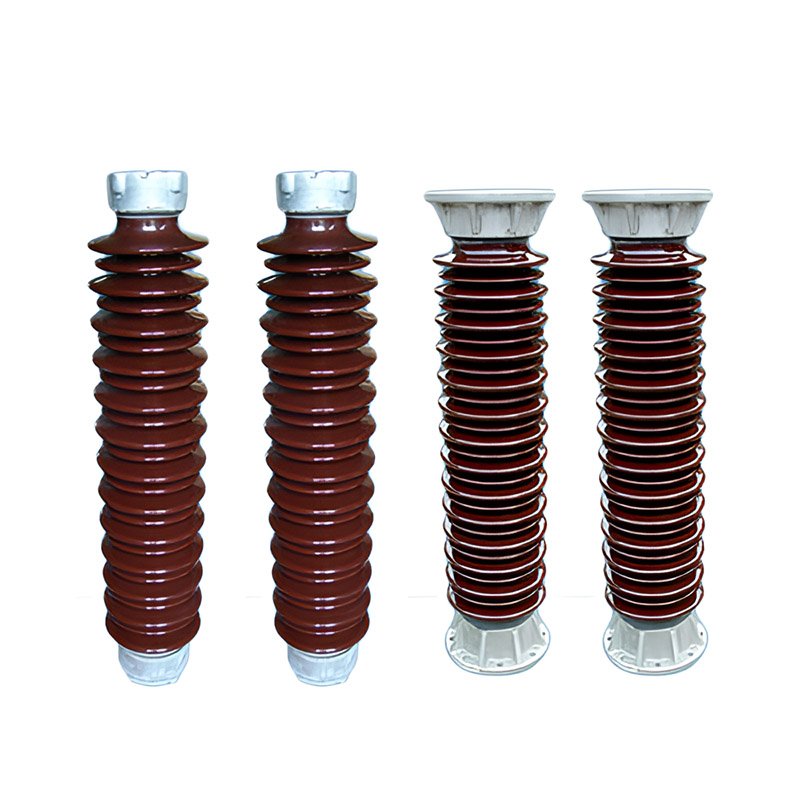
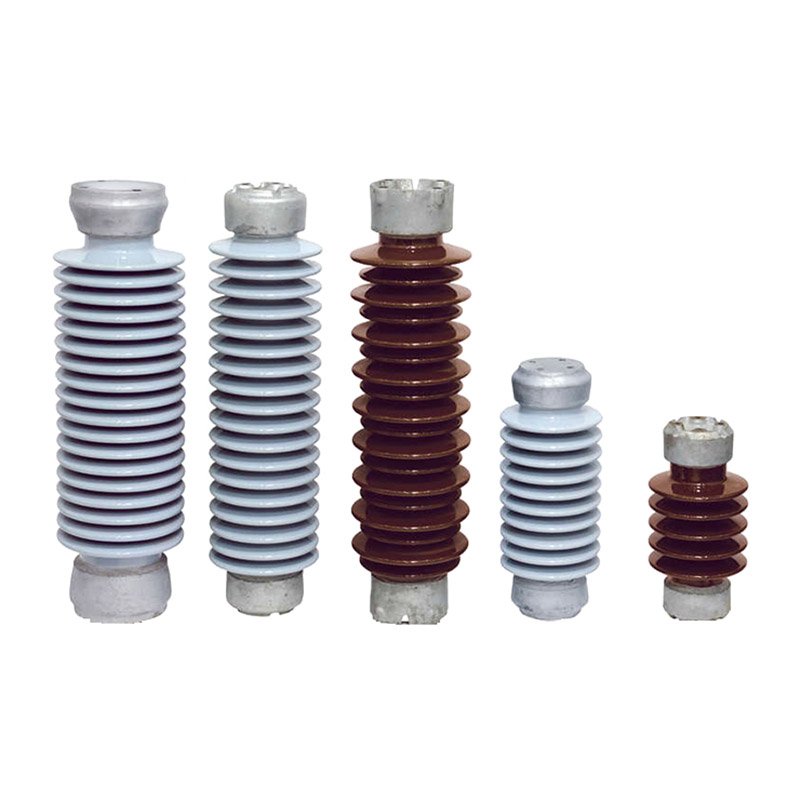
Porcelain Post Insulator for High Voltage Stations
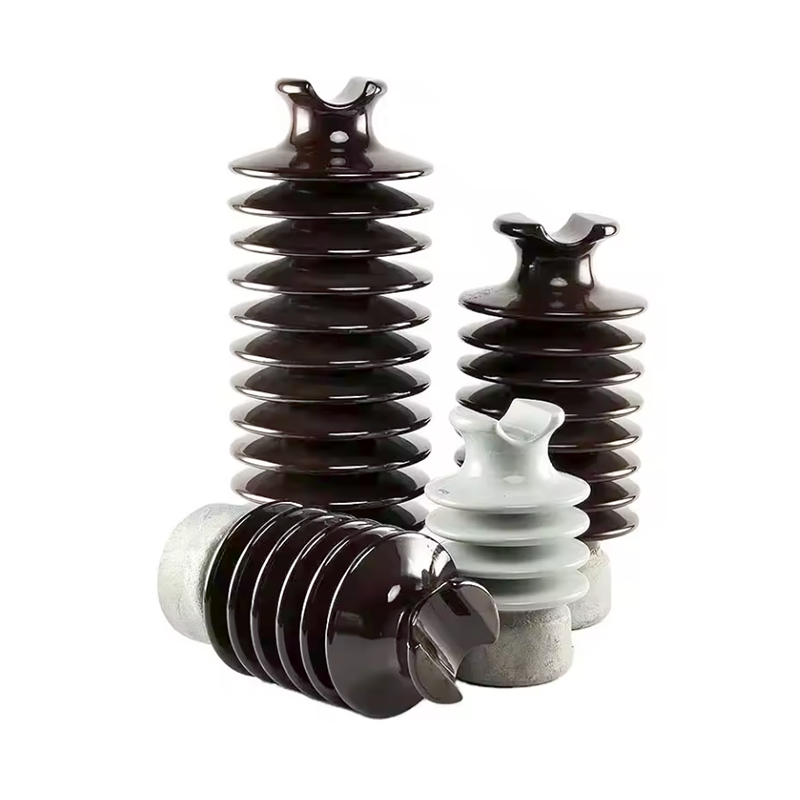
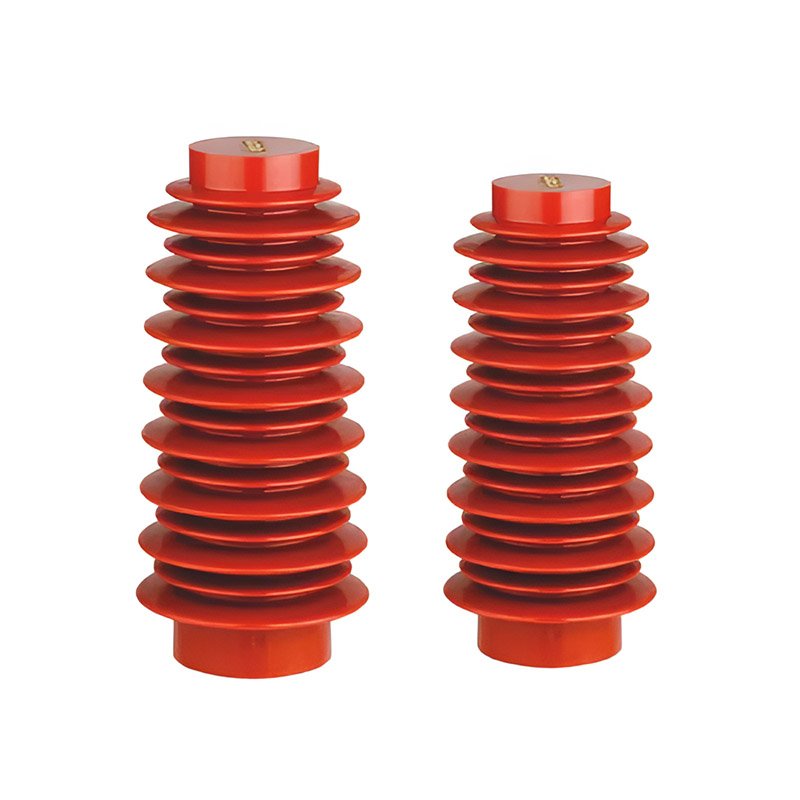
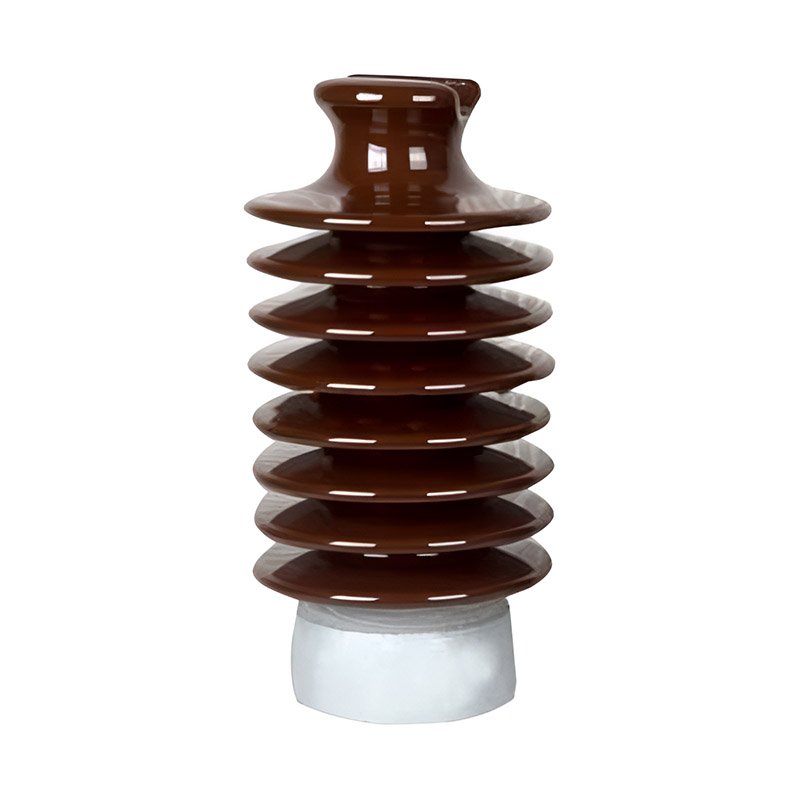
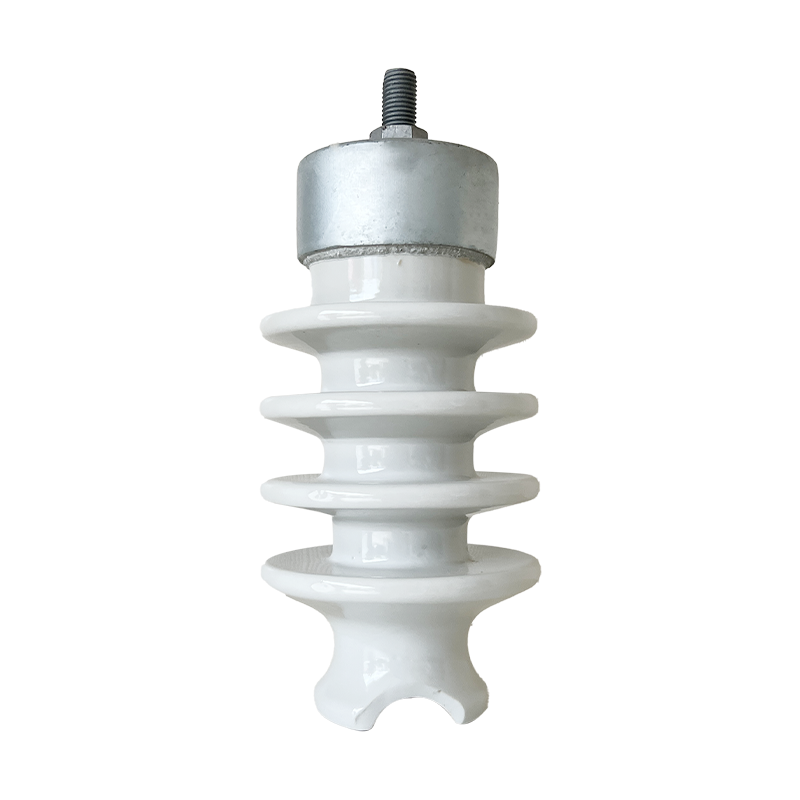
Porcelain post insulators are a type of electrical insulator that is commonly used in power transmission and distribution systems. They are made of high-quality porcelain, which is a non-conductive material that is resistant to weathering and corrosion. Porcelain post insulators are designed to isolate electrical conductors from grounded structures, preventing the flow of electricity and ensuring the safety of workers and equipment.
- High-grade alumina porcelain construction ensures exceptional dielectric strength and puncture resistance.
- Aerodynamic shed design facilitates natural self-cleaning to prevent flashovers in polluted environments.
- Superior mechanical integrity capable of supporting heavy cantilever and compressive loads in substations.
- Corrosion-resistant metal fittings with high-performance cementing for long-term outdoor stability.
- Excellent thermal stability designed to withstand extreme temperature cycles without structural cracking.
Description
Porcelain Post Insulator units manufactured by EPCOM serve as critical components in modern electrical infrastructure, ensuring the structural integrity and electrical isolation of high-voltage transmission lines and substation equipment. These insulators are engineered from high-grade alumina porcelain to withstand extreme mechanical loads and harsh environmental conditions. By providing a stable platform for conductors and switchgear, they prevent electrical leakage and minimize power loss across the grid. EPCOM maintains a rigorous quality control process, ensuring each unit meets international standards such as IEC and ANSI.
In the global energy sector, the demand for reliable insulation continues to rise as grids expand into remote areas. EPCOM addresses this need by offering a comprehensive range of stationary insulators designed for vertical and horizontal mounting. Our commitment to excellence involves using advanced glazing techniques that enhance surface resistance against pollution, moisture, and ultraviolet radiation. This durability reduces maintenance costs and extends the operational lifespan of power plants and distribution centers worldwide.
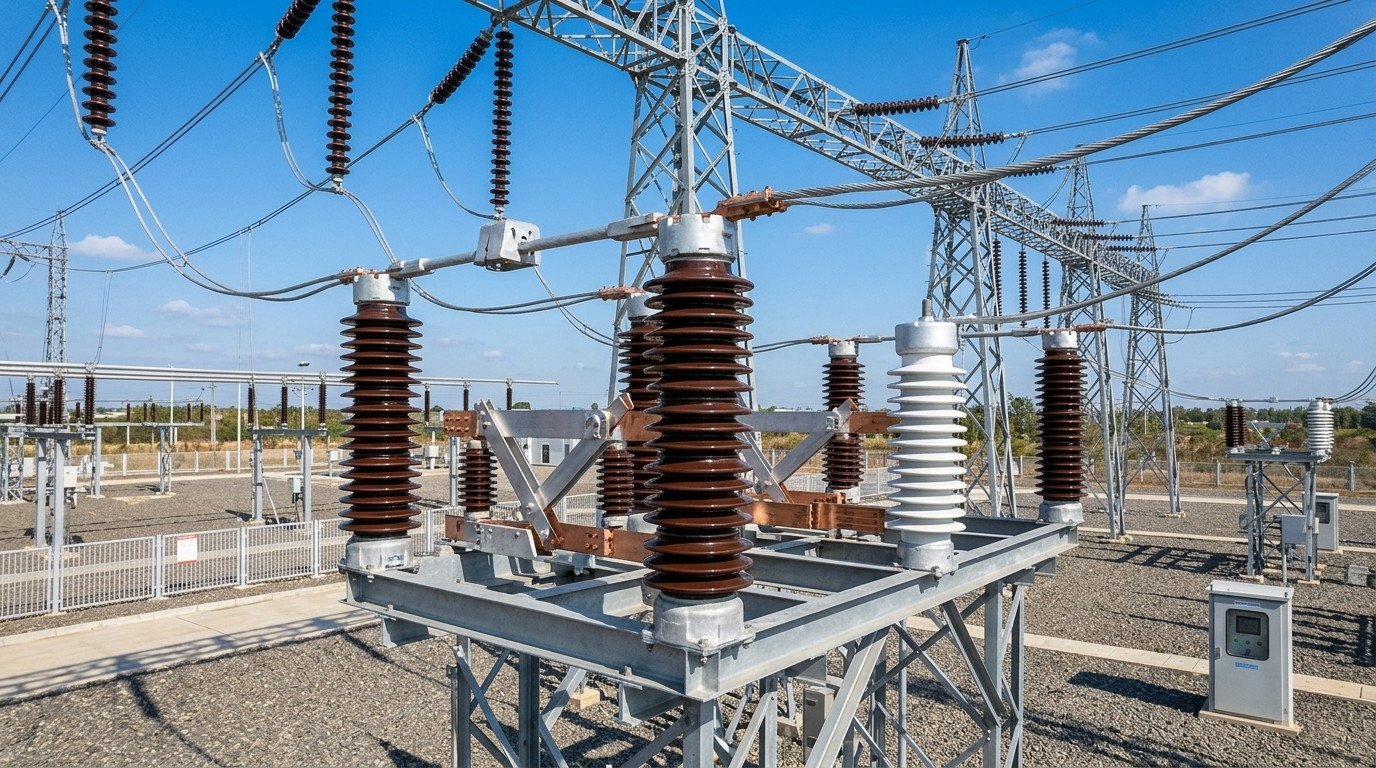
Primary Functions of the Porcelain Post Insulator
The primary role of this equipment is to support busbars and provide rigid insulation for outdoor switchyards. EPCOM designs these products to handle cantilever, tensile, and compressive stresses simultaneously. Due to their solid-core or multi-cone construction, they offer superior resistance to puncture compared to other insulation methods. Furthermore, the aerodynamic shed design promotes natural cleaning by rainwater, which is essential for preventing flashovers in coastal or industrial regions where salt and dust accumulation is prevalent.
Reliability in high-voltage environments depends on the quality of the raw materials. EPCOM sources premium clays and minerals to produce a dense, non-porous ceramic body. This material selection ensures that the Porcelain Post Insulator maintains its dielectric strength even under fluctuating thermal cycles. Consequently, utilities can depend on these units for long-term stability in both AC and DC applications.
Mechanical Strength of Porcelain Post Insulator Systems
Mechanical performance is a cornerstone of substation safety. Each unit undergoes cantilever strength testing to ensure it can support the weight of heavy aluminum conductors and the dynamic forces of wind and ice. Beyond post insulators, EPCOM also provides specialized solutions such as the Porcelain Suspension Insulator for tension strings, allowing for a versatile approach to line design. The integration of high-strength hardware fittings further enhances the load-bearing capacity of the entire assembly.
Transitioning from mechanical support to electrical protection, it is vital to consider the impulse withstand voltage. EPCOM ensures that every product exceeds the required Basic Insulation Level (BIL) for its specific voltage class. This provides a safety margin against lightning strikes and switching surges, which are common causes of grid failure. By maintaining strict manufacturing tolerances, we guarantee that the fittings align perfectly with existing substation frameworks.
Porcelain Post Insulator Technical Specifications
To assist engineers in the selection process, EPCOM provides detailed technical data for various voltage ratings. The following table outlines the standard parameters for our most popular station post models. Please note that custom configurations are available upon request to meet specific project requirements or regional grid codes.
| Parameter Description | 11kV Class | 33kV Class | 66kV Class | 132kV Class |
|---|---|---|---|---|
| Rated Voltage (kV) | 12 | 36 | 72.5 | 145 |
| Cantilever Strength (kN) | 4.0 – 8.0 | 4.0 – 12.5 | 8.0 – 16.0 | 10.0 – 20.0 |
| Creepage Distance (mm) | 300 | 900 | 1800 | 3625 |
| Lighting Impulse (BIL) (kV) | 75 | 170 | 325 | 650 |
| Standard Height (mm) | 210 | 460 | 770 | 1500 |
Effective insulation coordination involves matching these parameters with the conductor types used in the circuit. For instance, when utilizing ACSR Conductors, the mechanical tension exerted on the post must be carefully calculated. EPCOM provides engineering support to ensure that the chosen Porcelain Post Insulator aligns with the sag and tension requirements of the specific transmission span.
Material Excellence and Manufacturing Process
The longevity of a Porcelain Post Insulator is determined during the firing process in the kiln. EPCOM employs computer-controlled temperature cycles to achieve a uniform vitreous state. This eliminates internal voids that could lead to electrical tracking or mechanical failure. The glaze applied to the surface is not merely decorative; it serves as a protective barrier against chemical pollutants. According to IEEE technical standards, high-quality glazing significantly improves the performance of ceramic insulators in high-humidity zones.
Furthermore, the cementing process for the metal caps and bases uses high-performance Portland cement mixed with specialized additives. This ensures a consistent bond between the ceramic body and the ductile iron or aluminum fittings. EPCOM inspects every joint using ultrasonic testing to confirm the absence of air pockets or fractures. Such attention to detail guarantees that our insulators can endure decades of service without degradation.
Installation and Maintenance Benefits
The modular nature of the Porcelain Post Insulator allows for straightforward installation on steel structures or concrete pedestals. EPCOM designs the base plates with standardized hole patterns to facilitate quick replacement of legacy units. During installation, it is important to ensure that the mounting surface is level to prevent uneven stress distribution. Proper handling is also emphasized to avoid chipping the porcelain sheds, which could compromise the creepage distance.
Maintenance requirements for these units are minimal due to their self-cleaning properties. However, periodic visual inspections are recommended to check for signs of corona discharge or physical damage from external impacts. In areas with extreme pollution, washing the insulators with deionized water can restore their original dielectric performance. EPCOM also suggests using a Stay Insulator in supporting guy wires to maintain the overall stability of the pole or tower structure.
Applications in Diverse Electrical Networks
From urban substations to heavy industrial complexes, the Porcelain Post Insulator is indispensable. They are widely used in air-break switches, capacitor banks, and transformer bushings. EPCOM has successfully supplied these products to utilities in over thirty countries, proving their adaptability to varied climates—from tropical heat to arctic cold. The high thermal mass of porcelain ensures that rapid temperature fluctuations do not cause cracking, a common issue with composite alternatives.
Moreover, the chemical inertness of porcelain makes these insulators ideal for use in industrial areas where corrosive gases are present. Unlike polymers, porcelain does not suffer from “tracking” or “erosion” when exposed to persistent leakage currents. This makes the EPCOM product line the preferred choice for long-term infrastructure investments where reliability is the highest priority.
Environmental Impact and Sustainability
EPCOM is dedicated to sustainable manufacturing practices. Porcelain is a natural material derived from earth-mined minerals, making it 100% recyclable at the end of its long service life. Unlike synthetic insulators, ceramic units do not release microplastics or toxic chemicals as they weather. By choosing a Porcelain Post Insulator, utilities contribute to a circular economy while ensuring the safety of their power delivery systems.
In conclusion, the EPCOM range of station post insulators represents the pinnacle of traditional ceramic engineering combined with modern quality standards. Whether you are upgrading an existing substation or designing a new high-voltage line, our products offer the durability and performance needed to succeed. For more information on international testing protocols, you can refer to the International Electrotechnical Commission website for global insulation benchmarks.
For inquiries regarding bulk orders, custom specifications, or technical consultations, please contact the EPCOM engineering team. We are committed to providing the most reliable insulation solutions to power the world’s progress safely and efficiently.