

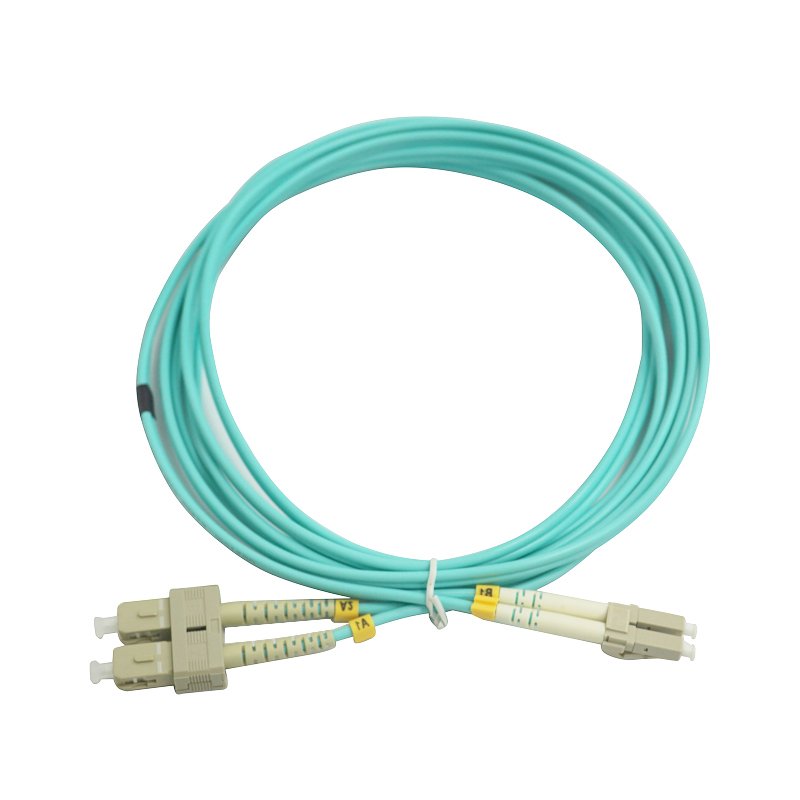
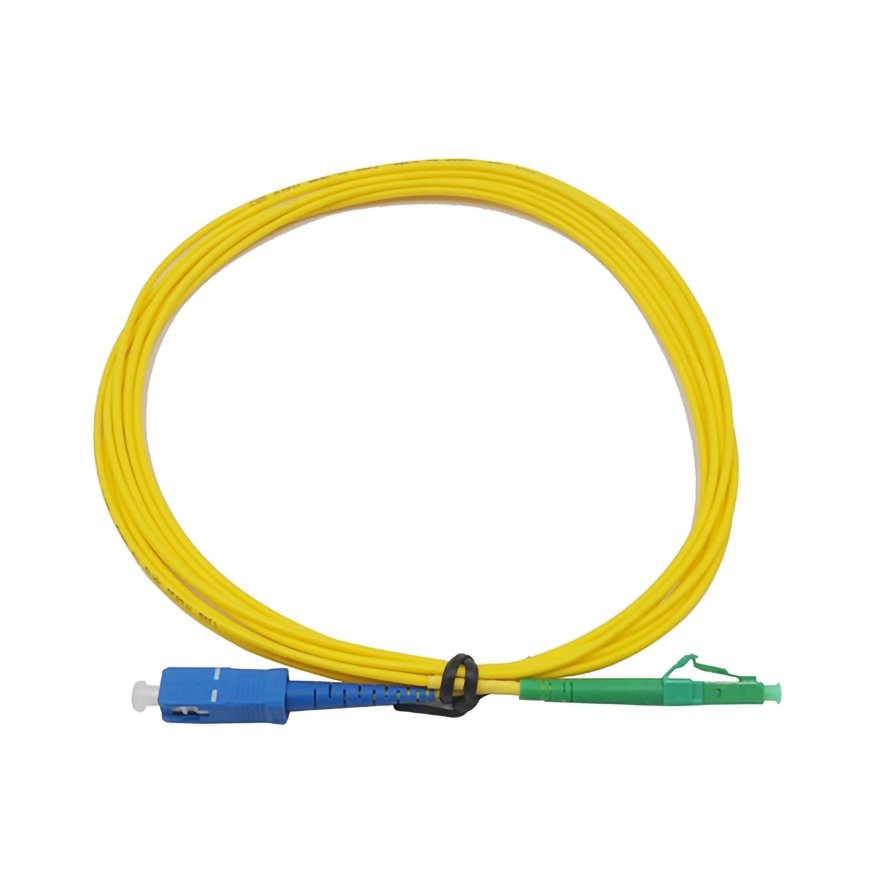
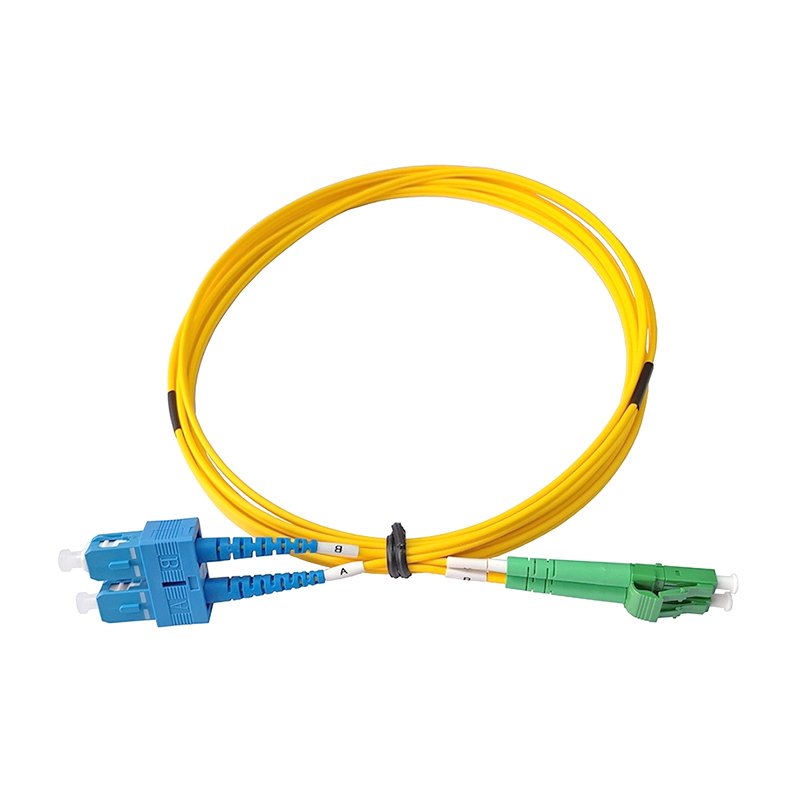
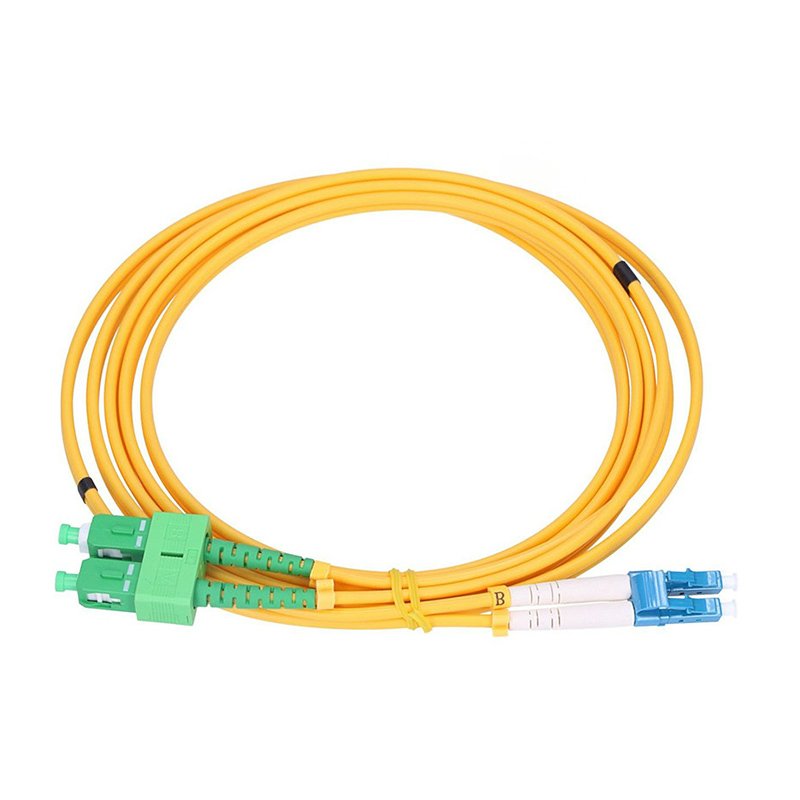
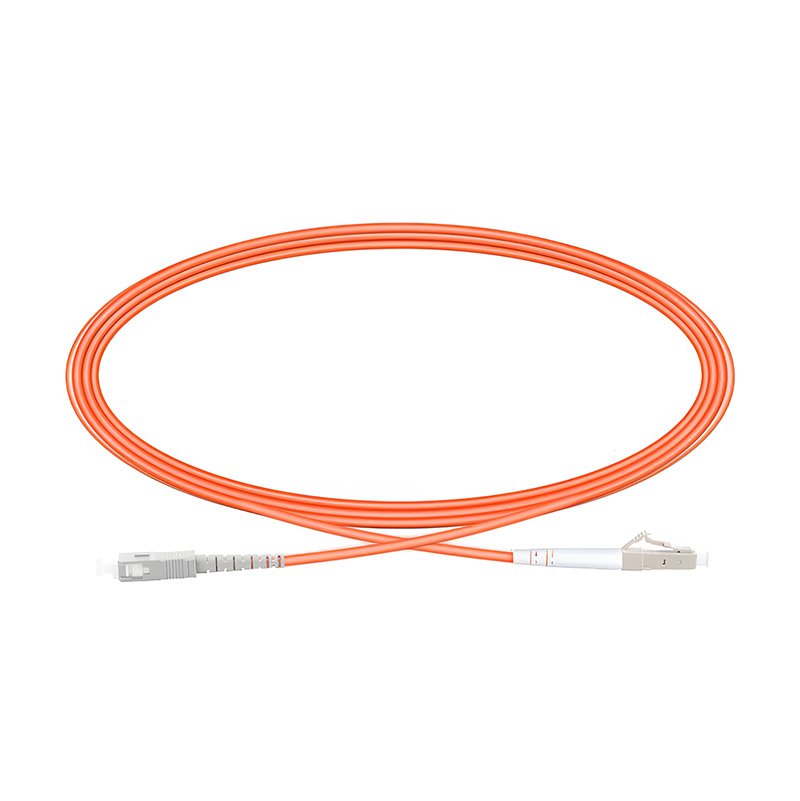
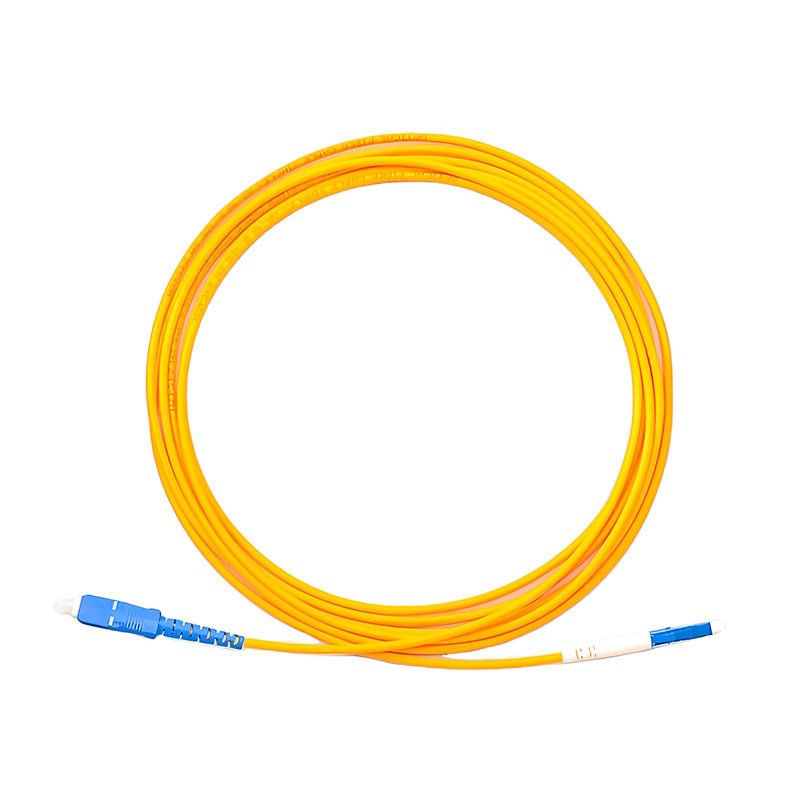
SC-LC Patch Cord for FTTH & Telecom Systems
SC to LC Patch Cord is a type of fiber optic cable that is used to connect two fiber optic connectors together. It is commonly used in data centers, telecommunications networks, and other applications where high-speed data transmission is required.
- Superior connectivity with low insertion loss and high return loss for stable data transmission
- High-density design combining secure SC push-pull locking with space-saving LC connectors
- Exceptional durability using LSZH or PVC jackets and precision ceramic ferrules
- Advanced G.657.A2 bend-insensitive fiber technology for tight routing without signal loss
- Strict quality assurance including 3D interferometry testing and full batch traceability
Description
SC-LC Patch Cord solutions by EPCOM are engineered to deliver superior connectivity in high-density data environments. As infrastructure demands grow, the need for reliable optical fiber links becomes paramount. Our patch cables ensure low insertion loss and high return loss, facilitating seamless data transmission across complex network architectures. By utilizing premium-grade optical fibers, we provide a robust foundation for telecommunication systems, local area networks, and data centers globally.
Connectivity excellence defines our production philosophy. Every assembly undergoes rigorous testing to meet international standards such as IEC and TIA/EIA. This commitment to quality minimizes downtime and optimizes signal integrity. Furthermore, our manufacturing process integrates precision ceramic ferrules to maintain exact alignment between fiber cores. Consequently, users experience consistent performance even after multiple mating cycles.
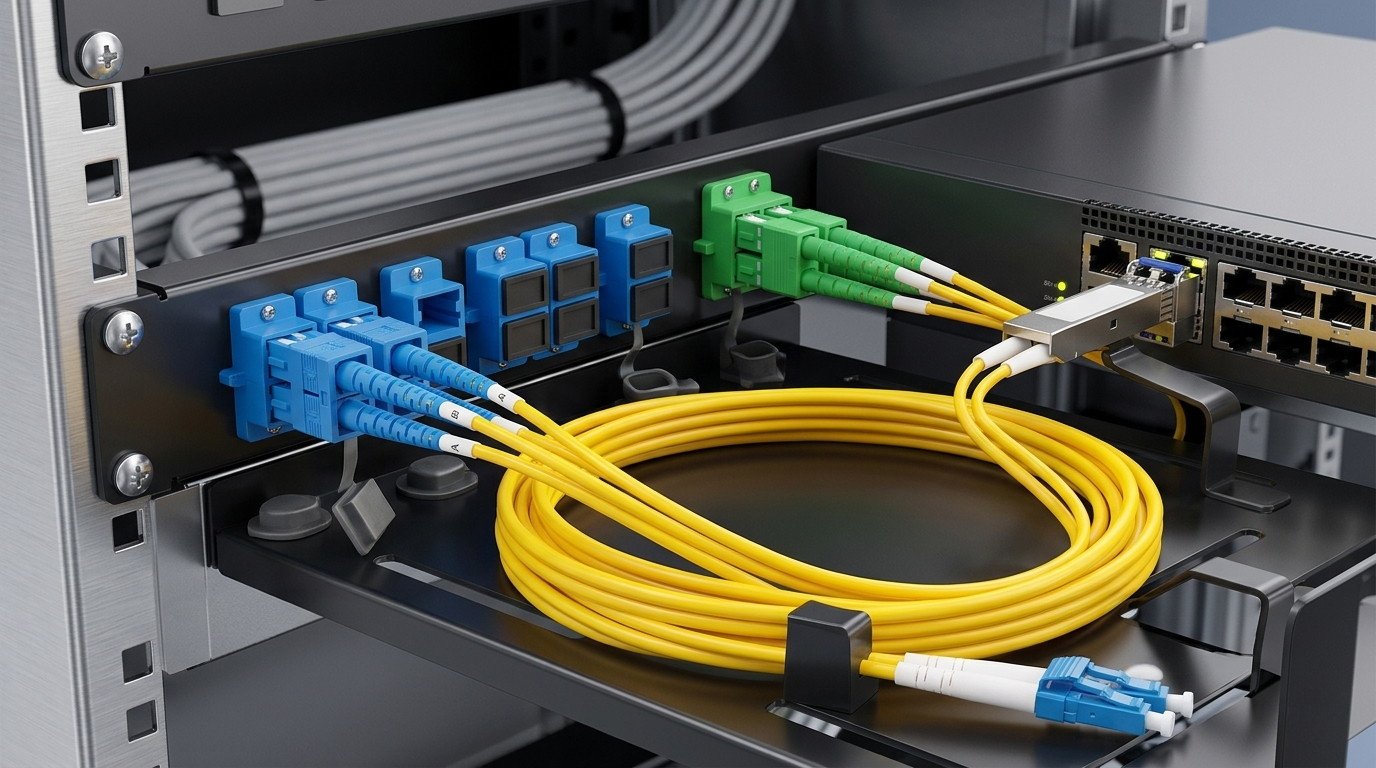
Advanced Performance of SC-LC Patch Cord
The SC-LC Patch Cord serves as a critical bridge between different connector interfaces. The SC (Subscriber Connector) end features a push-pull locking mechanism, providing a secure and audible engagement. Conversely, the LC (Lucent Connector) side utilizes a small form factor design, which is ideal for high-density applications in switches and routers. This combination allows network administrators to transition from legacy hardware to modern, space-efficient equipment without compromising link stability.
To achieve optimal results, pairing these cables with high-quality components is essential. For instance, our SC Single Mode Adapter offers the perfect mating sleeve to ensure minimal signal degradation at connection points. EPCOM focuses on the synergy between the jumper and the adapter to eliminate common issues like axial misalignment. This holistic approach to fiber optics ensures that your backbone cabling remains future-proof and resilient against environmental stressors.
Key Features of the SC-LC Patch Cord Design
Durability remains a core advantage of our fiber optic jumpers. We utilize LSZH (Low Smoke Zero Halogen) or PVC jackets depending on the specific fire safety requirements of the installation site. These materials protect the delicate glass core from physical strain and moisture. Moreover, the ultra-polished (UPC) or angled-polished (APC) end-faces reduce back-reflections significantly. Therefore, the network maintains a high signal-to-noise ratio, which is vital for long-distance single-mode transmissions.
System flexibility is another hallmark of EPCOM products. In modern deployments, you might find these cords utilized alongside an LC Adapter with Shutter for enhanced eye safety and dust protection. The internal shutter automatically closes when the connector is unplugged, preventing harmful laser exposure and contamination. Such integration highlights the versatility of our patching solutions in both enterprise and industrial settings.
Technical Specifications and Parameters
Understanding the technical nuances of optical cabling is necessary for informed procurement. EPCOM provides comprehensive data for every product batch. The following table outlines the standardized specifications for our standard single-mode assemblies, ensuring they meet your specific project requirements.
| Parameter | Single Mode (9/125μm) | Multimode (50/125μm, 62.5/125μm) |
|---|---|---|
| Insertion Loss | ≤ 0.3dB (Typical 0.2dB) | ≤ 0.3dB (Typical 0.2dB) |
| Return Loss | UPC ≥ 50dB, APC ≥ 60dB | ≥ 35dB |
| Fiber Type | G.652.D / G.657.A1 / G.657.A2 | OM1 / OM2 / OM3 / OM4 |
| Operating Temperature | -40°C to +85°C | -20°C to +70°C |
| Exchangeability | ≤ 0.2dB | ≤ 0.2dB |
| Repeatability | ≤ 0.1dB | ≤ 0.1dB |
Optimizing Networks with SC-LC Patch Cord
Efficient cable management is the backbone of any professional installation. When deploying high-fiber counts, organizing your SC-LC Patch Cord leads within a dedicated enclosure is highly recommended. Our 24 Cores Termination Box for Fiber Optics provides the necessary protection and organization for multiple terminations. This setup prevents cable tangling and simplifies future maintenance or upgrades. EPCOM understands that a clean installation is a reliable installation, and our products are designed to fit seamlessly into these management systems.
The adoption of Fiber to the Home (FTTH) technology has further increased the demand for precision-engineered jumpers. As signals travel over longer distances, the margin for error narrows. Our cables utilize G.657.A2 bend-insensitive fiber technology, allowing for tighter routing around corners without significant signal loss. This flexibility is particularly beneficial in tight residential or commercial spaces where traditional fiber might fail due to macro-bending losses.
Quality Assurance for the SC-LC Patch Cord
Quality control at EPCOM involves more than just a final inspection. We monitor every stage, from raw glass selection to the final polishing of the connector end-face. Each SC-LC Patch Cord is serialized, allowing for full traceability back to the production batch. This level of transparency builds trust with our global partners, ensuring they receive consistent products every time. Furthermore, our optical fiber jumpers are compliant with RoHS and REACH standards, reflecting our commitment to environmental responsibility.
Testing protocols include 3D interferometry, which measures the geometry of the ferrule end-face. We ensure that parameters such as radius of curvature, apex offset, and fiber height fall within strictly defined limits. By maintaining these geometric tolerances, we guarantee that the physical contact between fibers is maximized. Consequently, our clients benefit from extremely stable links that support high-speed protocols like 10G, 40G, and 100G Ethernet efficiently.
Installation and Maintenance Best Practices
To maximize the lifespan of your SC-LC Patch Cord, proper handling is essential. Always use protective dust caps when the connectors are not in use. Contamination is the leading cause of fiber optic failure, and even microscopic particles can cause permanent damage. EPCOM recommends using high-purity isopropyl alcohol and lint-free wipes for cleaning. Before inserting the cable into an adapter, a quick visual inspection with a fiber microscope can prevent costly troubleshooting later.
In conclusion, the EPCOM range of fiber optic solutions represents the pinnacle of connectivity technology. Our SC-LC Patch Cord offers the reliability, performance, and durability required for today’s most demanding networks. Whether you are building a new data center or upgrading an existing telecommunications hub, our products provide the quality you can depend on. Trust EPCOM for your fiber optic infrastructure and experience the difference of precision engineering.


