Visual Fault Locator for Fiber Optic Testing
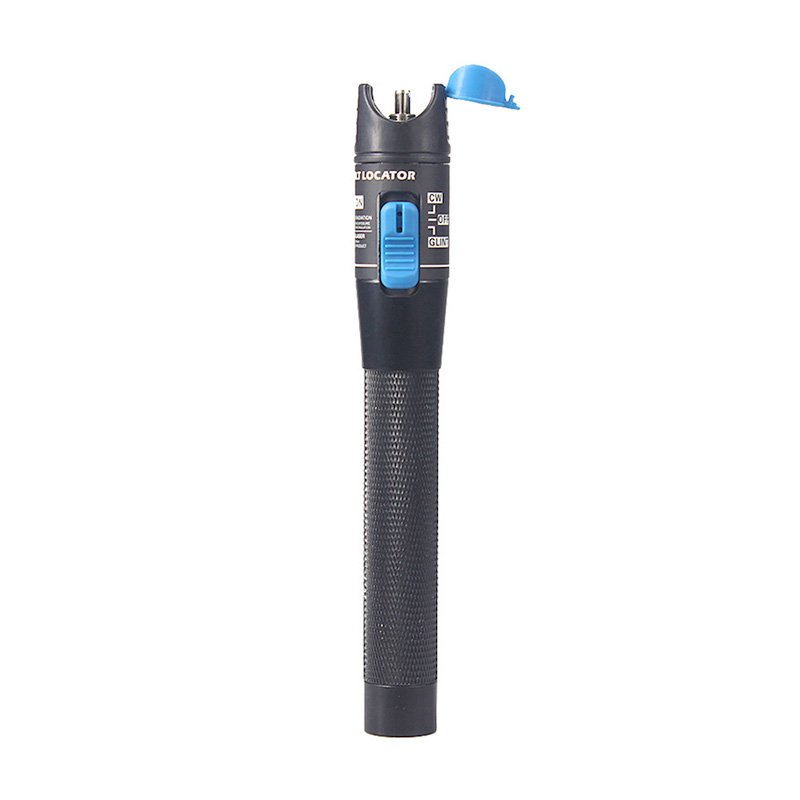
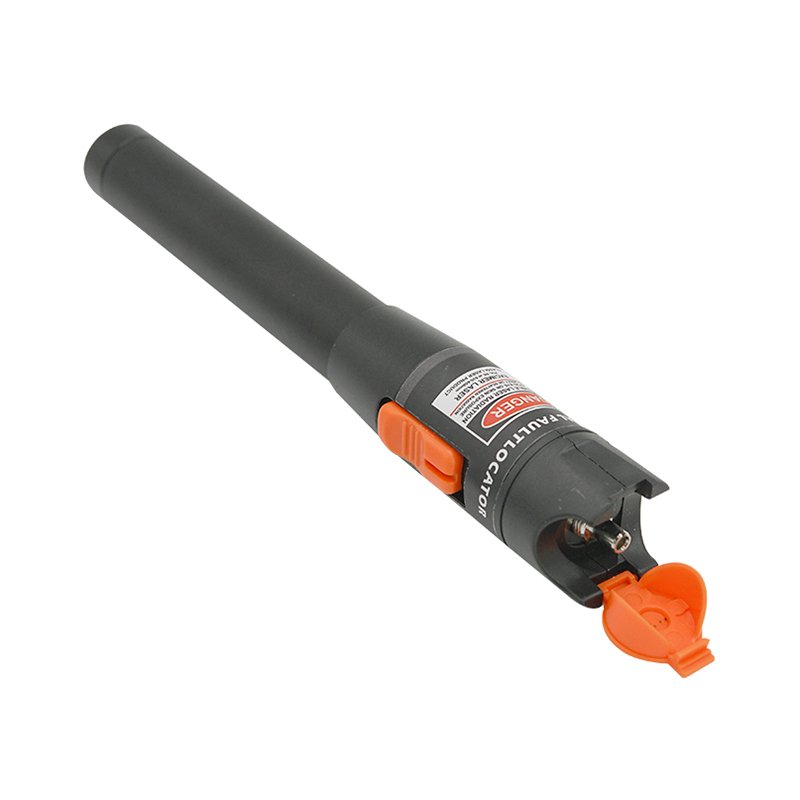
The Visual Fault Locator (VFL) is a handheld device that is used to locate faults in optical fiber cables. It works by emitting a visible red laser light into the fiber. When the light encounters a fault, such as a break, bend, or connector defect, it scatters and can be seen with the naked eye. This makes the VFL a valuable tool for troubleshooting fiber optic networks.
- High-precision 650nm red laser source for pinpointing fiber breaks, bends, and faulty connectors.
- Versatile operation modes including both continuous wave and pulsed light for various environments.
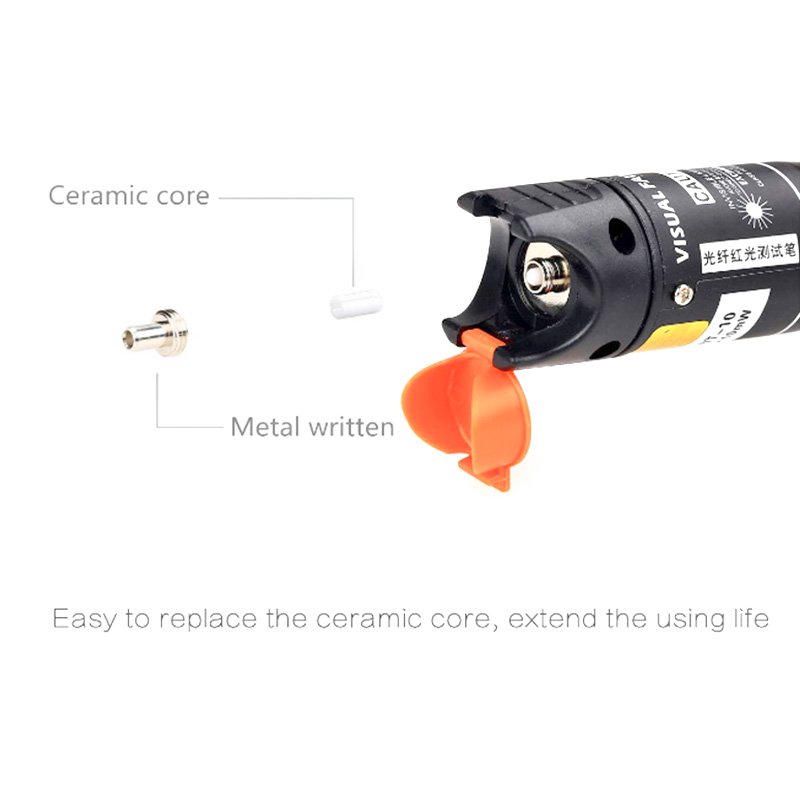
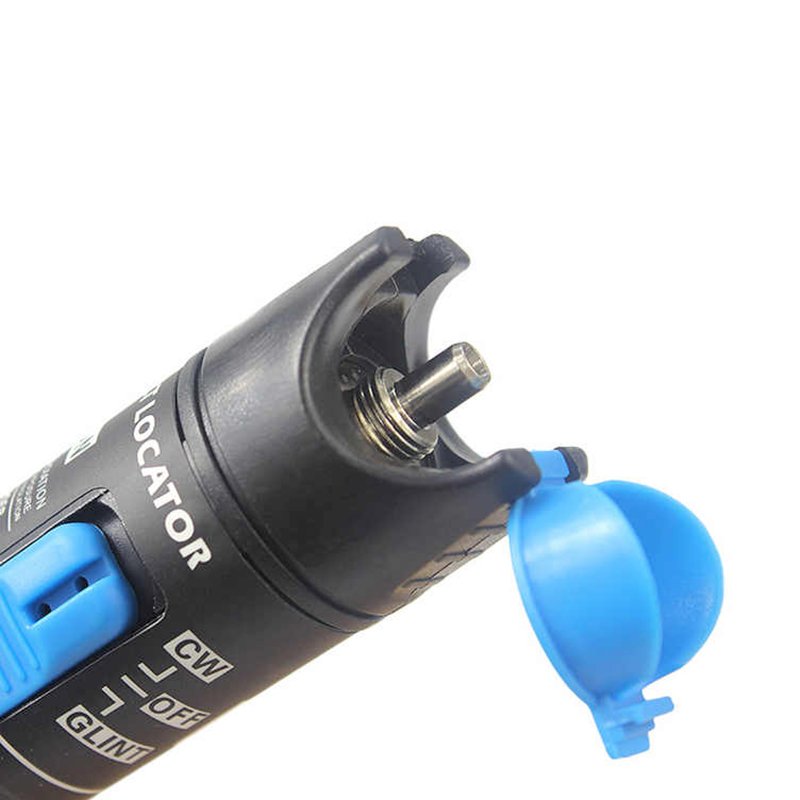
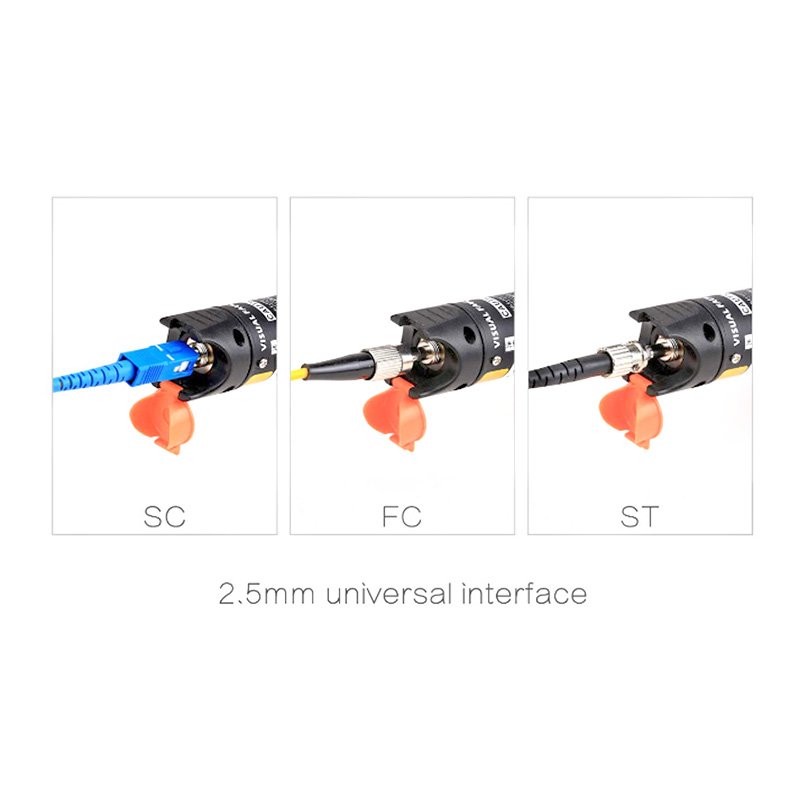
- Universal 2.5mm connector compatible with standard SC, ST, and FC optical fiber interfaces.
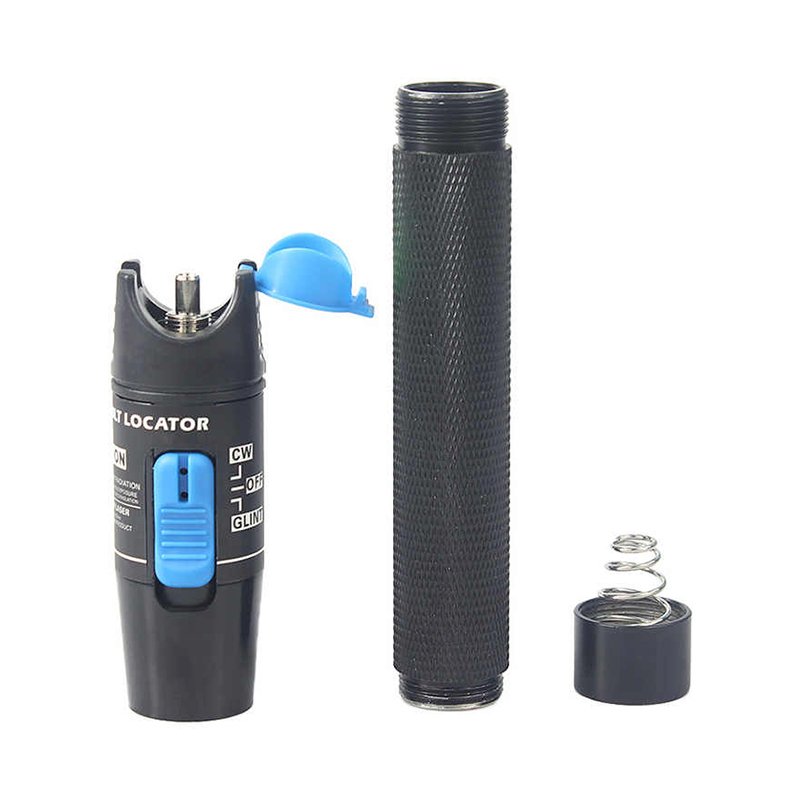
- Durable and rugged aluminum body designed to withstand harsh field operations and accidental drops.
- Multiple output power options ranging from 1mW to 50mW to support different testing distances.
Description
Visual Fault Locator tools are indispensable assets for fiber optic technicians seeking to maintain network integrity. EPCOM provides professional-grade laser source equipment designed to pinpoint breaks, bends, and faulty connectors in optical fibers. By emitting a bright red laser beam, this device allows users to visually identify leakage points through the fiber jacket. Modern telecommunications infrastructure demands high precision, and our fiber fault detectors meet these requirements with robust performance. Reliability is key when troubleshooting complex fiber spans in various environments.
Maintaining a clean and efficient network requires more than just testing tools. While identifying faults is critical, ensuring the connection points are pristine is equally important. Technicians often utilize fiber optic cleaning wipes to prevent signal degradation at the interface. EPCOM understands that a holistic approach to fiber maintenance yields the best results. Consequently, combining high-quality visual inspection with proper cleaning protocols ensures long-term operational success for any optical network.
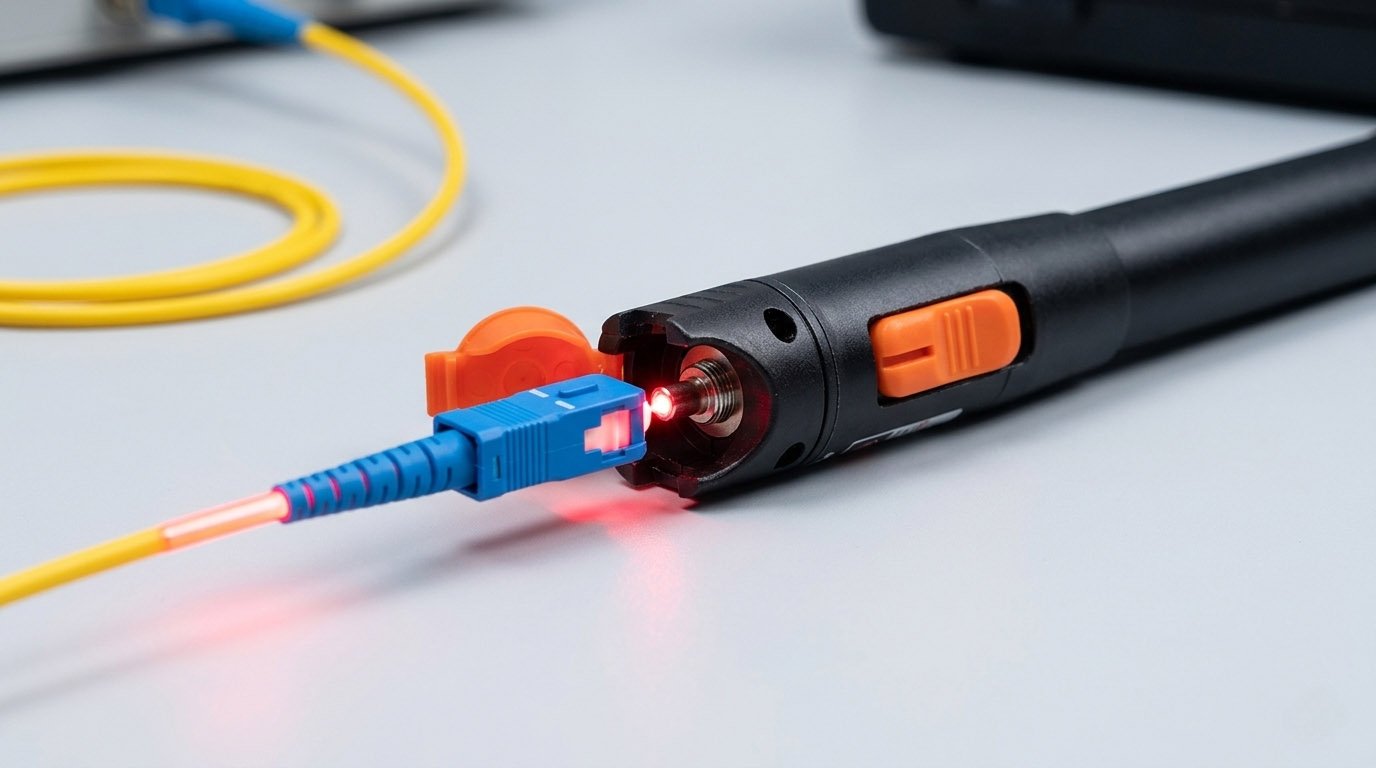
High-Performance Laser Sources for Fiber Testing
The primary function of an optical fiber checker is to provide a quick and easy solution for identifying light loss. EPCOM offers various power options ranging from 1mW to 50mW to suit different distance requirements. These devices feature a universal connector compatible with 2.5mm ferrules, including SC, ST, and FC interfaces. For LC connectors, an additional adapter is typically used to ensure full compatibility. The rugged aluminum body protects the internal laser diode from accidental drops or harsh handling during field operations.
When conducting comprehensive testing, technicians might also need to prepare the fiber correctly. Using a 3 ports optical fiber stripper allows for the precise removal of buffer and cladding without damaging the delicate glass core. EPCOM ensures that every tool in our catalog supports the high standards expected in the telecommunication industry. By integrating reliable stripping tools with our laser locators, users achieve a seamless workflow from preparation to final validation.
Key Features of the EPCOM Visual Fault Locator
Our devices operate in both continuous wave (CW) and pulsed modes. The pulsed mode, often operating at 2Hz or 3Hz, makes the red light easier to detect in high ambient light conditions. This versatility is crucial for identifying macro-bends within patch panels or splice trays. Furthermore, the long battery life ensures that technicians can complete their tasks without frequent interruptions. EPCOM prioritizes ergonomics, designing the casing to fit comfortably in the hand for extended use.
Technical Specifications and Parameters
Understanding the technical capabilities of your testing equipment is vital for selecting the right tool for the job. Below are the detailed specifications for our standard series. These parameters reflect our commitment to providing accurate and durable testing solutions.
| Parameter | Specification Details |
|---|---|
| Wavelength | 650nm ± 10nm |
| Output Power | 1mW / 10mW / 20mW / 30mW / 50mW (Optional) |
| Optical Fiber Type | Single-mode (SM) and Multi-mode (MM) |
| Optical Connector | 2.5mm Universal Connector (FC/SC/ST) |
| Operating Temperature | -10°C to +45°C |
| Storage Temperature | -40°C to +70°C |
| Power Supply | 2 x AA Alkaline Batteries |
| Dimensions | Approx. 175mm x 26mm |
Applications of Visual Fault Locator in Modern Networks
The utility of a fiber tracer extends beyond simple break detection. In many scenarios, it is used for end-to-end fiber identification in large data centers. When multiple fibers are bundled together, finding the correct strand can be a time-consuming challenge. By injecting red light into one end, the technician can quickly verify the continuity at the far end. EPCOM tools are engineered to provide a stable light source that remains visible even over several kilometers.
In more advanced diagnostic setups, this tool works in tandem with OTDR units. While an OTDR can identify the approximate distance to a fault, it often has a “dead zone” where it cannot see near-end issues. Using a OTDR launch cable ring helps mitigate this by allowing the OTDR to stabilize before measuring the actual link. The synergy between these instruments allows EPCOM clients to achieve comprehensive network visibility. Reliable documentation and testing are the foundations of any structured cabling project.
Visual Fault Locator Maintenance and Safety
Safety is paramount when working with visible laser light. It is essential never to look directly into the laser beam or the fiber end when the device is active. The 650nm red light used in our equipment is bright and can cause eye strain or damage if misused. EPCOM recommends always turning off the device when swapping connectors. To maintain optimal performance, keep the optical port covered with its dust cap when not in use. Regular cleaning of the connector ferrule ensures maximum power transfer into the fiber under test.
Choosing the Right Visual Fault Locator Power Level
Selecting the appropriate output power is a critical decision for procurement managers. A 1mW unit is typically sufficient for local area networks and distances up to 5km. For long-haul applications, a 30mW or 50mW model can reach distances exceeding 25km. However, higher power is not always better for short distances, as excessive light can mask small defects or reflections. EPCOM provides expert consultation to help you choose the model that best fits your specific field requirements.
Our manufacturing process involves rigorous quality control to ensure every unit meets the declared power rating. We utilize high-grade laser diodes that offer a longer lifespan compared to generic alternatives. EPCOM understands that field tools must withstand variable weather and heavy use. Thus, our casing is weather-resistant and features a secure battery compartment to prevent power loss during movement.
Visual Fault Locator Performance Summary
To conclude, the efficiency of your maintenance team depends on the quality of their diagnostic equipment. A reliable red light source allows for rapid troubleshooting, reducing network downtime significantly. EPCOM continues to innovate in the field of fiber optics, ensuring that our products remain at the forefront of technology. Whether you are installing new fiber or repairing an existing link, our tools provide the clarity needed for a professional finish.
By investing in a complete toolkit, including our locators, strippers, and cleaning supplies, you empower your staff to perform at their best. EPCOM remains committed to supporting global telecommunications growth through durable and precise hardware solutions. Trust in our experience to keep your fiber networks running at peak performance.