Waterproof Junction Box: Ultimate Protection Systems
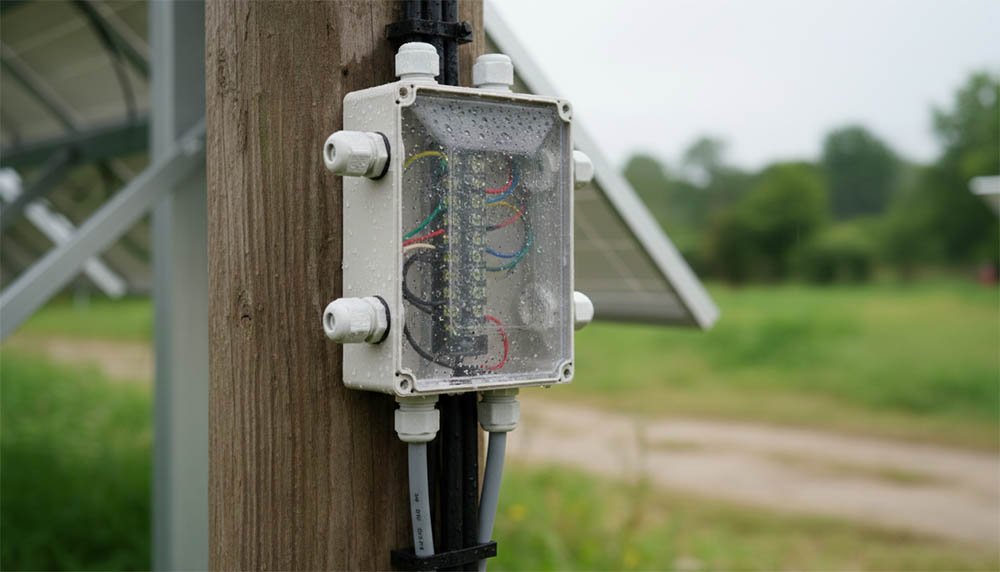
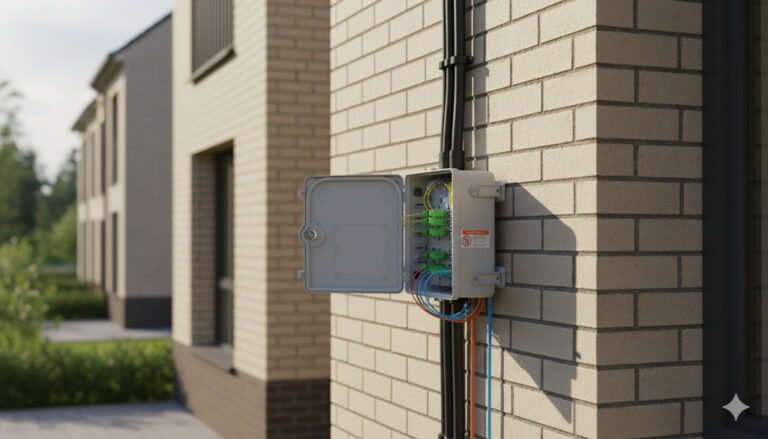
Waterproof Junction Box units are essential components for modern electrical infrastructure. Specifically, these enclosures protect sensitive connections from moisture, dust, and corrosive elements. EPCOM specializes in engineering high-durability solutions that ensure long-term reliability. Consequently, engineers prioritize these boxes for outdoor wiring projects. Moreover, the integration of advanced sealing technology prevents short circuits. Therefore, choosing the right enclosure is critical for safety.
In this comprehensive analysis, we will explore the technical nuances of electrical protection. Furthermore, we will examine how EPCOM products integrate into complex power grids. Understanding the difference between IP ratings is the first step. Following this, we will discuss material selection and installation techniques. Finally, we provide data-driven insights into market trends.
Why Reliable Enclosures Matter in Harsh Climates
Electrical systems face constant threats from environmental variables. For instance, heavy rain can penetrate standard enclosures. However, a Waterproof Junction Box utilizes specialized gaskets to maintain a dry interior. In addition, UV radiation can degrade plastic components over time. EPCOM addresses this by using high-grade polycarbonate and ABS materials. As a result, the structural integrity remains intact for decades.
Significantly, industrial sites often deal with chemical exposure. In such cases, stainless steel or reinforced plastic is mandatory. Nevertheless, the sealing mechanism is the most vital part. Without a proper seal, even the strongest box will fail. Thus, continuous innovation in silicone molding has revolutionized the industry. Below, we outline the primary benefits of these systems.
- Complete protection against pressurized water jets.
- Enhanced resistance to saline environments near coastal areas.
- Prevention of internal condensation through breathable valves.
- High impact resistance (IK rating) for physical security.
Key Components of a Waterproof Junction Box System
A functional enclosure is more than just a shell. To clarify, it consists of several engineered layers. First, the body provides the primary physical barrier. Second, the lid features a recessed channel for the O-ring. Because of this design, the pressure is distributed evenly. EPCOM ensures that every electrical junction box meets international safety standards. Furthermore, these boxes are often used in conjunction with insulation piercing connectors to maintain circuit integrity.
Proper cable entry is another crucial factor. Usually, technicians use cable glands to secure the entry points. If the gland is not tightened correctly, water will seep in. Consequently, the use of threaded entries is highly recommended for industrial applications. Additionally, internal mounting plates allow for the secure installation of DIN rails and terminals. This organization reduces the risk of thermal buildup.
Materials Used in Waterproof Junction Box Construction
Material science plays a huge role in electrical safety. Currently, three main materials dominate the market. Aluminum is preferred for its heat dissipation properties. Meanwhile, stainless steel offers the best corrosion resistance. However, plastic remains the most versatile option due to its non-conductive nature. EPCOM focuses on high-performance polymers that resist cracking under extreme cold. In contrast, low-quality plastics often become brittle.
Installation Best Practices for Your Waterproof Junction Box
Starting an installation requires careful planning. First, you must identify the potential path of water runoff. It is wise to mount the box with cable entries facing downward. By doing this, gravity prevents water from pooling around the seals. Furthermore, using parallel groove connectors inside the box helps in managing high-current distributions. EPCOM recommends using torque wrenches for all mechanical connections.
Another important aspect is the use of drainage holes. Although it sounds counterintuitive, some enclosures require a way for internal moisture to escape. This is common in high-humidity zones where temperature fluctuations cause condensation. Nevertheless, these holes must be equipped with one-way valves. Thus, the Waterproof Junction Box remains “breathable” without compromising its IP rating. For more technical data on environmental protection, refer to the International Electrotechnical Commission standards.
Comparing Waterproof Junction Box IP Ratings
Understanding IP ratings is essential for procurement managers. Basically, the first digit represents solid protection, and the second represents liquid protection. For instance, IP65 is dust-tight and protects against water jets. On the other hand, IP68 allows for total immersion. EPCOM provides a variety of ratings depending on the specific project needs. In most outdoor scenarios, IP66 is the industry standard.
| IP Rating | Solid Protection | Water Protection | Best Use Case |
|---|---|---|---|
| IP65 | Dust Tight | Water Jets | General Outdoor |
| IP66 | Dust Tight | Powerful Jets | Heavy Storm Areas |
| IP67 | Dust Tight | Temporary Immersion | Flood Prone Zones |
| IP68 | Dust Tight | Continuous Immersion | Submerged Wiring |
Visualizing Waterproof Junction Box Market Demand
The global demand for reliable electrical enclosures is rising rapidly. Specifically, the growth of renewable energy projects has fueled this trend. Solar farms, for example, require thousands of connection points. Each point must be protected by a Waterproof Junction Box. Consequently, manufacturers like EPCOM are expanding production to meet this need. Below is a representation of sector-wise adoption of these technologies.
Advanced Features of EPCOM Enclosures
Innovation at EPCOM is driven by real-world challenges. For instance, many installers complain about limited space inside small boxes. To solve this, we designed our Waterproof Junction Box with a deeper profile. Consequently, managing thick cables becomes significantly easier. Furthermore, we integrated captive screws into the lid. This prevents the loss of small parts during high-altitude installations.
Quality assurance is another pillar of our operations. Every batch undergoes rigorous testing in specialized chambers. We simulate salt spray, extreme heat, and sub-zero temperatures. Because we follow the ISO 9001 quality management system, our clients receive only the best. In addition, our signature waterproof series is compatible with various mounting brackets for maximum flexibility.
Customizing Your Waterproof Junction Box for Projects
Every project has unique requirements. Sometimes, standard sizes are not sufficient. Therefore, EPCOM offers customization services. We can pre-drill holes according to your specifications. Furthermore, we provide custom labeling for easier circuit identification. Since maintenance teams spend hours troubleshooting, clear labeling is a massive time-saver. By choosing customized solutions, you reduce labor costs on-site.
Maintenance Tips for Long-Lasting Protection
Regular maintenance ensures that your Waterproof Junction Box continues to perform. Initially, you should inspect the gaskets once a year. If the rubber shows signs of cracking, replace it immediately. Moreover, ensure that the cable glands remain tight. Over time, vibrations can loosen these connections. Furthermore, checking for signs of pest ingress is vital. Insects often try to nest in warm electrical boxes.
In industrial settings, cleaning the exterior is also important. Dust buildup can trap heat, leading to internal component failure. However, avoid using harsh chemicals that could damage the polymer. Simply using a damp cloth is usually sufficient. In conclusion, a proactive approach to maintenance extends the life of the entire electrical system. EPCOM stands by its products, offering technical support for all our global partners.
The Future of the Waterproof Junction Box Industry
Looking ahead, smart technology is entering the enclosure market. Imagine a Waterproof Junction Box with built-in moisture sensors. Such a device could alert maintenance teams before a failure occurs. Furthermore, the use of recycled materials is becoming more common. EPCOM is committed to sustainability without sacrificing performance. As the “Internet of Things” (IoT) grows, the humble junction box will become a hub for data collection.
Therefore, staying informed about these changes is crucial for industry professionals. We expect to see more modular designs that allow for easy expansion. Additionally, the integration of fire-retardant additives will enhance safety even further. In the coming years, EPCOM will continue to lead through research and development. Our goal remains clear: providing ultimate protection for the world’s energy networks.
Finally, we must emphasize the importance of using certified products. Using non-rated boxes to save costs is a dangerous practice. Instead, invest in high-quality solutions that guarantee peace of mind. Whether it is a small residential project or a massive industrial plant, the right Waterproof Junction Box makes all the difference. Thank you for trusting EPCOM with your electrical safety needs.
Author’s Note: This article was prepared to help professionals navigate the complexities of outdoor electrical installations. For specific product inquiries or bulk orders, please contact the EPCOM engineering team directly via our official website.