Plastic Suspension Clamp: Durable Cable Solutions
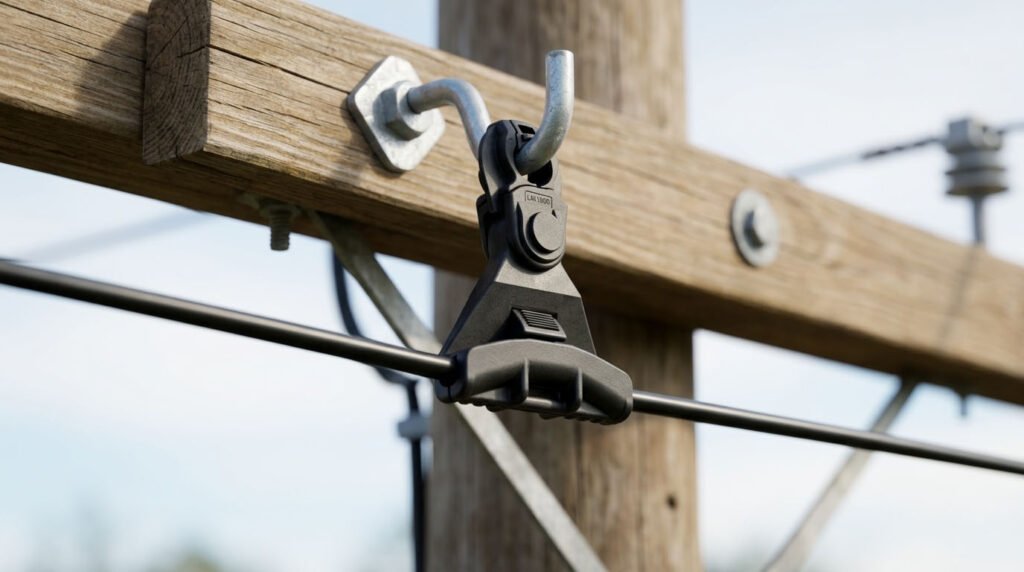
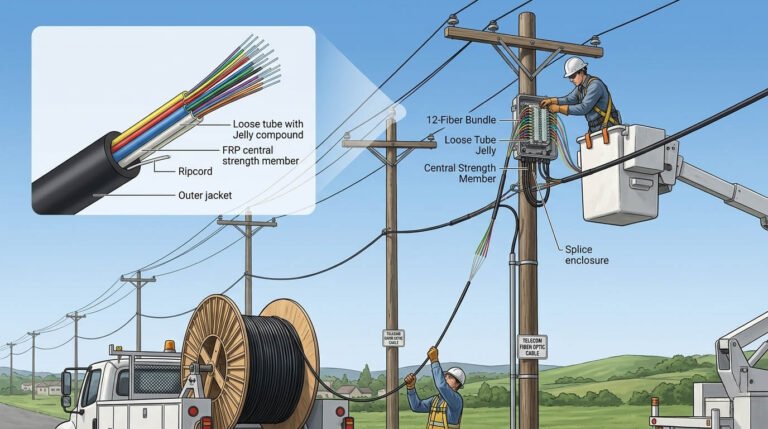
Plastic Suspension Clamp units are indispensable components for the structural integrity of aerial telecommunication lines. Consequently, these polymer-based hangers provide the necessary mechanical support for All-Dielectric Self-Supporting (ADSS) cables over varying span lengths. EPCOM has engineered these specific tools to eliminate the risk of conductor damage during high-wind events. Furthermore, the lightweight nature of this hardware simplifies the workload for installation teams in the field. Therefore, choosing a high-quality clamp is essential for long-term network reliability.
In addition to their primary role, these devices must withstand rigorous environmental conditions. Many older networks relied on heavy metallic alternatives which were prone to oxidation. However, modern infrastructure projects now prioritize composite materials due to their superior dielectric properties. As a result, the hardware ensures that no electrical interference occurs between the cable and the power lines. Moreover, EPCOM ensures each unit is treated with advanced UV-stabilizers to prevent material degradation under intense sunlight.
Technical Advantages of the Plastic Suspension Clamp
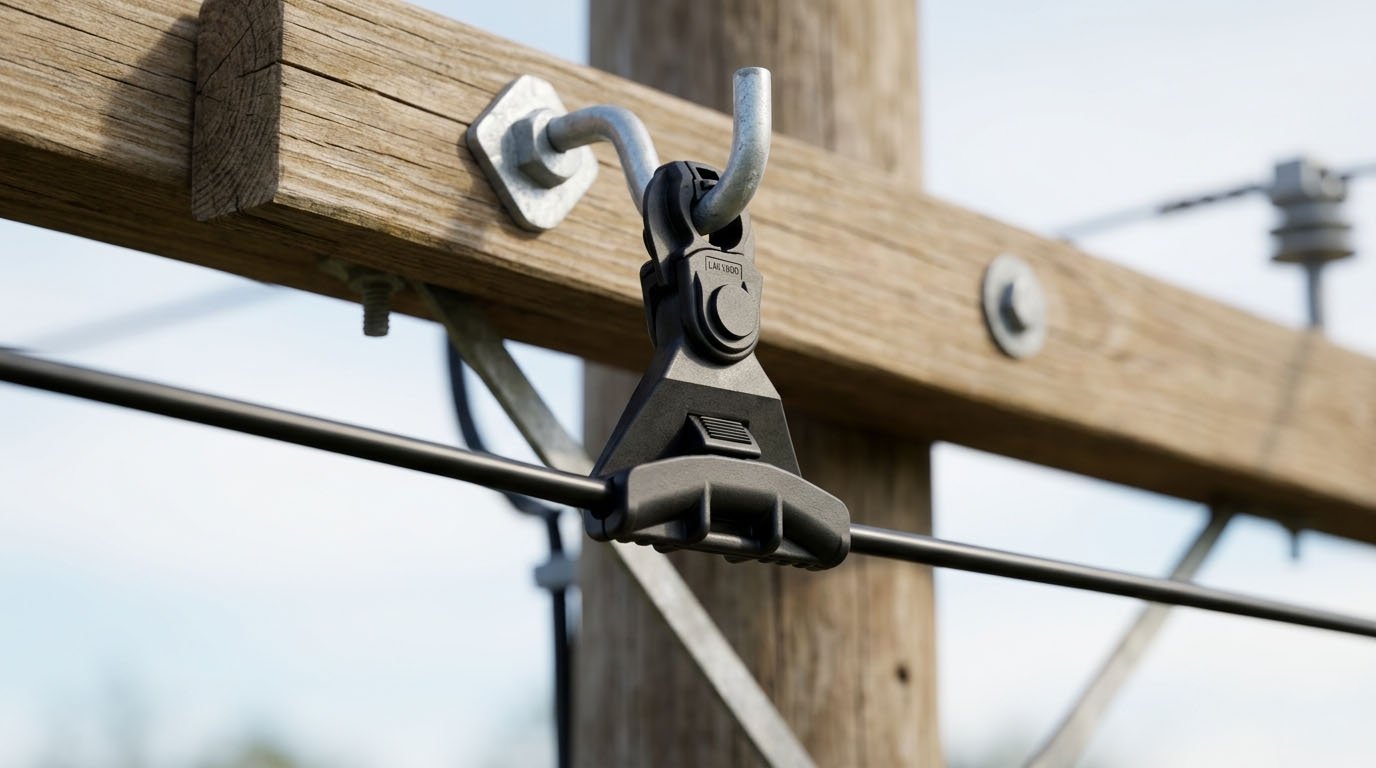
The mechanical performance of a Plastic Suspension Clamp is defined by its ability to distribute radial pressure evenly. Specifically, the internal thermoplastic cushions protect the fragile fiber optics from crushing forces. Thus, signal attenuation is kept to an absolute minimum even during seasonal temperature shifts. For instance, the LM1500 suspension clamp is a prime example of how engineering can solve complex tension issues. Furthermore, the aerodynamic profile of the clamp reduces “galloping” effects during heavy storms.
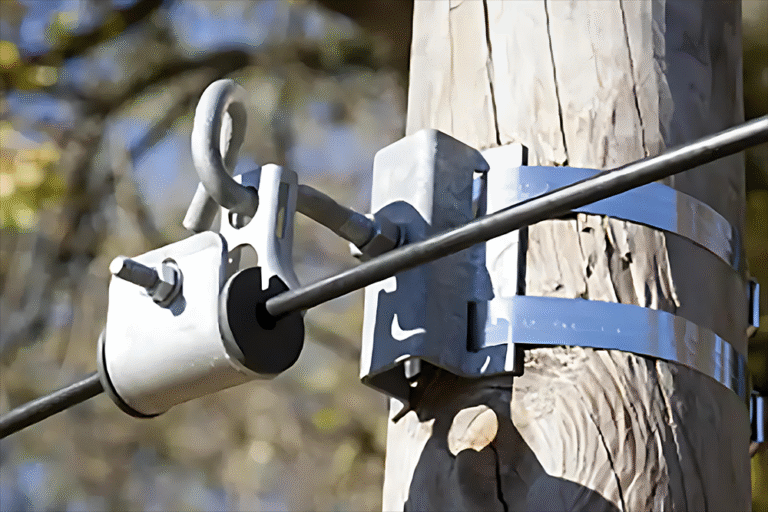
Another significant benefit involves the installation versatility of the system. EPCOM designs these products to be compatible with a wide range of mounting hardware. For example, most technicians prefer to attach the device to a UPB pole bracket for maximum stability. This combination creates a robust anchoring point that can withstand significant longitudinal loads. Consequently, the maintenance cycle of the aerial plant is extended, reducing the total cost of ownership for the network operator.
Mechanical Stress Distribution Analysis
The graph illustrates how the EPCOM Plastic Suspension Clamp distributes load more effectively than rigid metal supports.
Comparing Material Longevity and Performance
Choosing the right material for your suspension system is a critical decision. Metals are strong but suffer from electrochemical corrosion in coastal or industrial environments. Conversely, a high-grade Plastic Suspension Clamp is immune to such chemical reactions. Therefore, it remains structurally sound for decades without requiring anti-rust treatments. Moreover, the implementation of stainless steel strap technology allows these clamps to be mounted securely without damaging the pole structure itself.
| Parameter | Standard Plastic Suspension Clamp | Heavy-Duty Reinforcement |
|---|---|---|
| Working Load Limit | Up to 12.5 kN | Up to 22.0 kN |
| Temperature Range | -40°C to +75°C | -55°C to +85°C |
| UV Resistance Index | ISO 4892-2 Certified | Enhanced UV Coating |
| Clamping Force | Adjustable via Bolts | Fixed Pre-tension |
Effective Deployment of a Plastic Suspension Clamp
Proper installation techniques are just as important as the quality of the hardware. To begin, engineers must calculate the maximum wind load and ice buildup expected in the region. Once these variables are known, the Plastic Suspension Clamp can be positioned at the correct height. Specifically, the technician must ensure the cable transition is smooth to avoid micro-bending. Additionally, for managing excess cable lengths near the pole, a down lead clamp for ADSS cable should be integrated into the system. This ensures a clean and professional appearance for the utility infrastructure.
Furthermore, the alignment of the clamp must be verified after the initial tensioning. If the Plastic Suspension Clamp is tilted incorrectly, it may cause uneven wear on the cable jacket. EPCOM provides detailed technical guides to assist field workers in achieving perfect alignment every time. In summary, the combination of superior materials and precise installation leads to a maintenance-free life cycle. Modern International Telecommunication Union (ITU) standards frequently emphasize the importance of using non-conductive hardware in shared utility corridors.
Safety Standards and Industry Compliance
Every Plastic Suspension Clamp produced by EPCOM adheres to international safety benchmarks. These standards ensure that the hardware does not fail under extreme mechanical stress. For instance, the hardware is tested for “slip load” to ensure the cable remains stationary during vibrations. Additionally, the dielectric strength is verified to prevent current leakage. By maintaining these high standards, EPCOM supports the expansion of global connectivity with hardware that is both safe and cost-effective. Ultimately, the goal is to provide a seamless connection for millions of users worldwide.
In conclusion, the Plastic Suspension Clamp is a small but vital link in the chain of global communication. Its ability to protect, support, and isolate fiber optic cables makes it the preferred choice for engineers everywhere. By utilizing EPCOM solutions alongside essential accessories like brackets and straps, you are building an infrastructure designed for the future. Always consider the long-term benefits of polymer technology when planning your next aerial project deployment.