Film Solar Panels: Ultimate Tech Choices by EPCOM
Film Solar Panels represent a major leap forward in modern photovoltaic engineering. Consequently, transitioning to this highly versatile solar technology helps businesses achieve energy independence easily. Unlike heavy, rigid traditional silicon modules, these thin and flexible designs install on virtually any surface. Moreover, they deliver outstanding efficiency even under less-than-ideal environmental situations. For this reason, modern commercial developers rely heavily on light materials to design sustainable structures. In addition, the seamless integration of lightweight systems minimizes overall building load, allowing for architectural freedom. Therefore, understanding the distinct advantages of this technology is crucial for anyone planning to build a reliable renewable energy network. Modern energy systems also require smart engineering components to maximize performance. EPCOM actively provides advanced system parts to construct highly efficient, reliable power generation facilities worldwide.
Furthermore, early generation solar technology faced structural issues on curved surfaces. Nevertheless, modern innovation has solved these issues with thin substrates. Today, Film Solar Panels have become extremely competitive, driving down the levelized cost of energy significantly. To ensure maximum power harvest, integrating these panels with high-performance electrical components remains an absolute necessity. Whether you operate a grid-tied commercial complex or an isolated off-grid station, system compatibility is vital. Fortunately, specialized infrastructure solutions now exist to optimize the power conversion cycle flawlessly. By analyzing the engineering breakthroughs of these flexible materials, we can unlock superior green energy designs. Let us explore the scientific principles, practical benefits, and installation practices that make these thin power systems the premier choice for modern green infrastructure.
Why Film Solar Panels Represent the Future
Historically, heavy weight and fragile structural profiles restricted solar development. Traditional panels required robust metal racking and reinforced roof beams. However, the introduction of flexible materials changed everything. Today, developers can deploy thin structures on delicate membrane roofs. As a result, retrofitting old industrial buildings with modern Film Solar Panels becomes simple. In addition, these specialized materials utilize incredibly thin semiconductor layers. Consequently, the material extraction phase uses far fewer raw materials than conventional wafer manufacturing. This reduction in material use contributes heavily to a lower initial carbon footprint during the production phase.
Furthermore, the physical versatility of these systems facilitates seamless building-integrated photovoltaics. For instance, facades, curved canopies, and temporary tensile structures can generate power continuously. Thus, clean electricity generation is no longer limited to flat, open ground areas. Additionally, research from leading institutions like the thin-film solar cells research group at NREL proves that thin-film technologies achieve impressive longevity. As manufacturing standards rise, the efficiency gap between rigid and flexible panels continues to shrink. Therefore, industrial stakeholders increasingly choose Film Solar Panels for multi-decade utility investments.
The Technology Behind Thin-Film Systems
To understand this technology, one must look closely at the atomic scale of semiconductors. Thin-film modules are manufactured by depositing thin active layers onto glass, plastic, or metal bases. Specifically, these layers are often only a few micrometers thick. Consequently, the physical flexibility of the final module is remarkably high. In comparison, traditional crystalline cells are sliced from solid silicon ingots. This wafer-slicing method makes conventional cells highly fragile and completely rigid. Thus, thin deposition technology bypasses the physical limitations of silicon wafers entirely.
Additionally, the light absorption capability of thin-film semiconductors is extraordinarily high. This means a microscopic layer of material can absorb the same amount of sunlight as a thick silicon wafer. Consequently, the overall weight of the module drops to a fraction of traditional units. In addition, the simplified manufacturing process consumes less thermal energy. Therefore, the payback time for manufacturing energy is substantially shorter. By deploying these advanced layers, operators receive stable power output while using minimal physical resources.
Comparing Amorphous Silicon and CIGS Tech
Amorphous Silicon represents one of the oldest forms of thin-film technology. Specifically, it utilizes non-crystalline silicon deposited directly onto flexible substrates. However, its conversion efficiency remains relatively low compared to newer compounds. Nevertheless, it performs exceptionally well in extremely low light conditions. Therefore, small-scale consumer electronics and indoor sensors frequently utilize amorphous structures. For large commercial installations, however, developers require higher power densities than amorphous silicon can deliver.
To meet high power demands, Copper Indium Gallium Selenide technology provides a superior solution. This material offers a much higher light absorption coefficient. As a result, commercial modules achieve excellent conversion efficiencies. Moreover, modern Film Solar Panels based on CIGS maintain stable performance even when partially shaded. Consequently, industrial project planners prefer CIGS for large-scale energy harvesting. In addition, the manufacturing process allows for monolithic integration. This means individual cells are connected internally during production, eliminating the need for delicate external wiring.
Key Benefits of Film Solar Panels for Modern Buildings
Implementing Film Solar Panels delivers immediate structural advantages to commercial buildings. Specifically, the ultra-low weight profile prevents the need for expensive structural roof reinforcements. Consequently, commercial entities save thousands of dollars on structural engineering audits. Furthermore, the wind resistance of these low-profile installations is exceptional. Because the panels adhere directly to the roof membrane, there are no air gaps underneath. Thus, wind uplift forces are virtually eliminated, securing the building during severe storms.
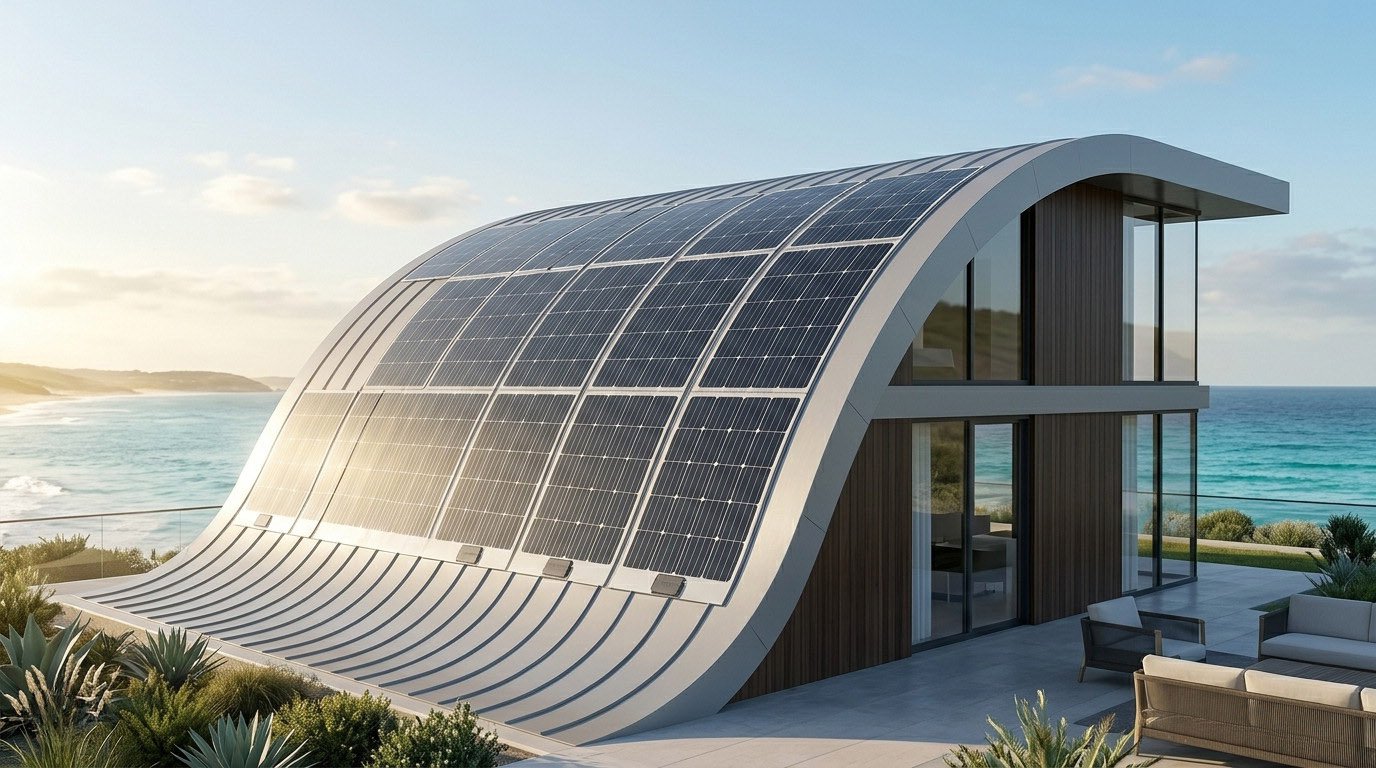
In addition, the aesthetic integration of thin modules is highly superior. Architects can preserve clean building profiles without installing bulky metal frames. Consequently, modern skyscrapers can utilize outer facades to generate electricity cleanly with high-grade Film Solar Panels. Furthermore, the flexible nature of the substrate permits easy installation on curved or uneven surfaces. Therefore, architectural designs are no longer restricted by rigid flat planes. By selecting these thin systems, developers combine high-performance energy generation with stunning modern design elements.
Lightweight Architecture Integration
Modern architectural projects frequently prioritize lightweight materials to reduce construction costs. Traditional solar panels can add up to twenty kilograms per square meter, including mounting hardware. In contrast, thin-film systems usually weigh less than four kilograms per square meter. Consequently, lightweight steel structures and tensile membranes can support these systems easily. For example, large warehouse facilities with wide-span roofs are perfect candidates for thin installations. These structures often cannot support the massive weight of standard crystalline silicon racking systems.
Furthermore, the elimination of heavy aluminum frames reduces the mechanical stress on the roof. Consequently, the risk of structural micro-cracks forming in the roof deck is significantly reduced. In addition, the low-profile adhesive mounting process preserves the waterproof integrity of the roof. Because installers do not need to penetrate the outer roofing membrane with lag bolts, leaks are completely prevented. Therefore, commercial facility managers enjoy long-term peace of mind regarding structural safety and dryness.
Superior Performance Under Low Light Conditions
Weather conditions are inherently unpredictable, making solar output highly variable. Conventional silicon panels suffer severe power drops under cloudy skies or during early morning hours. However, thin-film modules utilize materials with wider spectral absorption ranges. Consequently, they can convert weak diffuse sunlight into usable electricity highly effectively. Even during heavy overcast conditions, modern Film Solar Panels continue to generate power. This ensures a much flatter, more predictable daily power generation curve.
Moreover, the temperature coefficient of thin-film materials is exceptionally favorable. As standard solar cells heat up in direct summer sunlight, their efficiency degrades rapidly. In contrast, thin-film modules experience very little performance loss at high operating temperatures. This thermal stability makes them the absolute ideal choice for desert installations and hot tropical climates. Consequently, operators experience higher total annual kilowatt-hour yields per installed watt. By maintaining consistent performance, these systems protect the financial viability of green power plants.
Annual Energy Yield Factor (kWh per kWp) in Hot Climates
Figure 1: Comparison of real-world annual power output yields showing thin-film performance advantages in high-temperature zones.
Essential Integration Parts for Film Solar Panels
Constructing a functional energy system requires much more than just the energy harvesting surface. Specifically, the electrical current generated by solar cells must be processed and conditioned carefully. Without reliable power conversion hardware, the clean electricity remains completely unusable. Therefore, choosing matching electrical components is just as important as selecting high-quality Film Solar Panels. For this reason, EPCOM offers a highly integrated suite of power management systems. These components work together seamlessly to maximize system efficiency while maintaining strict electrical safety standards across the entire circuit.
Additionally, modern systems must be designed to handle dynamic loading conditions. For instance, commercial machinery can cause sudden power surges within the building network. Consequently, the power distribution system must feature intelligent protection mechanisms. By implementing smart components alongside your Film Solar Panels, operators prevent equipment damage and system downtime. Furthermore, storage integration allows facilities to maintain operational continuity during grid failures. Let us examine the specific hardware units needed to build a robust, scalable green energy network.
The Vital Role of an On-Grid Inverter
For buildings connected directly to the local utility grid, proper synchronization is crucial. Specifically, the direct current from solar installations must match the frequency of the grid perfectly. To achieve this, installing a high-quality On-Grid Inverter is the absolute best solution. This advanced device constantly monitors the grid voltage and matches it in real-time. Consequently, any excess power generated by your thin modules flows smoothly back into the utility grid. This enables commercial operators to participate in net metering programs easily, lowering operating costs.
Furthermore, modern on-grid units feature advanced maximum power point tracking algorithms. These algorithms continuously adjust the electrical operating point of the solar array to extract maximum power. Consequently, even on partially cloudy days, the system operates at peak possible efficiency. In addition, the real-time monitoring software allows facility managers to track production data from any mobile device. Therefore, system performance is always transparent and easily controlled. By relying on robust conversion units, your connection to the clean energy grid remains perfectly stable.
When to Implement an Off-Grid Inverter Setup
In many remote locations, connecting to the utility grid is physically impossible or financially impractical. For example, distant agricultural facilities, mining sites, and isolated research outposts require self-sustaining power. In these situations, implementing an Off-Grid Inverter becomes essential. This heavy-duty device is specifically designed to create an independent, localized electrical grid. Consequently, it supplies stable alternating current to critical equipment without relying on external utility companies.
Additionally, off-grid units must manage local battery storage systems with high precision. During hours of peak sunlight, the inverter directs excess solar energy into the battery banks. Conversely, during the night, the device draws power from the batteries to keep critical systems running. Consequently, continuous power availability is guaranteed. In addition, these specialized units often feature built-in generator starter controls. If storage levels drop too low during extended storms, the system starts backup generators automatically. Therefore, critical facilities remain powered under all circumstances.
Securing Energy Storage with a Stacked Battery
To truly achieve energy independence, robust battery storage is an absolute necessity. Solar generation peaks during midday, but energy consumption often peaks in the evening. Therefore, storing green energy for later use is key to maximizing efficiency. Implementing a scalable Stacked Battery system provides the perfect energy storage solution. This modular design allows users to increase their storage capacity easily by stacking additional battery blocks on top of each other. Consequently, businesses can scale their storage infrastructure as their power needs grow.
Moreover, modern stacked storage units utilize advanced Lithium Iron Phosphate chemistry. This chemical composition offers superior thermal stability and a long operational lifespan. Specifically, these batteries can undergo thousands of charge cycles without significant capacity degradation. Furthermore, the compact vertical footprint saves valuable floor space in mechanical rooms. Consequently, installation is clean, fast, and highly space-efficient. By combining advanced storage with flexible Film Solar Panels, you build a resilient, future-proof power station.
Selecting the Best Film Solar Panels for EPCOM Projects
Designing a high-yield power station requires careful selection of the underlying solar materials. Specifically, not all thin-film products are manufactured to the same rigorous quality standards. Therefore, choosing certified components from trusted brands like EPCOM is essential to secure your investment. For this reason, engineering teams must evaluate specific performance metrics before purchasing Film Solar Panels. These metrics include conversion efficiency, temperature coefficient, and physical substrate materials. By analyzing these technical factors, you ensure long-term performance and high return on investment.
Additionally, the physical environment of the installation site dictates the ideal material specifications. For instance, coastal installations face high humidity and corrosive salt air. Consequently, the chosen modules must feature superior moisture barriers to prevent internal corrosion. Furthermore, high-altitude installations require excellent ultraviolet light resistance. Therefore, selecting the appropriate protective encapsulation layer is vital. Let us examine the essential technical metrics to consider when specifying premium Film Solar Panels for commercial installations.
Assessing Efficiency Ratings of Thin-Film Systems
Conversion efficiency remains a primary consideration for any solar project planner. Historically, thin-film modules had lower efficiency ratings than crystalline silicon. However, modern manufacturing breakthroughs have improved these numbers significantly. Today, premium Film Solar Panels routinely achieve efficiencies of fifteen to eighteen percent. While slightly lower than rigid panels, the actual energy yield is often comparable. This is because thin modules generate power over a longer period each day due to low-light performance.
Furthermore, we must evaluate the active area efficiency versus the total module area. Because thin-film cells are integrated monolithically, the inactive space between cells is extremely small. Consequently, the active generation area per square meter is highly optimized. In addition, when calculating system economics, look at the cost per watt rather than efficiency alone. Because modern Film Solar Panels are cheaper to manufacture and install, the cost per generated kilowatt-hour is often lower. Therefore, thin-film systems provide outstanding economic value for large-scale industrial projects.
Understanding Physical Durability and Lifespan
Physical durability is a common concern when selecting flexible solar materials. Some believe that flexible modules are inherently less durable than glass-faced panels. However, this is a misconception, as modern encapsulation materials offer incredible protection. Specifically, advanced polymers shield the active semiconductor layers from moisture and oxygen ingress. Consequently, premium flexible modules carry long warranties that match traditional panels. This ensures reliable power generation for twenty-five years or more.
Additionally, the absence of glass eliminates the risk of hail damage and shattering. Consequently, flexible Film Solar Panels installations are highly suitable for high-risk areas like golf courses and airports. Furthermore, the mechanical flexibility allows the panels to bend safely without forming invisible micro-cracks. In traditional panels, minor bending during transportation can ruin internal connections. Flexible Film Solar Panels, however, tolerate physical stress exceptionally well. Therefore, transportation and handling costs are significantly reduced, ensuring that materials arrive at the job site in perfect condition.
| Solar Technology Type | Average Efficiency | Weight per m² | Flexibility Range | Temperature Coefficient |
|---|---|---|---|---|
| EPCOM CIGS Thin-Film | 15% – 18% | ~3.5 kg | High (Up to 30° bend) | -0.31% / °C |
| Amorphous Silicon (a-Si) | 7% – 10% | ~2.0 kg | Very High | -0.21% / °C |
| Cadmium Telluride (CdTe) | 16% – 19% | ~12 kg (on glass) | None (Rigid Glass) | -0.28% / °C |
| Standard Monocrystalline | 20% – 22% | ~18 kg | None (Rigid) | -0.38% / °C |
Comprehensive Film Solar Panels Installation Methods
Executing a flawless installation is paramount to achieving long-term system stability. Specifically, because flexible panels do not use standard metal racks, the mounting process is completely unique. Instead of mechanical fasteners, installers of Film Solar Panels rely on specialized industrial adhesives. Consequently, structural engineering becomes a matter of chemical bonding. Therefore, following exact manufacturer protocols is essential to prevent wind peeling and electrical damage. EPCOM provides comprehensive engineering guidelines to ensure that every flexible project meets strict international building codes.
Furthermore, because the modules are integrated directly into building surfaces, cable management must be carefully planned. Traditional installations run wires behind the mounting rack, out of direct sunlight. In contrast, thin-film cable runs are often integrated directly into the roof surface or facade joints. Consequently, the chosen conduits and junctions must feature extreme weatherproofing. By using high-quality materials to install Film Solar Panels, you ensure that the electrical distribution network remains completely dry and functional for decades.
Surface Preparation Protocols
Before applying any adhesive, thorough surface preparation is an absolute requirement. Specifically, any dust, moisture, or chemical oil on the substrate will ruin the adhesive bond. Consequently, installers must clean the area using approved cleaning solutions. Additionally, the roof or facade material must be checked for structural sound. If the underlying membrane is old or degraded, it must be replaced before installing Film Solar Panels. Therefore, a complete inspection of the building surface must happen before any physical work begins on-site.
Additionally, the temperature during installation must be kept within specific limits. If the weather is too cold, the industrial adhesive will not cure properly. Conversely, extreme heat can cause the adhesive to set too fast, preventing a flat, bubble-free installation. Consequently, project managers must schedule adhesive applications during dry, moderate weather conditions. By maintaining strict control over the installation environment, you create an unbreakable physical bond that withstands hurricane-force winds.
Electrical Wiring Configurations
Once the panels are securely bonded to the building, wiring connections must be established carefully. Monolithic thin-film arrays utilize integrated junction boxes located on either the front or back of each module. Specifically, back-side junction boxes require the installer to route cables through small penetrations in the roof deck. Front-side junction boxes, on the other hand, allow for surface-level wiring. Consequently, surface wiring is often preferred for metal roofs, avoiding any structural penetrations entirely.
Furthermore, string sizing must be calculated with high precision to prevent over-voltage conditions in the inverter. Because thin-film modules can have higher open-circuit voltages than conventional panels, engineering strings requires specialized calculations. In addition, high-quality over-current protection devices must be installed on each string. This protects the delicate thin-film circuits of your Film Solar Panels from power surges. By using premium wiring components and following professional circuit diagrams, you build an exceptionally safe and efficient power generation system.
Environmental and Financial Impact of Film Solar Panels
Investing in Film Solar Panels delivers highly positive outcomes for both corporate balance sheets and the global environment. Specifically, the exceptionally low carbon footprint of thin-film production makes it the greenest solar technology available. Conventional silicon panels require massive energy inputs to melt quartz at extremely high temperatures. In contrast, thin-film manufacturing utilizes low-temperature deposition processes. Consequently, the energy payback period of a thin-film installation is often less than twelve months, which is significantly faster than rigid alternatives.
Furthermore, the physical materials used in modern Film Solar Panels are highly recyclable. At the end of their operational lifespan, the modules can be processed to reclaim precious metals like indium and gallium. This supports a circular green economy and prevents toxic electronic waste from entering local landfills. Financially, the low installation labor costs and zero racking requirements make thin systems highly competitive. Therefore, commercial entities can deploy clean energy infrastructure faster and with lower initial capital expenditure, maximizing financial returns.
Return on Investment Calculations
To evaluate the financial viability of a solar project, a thorough return on investment calculation is essential. Specifically, developers must analyze the initial capital expenditure against the annual utility savings. Because flexible installations do not require expensive metal racking, racking material costs drop to zero. Consequently, the total hardware cost per watt is highly competitive. Furthermore, installation speed is up to three times faster than conventional racking, lowering labor costs significantly.
In addition, the superior low-light energy yield of Film Solar Panels increases the annual cash flow generated by the system. Consequently, businesses recover their initial investment much faster. Specifically, many commercial thin-film projects achieve complete financial payback within four to six years. After this payback period, the electricity generated by the system represents pure operational profit. Therefore, installing advanced thin systems is one of the safest and most profitable capital investments a business can make in today’s market.
Decreasing Carbon Footprint with EPCOM Systems
Reducing greenhouse gas emissions is a critical goal for modern corporations. Customers and regulatory agencies increasingly demand that businesses minimize their environmental impact. By deploying EPCOM thin-film systems, corporations can make massive progress toward carbon neutrality. Because thin-film panels require minimal energy to manufacture, their lifetime carbon offset is exceptionally high. Specifically, over a twenty-five-year operational life, a thin-film system will offset its manufacturing carbon emissions many times over.
Additionally, the lightweight nature of Film Solar Panels reduces transportation emissions. Specifically, a single shipping container can hold three times more capacity of flexible solar material than rigid glass panels. Consequently, the carbon emissions associated with logistics and shipping are reduced by sixty percent. By integrating these lightweight systems with local storage, facilities can transition away from fossil-fuel backup power. Therefore, your business achieves a clean, independent energy profile that meets the highest environmental standards.
Maintenance and Longevity of Thin-Film Systems
Ensuring that your energy asset operates at peak performance for decades requires proper maintenance. Although thin-film installations have no moving parts, they still require occasional care. Specifically, dust, organic debris, and bird droppings can accumulate on the surface over time. Consequently, light transmission is reduced, lowering the overall power output of the array. Fortunately, because flexible panels have flat surfaces, standard cleaning operations are exceptionally simple and safe to perform on any roof.
In addition, regular electrical inspections are vital to detect minor faults before they cause system downtime. Specifically, thermal imaging cameras can identify any localized hot spots in the array quickly. These hot spots are often caused by loose electrical connections or localized physical damage. Consequently, correcting these issues early prevents equipment damage and preserves high system efficiency. Let us review the essential maintenance steps needed to guarantee maximum longevity for your green energy system built with high-quality Film Solar Panels.
Standard Cleaning Operations
Standard cleaning operations for flexible panels should be scheduled during the cool morning hours. If you spray cold water onto hot solar panels in the middle of the day, thermal shock can occur. Consequently, the protective polymer encapsulation layer could degrade. Therefore, scheduling cleaning times carefully is a crucial safety measure. To clean the panels, installers simply spray the surface with clean, demineralized water. This removes the vast majority of surface dust and bird droppings instantly.
Additionally, the use of harsh chemical detergents or abrasive scrubbers on Film Solar Panels is strictly forbidden. These chemicals can scratch the protective polymer surface, permanently reducing light transmission. For stubborn dirt, use a soft squeegee or sponge on a long extension pole. Consequently, maintenance personnel can clean large arrays safely from the roof access walkway without stepping on the panels. By keeping the surfaces clean, you maximize light absorption and maintain high annual energy yields.
Monitoring Electrical Performance
In addition to physical cleaning, electronic monitoring is a crucial part of modern system maintenance. Specifically, the real-time data from your on-grid or off-grid inverter should be analyzed constantly. If a sudden drop in power production occurs, the monitoring software will generate an automatic alert. Consequently, technicians can pinpoint the exact string or module that requires attention. This minimizes troubleshooting time and prevents extended periods of reduced power production.
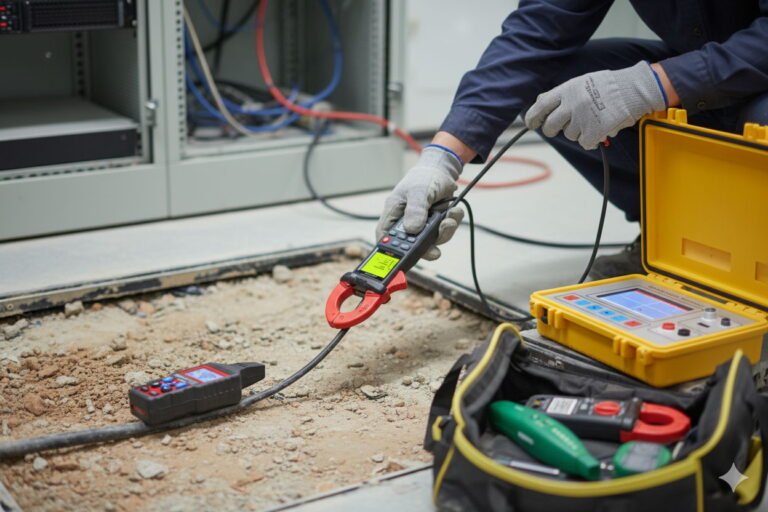
Furthermore, annual insulation resistance testing must be conducted to ensure safety. This test verifies that the electrical insulation of the cabling and modules has not degraded. Consequently, any risk of electrical ground faults or short circuits in your Film Solar Panels is completely avoided. In addition, checking the torque specifications of all terminal blocks in the combiner boxes is highly recommended. By conducting these simple preventative checks, you ensure that the entire electrical infrastructure remains highly safe and reliable.
Future Trends of Film Solar Panels Development
The photovoltaic industry is evolving at an unprecedented pace, with new breakthroughs emerging regularly. Specifically, the future of Film Solar Panels is incredibly bright as material science advances. Researchers are continuously finding new ways to increase conversion efficiency while lowering production costs. Consequently, thin-film systems will become even more dominant in the commercial and residential solar sectors. For this reason, forward-thinking companies like EPCOM continue to invest heavily in advanced product development.
In addition, the integration of solar technology into everyday consumer products is accelerating. For instance, flexible solar cells are being integrated directly into clothing, backpacks, and electric vehicle surfaces. Consequently, individuals and vehicles can generate their own clean power on the go. Furthermore, municipal infrastructure like bus shelters, streetlights, and smart highway barriers will soon feature integrated generation surfaces. Therefore, the cities of tomorrow will be completely self-powered, sustainable environments.
Perovskite Technology Breakthroughs
Perovskite material technology represents one of the most exciting developments in modern solar research. This class of synthetic materials has a unique crystal structure that absorbs light exceptionally well. Specifically, perovskite layers can be formulated to absorb different portions of the solar spectrum. Consequently, researchers can stack perovskite cells on top of traditional silicon cells. This is known as a tandem cell configuration, and it achieves incredibly high conversion efficiencies.
Furthermore, perovskites can be manufactured using simple, low-cost solution processing techniques. This means the active material can be printed or sprayed directly onto flexible substrates like plastic rolls. Consequently, the manufacturing cost of high-efficiency Film Solar Panels will fall dramatically. In addition, tandem perovskite thin-film modules will soon exceed twenty-five percent efficiency in commercial production. Therefore, the combination of high efficiency and physical flexibility will revolutionize the global energy market.
Flexible Substrates Innovation
Innovations in flexible substrate materials are also driving significant improvements in thin-film performance. Historically, flexible panels relied on plastic substrates that degraded under extreme ultraviolet exposure. However, modern polymer chemistry has produced advanced fluoropolymer films with outstanding UV stability. These new materials do not yellow or crack, even after decades of intense desert sunlight. Consequently, light transmission to the underlying solar cells remains perfectly high for the entire life of the panel.
Additionally, ultra-thin flexible glass substrates are now entering the commercial market. This specialized glass is thin enough to bend easily, yet it provides the absolute best moisture barrier. Consequently, flexible glass modules offer unmatched protection against moisture ingress, ensuring maximum durability. Furthermore, lightweight stainless-steel substrates are being optimized for high-temperature manufacturing processes. By using these advanced materials, manufacturers can produce highly robust Film Solar Panels that perform flawlessly under the most extreme operating conditions.
Final Overview on Implementing Film Solar Panels Today
To summarize, the transition to modern Film Solar Panels offers a highly profitable and sustainable path forward. Whether you are retrofitting an existing warehouse or designing a futuristic architectural facade, flexible solar technology is the premier choice. Specifically, the ultra-lightweight profile, superior low-light performance, and ease of installation deliver massive advantages over conventional silicon panels. However, to unlock the full potential of your system, you must design it with high-quality matching electrical components.
Additionally, partnering with an experienced industry leader like EPCOM is essential to guarantee success. From high-performance on-grid and off-grid inverters to modular stacked battery storage systems, EPCOM provides everything needed to build a state-of-the-art power station. By choosing certified, highly compatible hardware, you protect your investment and ensure stable, clean energy for decades. To explore the full range of flexible solar solutions and matching system components, visit the official film solar panels catalog today and start building your independent energy future.
Furthermore, as global energy regulations become stricter, having self-contained energy systems will elevate commercial property values. Consequently, early adopters of Film Solar Panels integration enjoy immediate competitive advantages. By using space that was once considered useless, businesses can generate clean energy quietly and efficiently. Therefore, do not delay your transition to sustainable energy infrastructure. With modern engineering and matching storage components, achieving true operational independence has never been easier or more financially rewarding.