Extendible Ratchet Cable Cutter: EPCOM Tool Guide
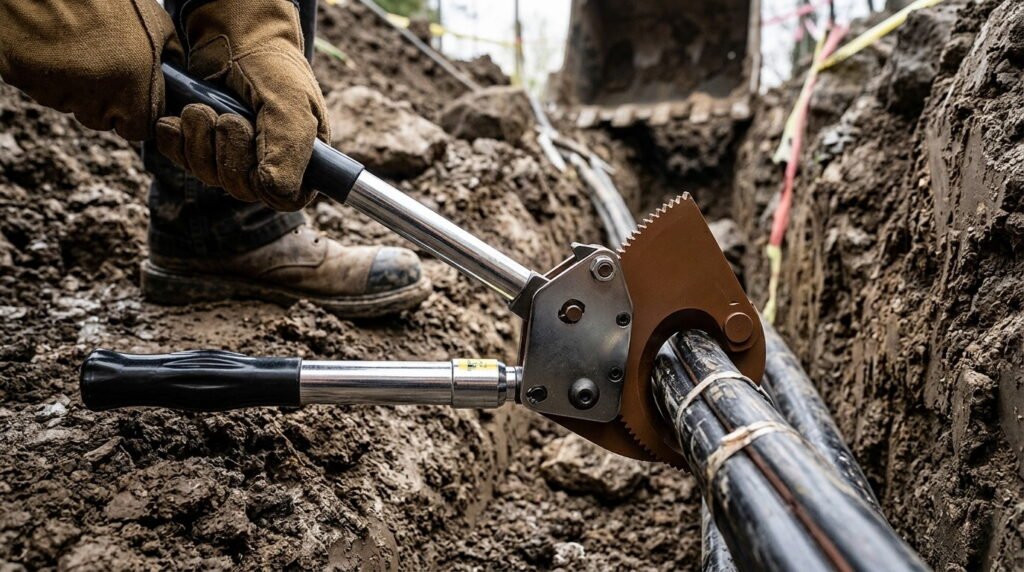
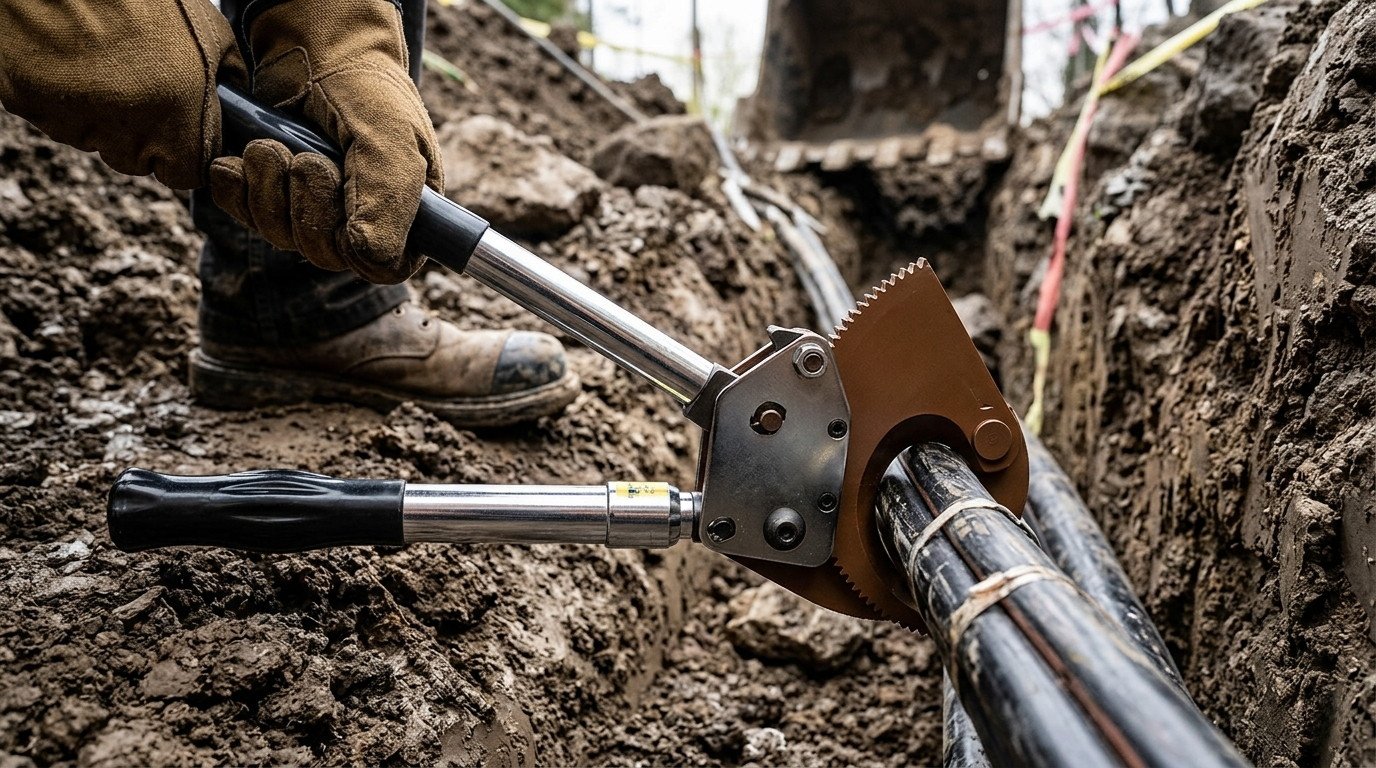
Extendible Ratchet Cable Cutter engineering designs from EPCOM represent a major evolution in high-leverage electrical wire cutting equipment. Historically, industrial technicians faced immense physical challenges when dealing with thick, armored power transmission lines. This cutting-edge tool completely changes that dynamic. By incorporating advanced telescoping handles and a heavy-duty mechanical gear system, this specialized tool simplifies the process of cutting high-gauge copper and aluminum conductors. Consequently, grid installers can achieve clean, perpendicular cuts with minimal physical strain. This technical document explores the physics, metallurgy, and operational workflows associated with this revolutionary tool, showing how it enhances modern power grid installations.
Moreover, the modern utility environment requires tools that conform to strict occupational health and safety standards. Repetitive manual actions involving heavy resistance often lead to long-term physical stress for utility workers. Therefore, EPCOM has engineered the telescopic arm mechanism to maximize mechanical advantage, ensuring every motion delivers maximum force with minimum input. In this comprehensive manual, we will analyze the structural superiority of this hardware, detailing its integration into standard commercial electrical setups.
Unveiling the Power of the Extendible Ratchet Cable Cutter
To fully grasp the utility of this equipment, one must examine its core design features. Unlike standard, fixed-handle cutting tools, an extendible ratchet cable cutter provides a dynamic leverage setting. This means the operator can adjust the overall length of the handle depending on the specific diameter of the target cable. For instance, when an engineer encounters a thick underground utility cable, they can fully extend the telescoping handles. As a result, the physical force required to execute the cut drops drastically.
Furthermore, the ratcheting system utilizes a highly precise, step-by-step gear mechanism. When the operator squeezes the handles, a heavy-duty driving pawl engages with a hardened gear wheel. This wheel gradually drives the cutting blade through the thick metal sheath of the electrical cables. Because the gear prevents the blade from slipping backward, the operator can release pressure and squeeze again without losing progress. Subsequently, this progressive action allows for effortless cutting of tough materials like steel-tape armored cables and high-diameter copper wires.
Additionally, the modular design of the tool ensures that components can be serviced easily in the field. Every gear tooth, retaining spring, and locking pin is manufactured to exact tolerances. This design philosophy prevents unwanted movement or structural failure during high-stress operations. Consequently, industrial contractors depend on this tool for consistent execution under harsh environmental conditions.
The Mechanical Principles Behind Leveraged Cutting
To appreciate how the extendible ratchet cable cutter simplifies heavy industrial cutting, we must investigate the basic physics of levers. In classical mechanics, a lever is a simple machine consisting of a beam pivoted at a fixed hinge, also known as a fulcrum. The input force, or effort, is applied at one end of the beam, while the output force, or load, is delivered at the other end. By adjusting the distance from the effort to the fulcrum relative to the distance from the fulcrum to the load, we can multiply the output force.
Understanding Mechanical Advantage in Heavy Duties
This multiplication of force is scientifically defined as mechanical advantage. Mathematically, it is expressed as the ratio of the output force to the input force. In the case of manual cable cutters, the mechanical advantage increases when the handle is extended. For example, extending the handle from 400 millimeters to 800 millimeters effectively doubles the leverage arm. Therefore, the operator only needs to apply half the physical force to achieve the exact same shearing action at the blade.
Moreover, this lever action is further multiplied by the internal gear system of the extendible ratchet cable cutter. The gear ratios are designed to break a single continuous cutting stroke into several dozen micro-strokes. Each individual stroke advances the blade by only a fraction of a millimeter. However, the concentration of force at the sharp blade edge is immense. This mechanical combination of a long lever arm and a high-ratio ratchet gear allows human hands to easily cut through solid metal sheaths that would otherwise require high-power automated machinery.
Why Choose an Extendible Ratchet Cable Cutter over Standard Designs
Standard fixed-length cutters present significant limitations during complex field installations. For example, if a tool is too short, the operator cannot generate sufficient torque to cut through steel-jacketed lines. Conversely, if a tool is built with permanently long handles, it becomes extremely bulky. This bulkiness makes it impossible to use in tight spaces, such as inside underground vaults, electrical manholes, or compact distribution cabinets. Thus, the extendible ratchet cable cutter provides the perfect hybrid solution for modern electrical work.
Furthermore, the flexibility of the extendible handles allows the same tool to be utilized for light-duty and heavy-duty tasks alike. When working on thin-gauge wires, the technician can keep the handles collapsed for fast, agile cutting. When transitioning to thicker, primary distribution cables, they can instantly extend the handles to tackle the high physical resistance. This adaptability eliminates the need for technicians to carry multiple heavy tools to the job site. Consequently, it improves workflow efficiency and reduces the weight of the technician’s mobile toolset.
In addition, the advanced safety lock on the telescoping mechanism ensures the handles remain securely in place during operation. The lock features a spring-loaded detent pin that snaps into precisely machined grooves along the inner shaft. This design prevents the handles from unexpectedly collapsing or sliding while the operator is applying maximum physical force. Therefore, the technician can work with absolute confidence, knowing the tool’s structural integrity is completely stable.
The Anatomy of EPCOM Premium Cutting Tools
Every extendible ratchet cable cutter manufactured by EPCOM is built with high-quality components designed for long-term reliability. We understand that field tools are subjected to drops, moisture, mud, and extreme temperatures. Because of these challenges, our engineering team selects only premium raw materials and utilizes advanced heat-treatment processes. This section details the specific metallurgy and design features that set our tools apart from standard commercial hardware.
High-Grade Steel Jaws and Metallurgy
The cutting blades are the most critical part of the entire assembly. For this reason, EPCOM utilizes a premium chrome-vanadium steel alloy, which is vacuum-hardened to precise specifications. This alloy provides an exceptional balance between hardness and structural toughness. While high hardness prevents the blade edge from dulling or chipping when cutting a tough copper conductor, high toughness prevents the blade from fracturing under sudden impact. Furthermore, the blade profiles are ground using computerized high-precision machinery, resulting in a razor-sharp, low-friction wedge shape that slides smoothly through dense metal structures.
The Telescopic Extension Handle Engineering
The extendible handles are constructed from lightweight, aircraft-grade seamless aluminum tubing. This material choice is intentional, as it keeps the overall weight of the tool exceptionally low. This light weight prevents hand fatigue during extended manual cutting tasks. Despite being lightweight, the structural design features reinforced walls that resist bending or twisting under extreme force. In addition, the exterior of the handles is coated with an ergonomic, non-slip thermoplastic rubber sleeve. This sleeve provides an excellent grip even in wet or oily conditions, protecting the operator from slippage and potential hand injuries.
How to Operate the Extendible Ratchet Cable Cutter Safely
Operating a high-force industrial tool requires strict adherence to proper safety procedures. Before initiating a cut, the technician must always wear appropriate personal protective equipment, including heavy-duty leather work gloves and impact-resistant safety glasses. This gear protects the worker from sharp metal burrs and potential flying debris. This section outlines the step-by-step process for executing a perfect, safe cut using our extendible ratchet cable cutter.
First, the technician must inspect the cable to ensure it is completely de-energized. Never attempt to use standard manual cutters on live electrical lines. Once safety is verified, adjust the handle length of the extendible ratchet cable cutter to match the cable diameter. For larger cables, fully extend the telescopic handles by pressing the release button and pulling the outer sleeve until the detent pin snaps securely into the furthest locking position. Next, open the cutting jaws of the tool and position them perpendicular to the cable shaft. This perpendicular alignment ensures a flat, clean cut, which is essential for subsequent splicing and crimping operations.
Subsequently, begin squeezing the handles of the extendible ratchet cable cutter together. As you do, you will hear a distinct clicking sound from the ratcheting gear. This sound confirms that the driving pawl has successfully engaged the next tooth on the gear wheel. Release the handles slightly to allow them to reset, and then squeeze again. Repeat this cycling motion until the blade cuts completely through the cable. During this process, ensure your hands remain on the rubberized grip areas of the handles. Do not apply force to the metal joints or the cutting head, as this can lead to serious injury or misalignment of the blades.
Integrating Modern Tools for Complete Utility Workflows
A successful power distribution installation involves several critical phases beyond simply cutting the cable. Once a thick power cable is cut, the technician must strip the insulation, install terminal connectors, and secure the lines to support poles or within vaults. To execute these subsequent steps with high precision, EPCOM offers a fully integrated suite of premium utility tools. Utilizing matching equipment from a single manufacturer ensures maximum compatibility, durability, and safety across the entire installation workflow.
Combining Cutters with a Battery-Powered Hydraulic Crimper
After the extendible ratchet cable cutter has created a perfectly flat, clean cut, the next step is often terminating the cable. This requires applying massive, uniform pressure to crimp heavy copper lugs onto the bare conductor ends. For this demanding task, we highly recommend pairing your cutter with our premium battery-powered hydraulic crimper. This electro-hydraulic tool delivers precise, calibrated crimping force at the push of a button. By using a clean cut from our manual cutter, the conductor fits flawlessly into the crimp lug, resulting in a highly secure joint with minimal electrical resistance.
Furthermore, the battery-powered hydraulic crimper features a smart micro-control system that automatically detects when maximum pressure is reached. Once the crimp is complete, the hydraulic piston retracts automatically, saving battery power and reducing cycle times. This automated action removes human error from the crimping process. Consequently, the utility network benefits from long-lasting, highly reliable electrical connections that easily withstand extreme thermal expansion and physical tension.
Streamlining Joint Installations via Insulation Piercing Connectors
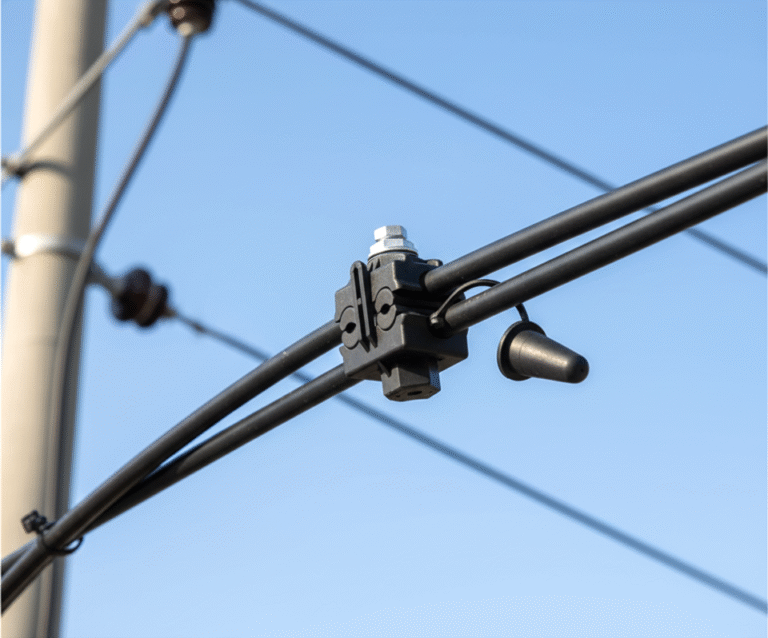
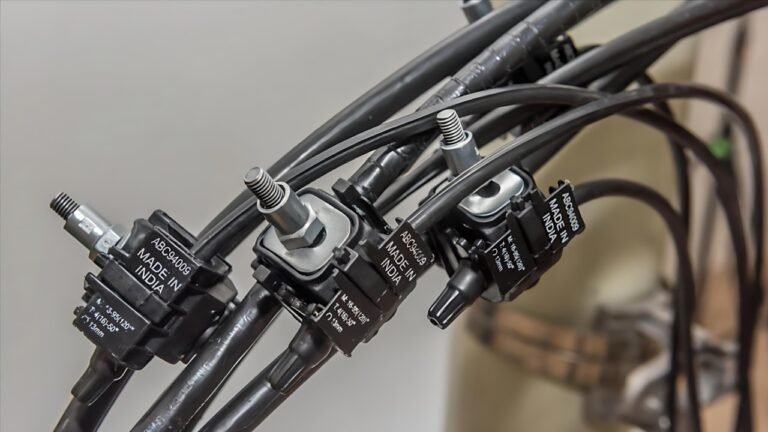
In low-voltage aerial distribution systems, connecting branch lines to the main insulated overhead cable is a common requirement. In the past, this process required stripping the main line’s tough insulation, which exposed the conductor to moisture and corrosion. Today, technicians can completely bypass this risky process by using our high-quality JJC insulation piercing connector. This specialized connector features sharp, tin-plated copper alloy teeth that pierce through the cable insulation during installation, contacting the core conductor without stripping.
Moreover, the JJC insulation piercing connector is designed with a shear-head bolt. When the technician tightens this bolt using an insulated wrench, it applies uniform force to the piercing teeth. Once the optimal contact pressure is achieved, the bolt head shears off automatically. This built-in torque control prevents over-tightening, protecting the underlying conductor strands from physical deformation or shearing. Consequently, this connector provides a highly reliable, waterproof, and insulated connection that can be safely installed on energized low-voltage lines.
Securing Infrastructure with Stainless Steel Tensioners
Once electrical cables are cut, spliced, and terminated, they must be firmly secured to support structures to prevent sagging and physical damage. Whether mounting cables to concrete poles, utility towers, or within industrial cable trays, high-strength metal strapping is the industry standard. To install this strapping with high speed and precision, field crews utilize our professional-grade SS cable tie tensioner. This specialized tool allows technicians to easily tighten, lock, and cut heavy-duty stainless steel bands with a single manual motion.
In addition, the SS cable tie tensioner features a heavy-duty ratchet tensioning mechanism and an integrated cutting blade. The operator simply feeds the stainless steel strap through the tool, squeezes the tensioning handle to pull the band to the required tightness, and then activates the cut-off lever. This clean cut eliminates sharp, dangerous edges, protecting the cable insulation from punctures and safeguarding field crews from cuts during future maintenance. Consequently, this tool is indispensable for ensuring the physical stability of modern electrical infrastructure.
Comparative Specifications of the Extendible Ratchet Cable Cutter
To help you select the ideal cutting tool for your projects, we have compiled a detailed comparative specification table. This table contrasts different classes of manual and heavy-duty cable cutting tools. By analyzing these specifications, engineering procurement managers can make informed decisions that optimize field performance and budget allocation.
| Tool Specifications | Standard Fixed Cutter | EPCOM Extendible Ratchet Cable Cutter | Pneumatic Power Cutter |
|---|---|---|---|
| Maximum Cable Diameter | Up to 250 mm² (Copper) | Up to 500 mm² (Copper/Alum) | Up to 630 mm² (Multi-Core) |
| Leverage Handle Range | Fixed (400 mm) | Extendible (350 mm – 750 mm) | N/A (Piston Driven) |
| Operating Mechanism | Direct Manual Shear | Heavy-Duty Multi-Gear Ratchet | Compressed Air System |
| Total Equipment Weight | Approximately 2.8 kg | Approximately 3.4 kg | Exceeds 8.5 kg (with Hose) |
| Required External Power | None (100% Manual) | None (100% Manual Lever) | Pneumatic Compressor |
| Maintenance Frequency | Frequent Blade Sharpening | Low (Self-Cleaning Gear) | High (Seal Replacement) |
Efficiency and Force Output Metrics of the Extendible Ratchet Cable Cutter
Understanding the exact mathematical relationship between handle length and manual effort is essential for engineering planning. When technicians utilize the extendible ratchet cable cutter, the primary goal is reducing the force required from the human arm. This direct performance boost is illustrated below in our detailed leverage analysis chart, showing how required input force decreases as handle length increases.
As clearly demonstrated by this visual data, expanding the telescopic arm from its compact storage state to its fully deployed setting results in a massive 72% reduction in manual cutting effort. This incredible advantage drastically lowers operator fatigue during long shifts, improving workplace safety and dramatically accelerating installation times across urban utility expansions.
Field Maintenance for Your Extendible Ratchet Cable Cutter
To guarantee that your extendible ratchet cable cutter delivers peak performance over many years, a regular maintenance program is vital. Even the most robust industrial tools require systematic cleaning, lubrication, and inspection. Neglecting these basic maintenance practices can lead to dirt buildup within the ratcheting gear, reducing mechanical efficiency and accelerating blade wear. This section provides detailed maintenance procedures for field technicians.
Cleaning and Debris Removal Protocols
During cutting operations, metal dust, microscopic filings, and particles of cable insulation often get trapped in the ratcheting gear. Consequently, the technician should thoroughly clean the tool at the end of every work day. Start by collapsing the telescoping arms of the extendible ratchet cable cutter. Next, use a stiff nylon-bristled brush to sweep away all loose dust, grit, and metallic debris from the gear teeth and the driving pawl mechanism. Once the larger particles are removed, wipe down the entire tool, especially the chrome-vanadium steel blades, with a clean, lint-free microfiber cloth. This daily cleaning prevents abrasive particles from scratching the moving parts, maintaining smooth, effortless operation.
Blade Sharpening and Replacement Procedures
Over months of constant use on heavy copper and aluminum cables, the cutting edges of the blades will eventually lose their razor sharpness. Using dull blades significantly increases the physical force required to execute a cut, placing unnecessary stress on both the technician and the tool’s structural components. Therefore, the blades of the extendible ratchet cable cutter must be regularly inspected for tiny chips, rolling edges, or general dullness. If slight dullness is detected, the cutting edge can be carefully dressed using a fine-grit diamond sharpening file. Maintain the original factory bevel angle during filing. If the blades are severely chipped or worn beyond repair, they should be replaced immediately. EPCOM provides genuine replacement blade kits that can be quickly installed in the field using standard tools, restoring your cutter to factory performance.
Why EPCOM Is Your Premier Infrastructure Partner
At EPCOM, our core mission is delivering maximum reliability, safety, and efficiency to power utility and telecommunication projects worldwide. We understand that field crews require professional-grade tools that perform flawlessly under the most challenging weather and geological conditions. Because of this, every product in our catalog undergo rigorous Quality Assurance and mechanical stress testing before leaving our manufacturing facilities. By selecting EPCOM as your primary hardware partner, you secure premium tools built to withstand decades of intensive field operation.
Moreover, our global supply chain and dedicated customer support teams are always ready to assist you with technical inquiries, bulk logistics, and field training. Whether you are expanding an urban fiber-optic network or constructing a multi-megawatt solar farm, we provide tailored, comprehensive solutions that keep your projects running smoothly, safely, and within budget. Partner with EPCOM today and experience the incredible difference that premium, scientifically designed tools bring to your operations.
Industrial Case Studies of the Extendible Ratchet Cable Cutter
To prove the practical benefits of this equipment, we can look at real-world data from large-scale municipal infrastructure upgrades. In these demanding environments, tool reliability directly impacts project completion times, labor costs, and overall worker safety. This section details two case studies where our extendible ratchet cable cutter played a key role in achieving outstanding project outcomes.
Power Grid Expansion Project Performance
In a major regional power grid expansion project, contractor crews were tasked with installing over 120 kilometers of medium-voltage underground distribution lines. This project required executing thousands of precise cable cuts and splicing joints in extremely tight underground vaults. Initially, the installation crews used standard, fixed-handle manual cutters. However, the heavy physical effort required to cut the thick aluminum conductors caused widespread hand fatigue. Consequently, this fatigue slowed down installation times and increased workplace injuries, threatening the strict project schedule.
To overcome these challenges, the project management team replaced their standard hand tools with the EPCOM extendible ratchet cable cutter. The results were immediate and highly impressive. Thanks to the massive mechanical advantage provided by the telescoping handles and the multi-gear ratcheting mechanism, technicians executed cuts in less than half the time, with minimal physical strain. Furthermore, the clean, flat cuts generated by the tool allowed for faster jointing. This rapid progress allowed the contractor to finish the underground distribution phase two weeks ahead of schedule, saving thousands of dollars in labor costs and earning high praise from the regional utility commission.
Urban Telecommunication Upgrade Execution
In a second case study, an urban telecommunication provider launched a massive infrastructure upgrade to install high-density multi-core cables across a major metropolitan area. This project required technicians to work on aerial platforms and elevated utility poles, where maintaining physical balance and using bulky tools is highly challenging. The permanent, long handles of standard heavy-duty cutters proved far too awkward to manage safely in these tight, elevated spaces, creating significant safety risks for the field crews.
By transitioning to the compact and highly versatile EPCOM extendible ratchet cable cutter, the telecom field crews solved this safety and operational issue. Technicians easily carried the lightweight tool on their work belts with the handles fully collapsed. Once positioned on the elevated utility pole, they adjusted the telescopic handles to the exact length required to cut the tough cable sheaths. This incredible flexibility maximized leverage while keeping the tool completely manageable in confined spaces. Consequently, the upgrade project was completed with zero safety incidents and a 35% increase in daily installation efficiency.
Selecting the Ideal Model of Extendible Ratchet Cable Cutter
When purchasing equipment for your field crews, it is vital to select the model that matches the specific demands of your projects. EPCOM manufactures a comprehensive range of high-leverage manual cutters, each optimized for different cable materials and maximum cross-sectional cutting areas. This section provides key guidelines to ensure your procurement team selects the perfect tool for your operations.
First, evaluate the primary metals that your crews cut on a daily basis. If your projects primarily involve standard copper and aluminum conductors, our standard extendible ratchet cable cutter models provide exceptional speed, clean cuts, and long-lasting blade life. However, if your crews frequently cut ACSR (Aluminum Conductor Steel Reinforced) lines, which feature a high-strength steel core wire, you must specify our specialized model with reinforced, ultra-hard carbide-tipped blades. Attempting to cut steel-reinforced cable with standard copper-cutting blades will cause premature wear or chipping. By choosing the correct tool configuration, you maximize performance, ensure worker safety, and extend the lifespan of your valuable EPCOM equipment.
In conclusion, the EPCOM extendible ratchet cable cutter is an indispensable, high-performance tool that brings unmatched power, versatility, and ergonomic comfort to modern power utility and telecommunication projects. By combining an advanced telescoping handle design with a high-precision multi-gear ratcheting mechanism, this manual cutter multiplies physical force, allowing technicians to cut heavy distribution cables with absolute ease. When integrated with other premium EPCOM field tools, such as our battery-powered hydraulic crimper, JJC insulation piercing connector, and SS cable tie tensioner, your crews gain a complete, highly compatible installation system that guarantees top-tier safety and maximum efficiency. Invest in EPCOM professional tools today to elevate the quality, reliability, and speed of your infrastructure projects.