Composite Insulator Solutions for Modern Power Grids
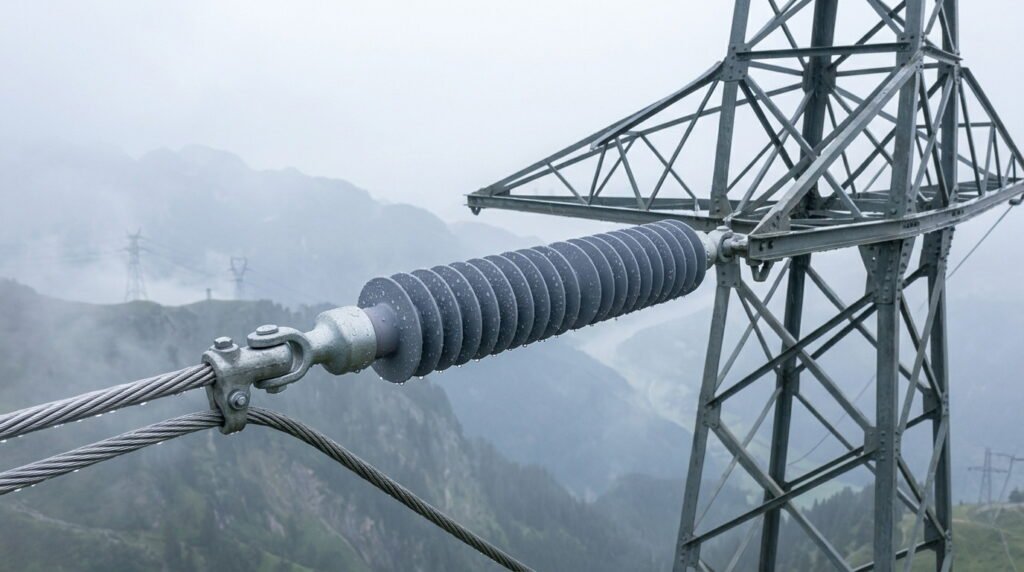
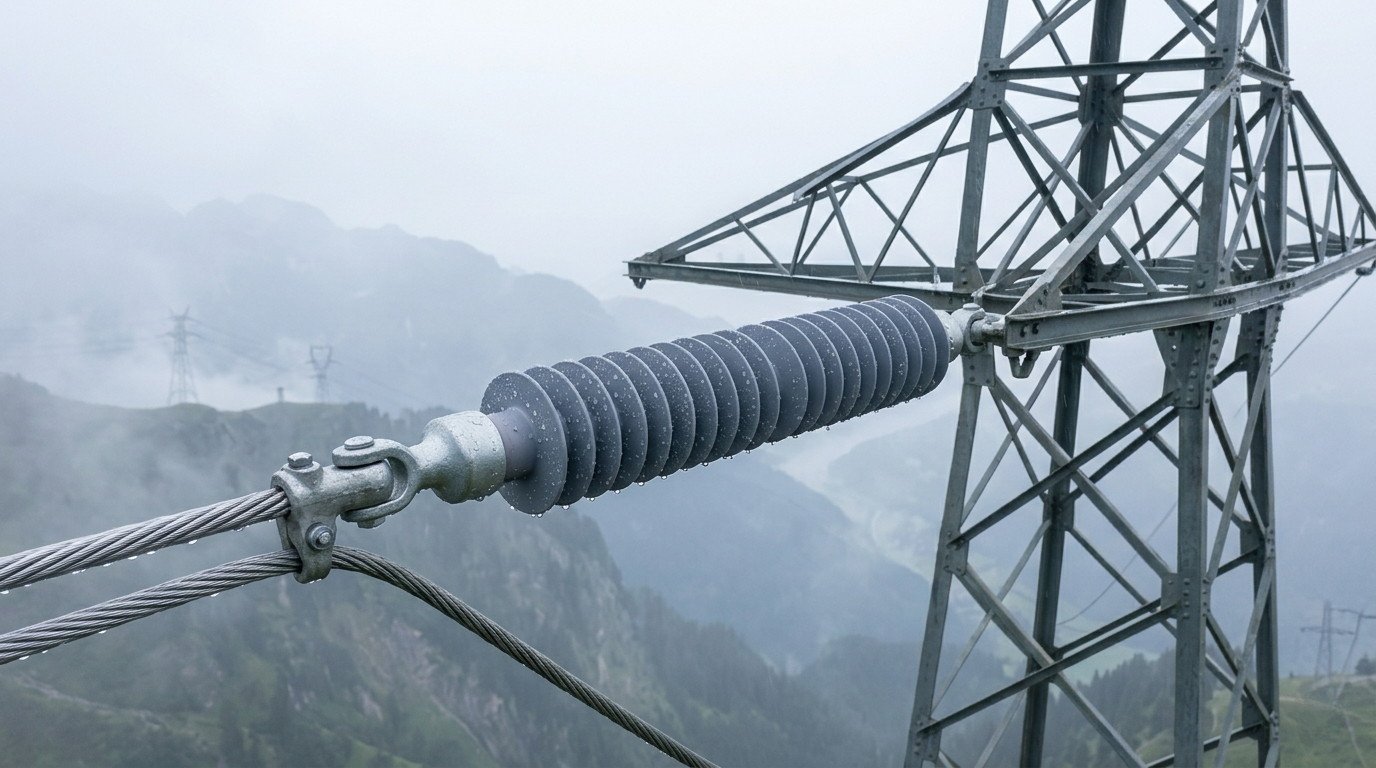
Composite Insulator solutions represent the pinnacle of modern electrical distribution and transmission technology. EPCOM provides high-performance polymer insulators designed to withstand the harshest environmental conditions globally. Our engineering team focuses on merging mechanical strength with superior dielectric properties. Consequently, utility companies prefer these lightweight alternatives over traditional porcelain or glass options. We ensure each product meets international IEC standards for long-term reliability. By utilizing silicone rubber housing, these units prevent flashovers caused by heavy pollution or coastal salt spray. Therefore, maintaining grid stability becomes much more manageable for operators. Additionally, the core of our designs features a high-grade fiberglass rod for maximum tensile load capacity. EPCOM continues to innovate in the field of power line safety and efficiency. This commitment ensures that every Composite Insulator we ship offers unmatched service life.
Why Choose EPCOM Composite Insulator for High Voltage?
The transition to polymer-based materials has revolutionized the energy sector. EPCOM leads this change by offering custom solutions for various voltage levels. First, the hydrophobic nature of our silicone rubber sheds water instantly. This characteristic is vital for preventing leakage currents during heavy rain or fog. Second, the lightweight design of a Composite Insulator significantly reduces transportation and installation costs. Linemen find them much easier to handle than heavy ceramic strings. Furthermore, the impact resistance of polymer materials prevents damage during transit or handling. Unlike glass, these insulators do not shatter easily. This durability reduces maintenance cycles and replacement expenses over decades of use. Moreover, EPCOM designs these products to resist UV radiation and chemical erosion. Such resilience is critical for industrial zones where corrosive gases are present. Thus, our technology provides a safe path for electrical energy across thousands of miles.
Integrating ACSR Conductors with Modern Insulation
To achieve optimal performance, high-quality insulation must pair with the right electrical conductors. EPCOM highly recommends using our ACSR Conductors for overhead transmission lines. These Aluminum Conductor Steel Reinforced cables provide the necessary mechanical strength to span long distances between towers. When a Composite Insulator supports an ACSR line, the entire system benefits from balanced tension and reduced sag. The steel core provides the tensile strength, while the outer aluminum strands offer high conductivity. Because ACSR is versatile, it works perfectly in both rural and urban environments. EPCOM ensures that our conductors are manufactured to minimize corona loss and radio interference. Proper matching between the insulator and the conductor prevents premature wear on the hardware. Consequently, the synergy between these components extends the life of the entire infrastructure. We provide detailed technical support to help you select the correct conductor size for your specific project needs. Trust EPCOM for a unified approach to power delivery.
Technical Specifications of Composite Insulator Systems
Understanding the technical parameters is essential for any power project. EPCOM provides transparent data for all our power line components. Below is a detailed comparison of common insulator configurations and their mechanical ratings. We emphasize the importance of matching the Specified Mechanical Load (SML) with your tower design requirements. A properly specified Composite Insulator prevents catastrophic failure during extreme wind or ice loading. Our testing facility subjects every batch to rigorous mechanical and electrical tests. For instance, we perform steep-front impulse voltage tests and cantilever load tests. These procedures guarantee that our products exceed the requirements set by the IEEE standards. By maintaining strict quality control, EPCOM has earned the trust of national grids worldwide. We believe that detailed data empowers engineers to build more resilient networks. Our commitment to accuracy reflects our core values as a leading manufacturer in the energy industry.
| Insulator Type | Voltage Rating (kV) | SML (kN) | Pollution Level |
|---|---|---|---|
| Suspension Composite Insulator | 11kV – 500kV | 70 – 160 | Very Heavy |
| Post Composite Insulator | 10kV – 220kV | 4 – 20 | Medium to Heavy |
| Pin Type Composite Insulator | 11kV – 33kV | 5 – 12 | Heavy |
Optimizing Performance with Preformed Suspension Clamps
Every Composite Insulator string requires reliable attachment hardware. EPCOM recommends the use of a Preformed Suspension Clamp to ensure long-term conductor safety. These clamps protect the conductor from fatigue caused by aeolian vibrations. Standard rigid clamps can create stress points that lead to wire breakage over time. However, our preformed design distributes the clamping pressure evenly along the conductor surface. This distribution is particularly important for aluminum-based conductors like ACSR. Furthermore, the installation process is straightforward and does not require specialized hydraulic tools. EPCOM ensures that the materials used in our clamps are compatible with the galvanized steel fittings of our insulators. This compatibility prevents galvanic corrosion, which is a common cause of line failure. By integrating our suspension solutions, you guarantee a more robust connection. The flexibility of the helical rods allows for slight movement without compromising structural integrity. Therefore, your grid remains functional even during stormy weather conditions.
The Necessity of Preformed Tension Clamps for Dead-Ends
Dead-end structures face the highest levels of mechanical stress in any transmission line. At these points, a heavy-duty Composite Insulator must be paired with a high-strength Preformed Tension Clamp. EPCOM manufactures these clamps using high-strength aluminum alloy and galvanized steel. They are designed to hold the full rated breaking strength of the conductor without slipping. When you install a tension insulator, the clamp provides the final anchor point. Our preformed technology ensures that the conductor remains undamaged under high tension. This is crucial for maintaining the required ground clearance for safety. Moreover, the ease of inspection makes these clamps a favorite among maintenance teams. EPCOM provides various sizes to match different conductor diameters perfectly. We also include detailed installation guides to ensure every connection is secure. Using matched components from a single supplier like EPCOM reduces the risk of compatibility issues. This holistic approach to line design is what sets us apart from the competition.
Reliability Statistics for Composite Insulator Performance
Data from global power utilities confirms the superiority of polymer insulation. EPCOM has analyzed performance metrics over the last twenty years to refine our manufacturing process. We have observed a significant decrease in outage rates in areas that switched to Composite Insulator technology. Specifically, flashover incidents in polluted environments have dropped by nearly 60%. This improvement is attributed to the continuous hydrophobicity of the silicone housing. Furthermore, the total cost of ownership is lower despite the initial material costs. Reduced cleaning requirements and easier installation contribute to these savings. EPCOM remains committed to sustainable manufacturing practices that reduce environmental impact. Our products are designed for a 30-year service life under standard operating conditions. We also work closely with international bodies like the International Electrotechnical Commission to update safety standards. By choosing EPCOM, you are investing in a future-proof power grid. Our statistics show that reliability increases when high-quality hardware and insulators work together.
Comparative Failure Rate Over 20 Years (%)
Figure 1: Maintenance incidents show that EPCOM Composite Insulator units maintain significantly higher stability over a 20-year span compared to traditional porcelain insulators.
Environmental Benefits of Composite Insulator Deployment
Sustainability is a core pillar of EPCOM’s operations. The manufacturing of a Composite Insulator consumes significantly less energy than firing porcelain in a kiln. This reduction in carbon footprint helps utilities meet their green energy targets. Furthermore, the lighter weight means fewer trucks are needed for large-scale deployments. This logistics efficiency further reduces greenhouse gas emissions during the construction phase. Once installed, the self-cleaning properties of silicone rubber minimize the need for water-intensive cleaning operations. In arid regions, this water conservation is a vital secondary benefit. EPCOM also uses recyclable materials in our packaging to reduce site waste. We believe that protecting the environment is as important as protecting the power line. By selecting our polymer solutions, you are choosing an eco-friendly path for infrastructure growth. Our team constantly researches new materials to enhance the biodegradability of our components at the end of their life cycle. Trust EPCOM to lead the way in sustainable power hardware.
Installation Best Practices for Composite Insulator Units
Proper installation is key to the longevity of a Composite Insulator string. EPCOM provides comprehensive training materials for all our clients. First, it is crucial to avoid touching the silicone sheds with greasy gloves. Contaminants can temporarily reduce the hydrophobic effect of the surface. Second, ensuring the correct alignment of the end fittings prevents unnecessary torsional stress. Our fittings are hot-dip galvanized to ensure they lock perfectly with standard tower hardware. When installing conductors, always use the recommended torque for our Preformed Suspension Clamp. Over-tightening can damage the aluminum strands of the ACSR Conductors. Likewise, using a Preformed Tension Clamp ensures that the mechanical load is carried by the steel core. EPCOM recommends a final visual inspection to check for any shed damage during the lifting process. Small nicks can be repaired with silicone sealant, but major tears require unit replacement. Following these simple steps ensures that your investment remains secure for decades. We are always available for on-site consultation to verify installation quality.
Future Trends in Composite Insulator Technology
The industry is moving toward “smart” insulators with integrated sensors. EPCOM is currently developing a Composite Insulator that can monitor leakage current in real-time. This data allows for predictive maintenance, alerting operators before a flashover occurs. Such technology is essential for the transition to smart grids and high-voltage DC transmission. Furthermore, we are experimenting with nano-coatings that enhance self-cleaning capabilities even further. These advancements will make our insulators even more effective in extreme industrial environments. EPCOM invests heavily in R&D to stay ahead of these trends. We collaborate with leading universities to test new fiberglass formulations for better acid resistance. Our goal is to create an insulator that is virtually maintenance-free. As global energy demand grows, the need for reliable insulation becomes more acute. We are ready to meet this challenge with innovative products and a customer-first approach. The next generation of power lines will rely on the stability and intelligence provided by EPCOM solutions.
In conclusion, the combination of high-quality materials and expert engineering makes the EPCOM Composite Insulator the best choice for modern power grids. By pairing these insulators with our specialized clamps and conductors, you create a high-performance system. We invite you to contact our technical team for a detailed quote on your next project. Let us help you build a safer and more efficient electrical future together.