High Precision Fusion Splicer: Superior EPCOM Tools
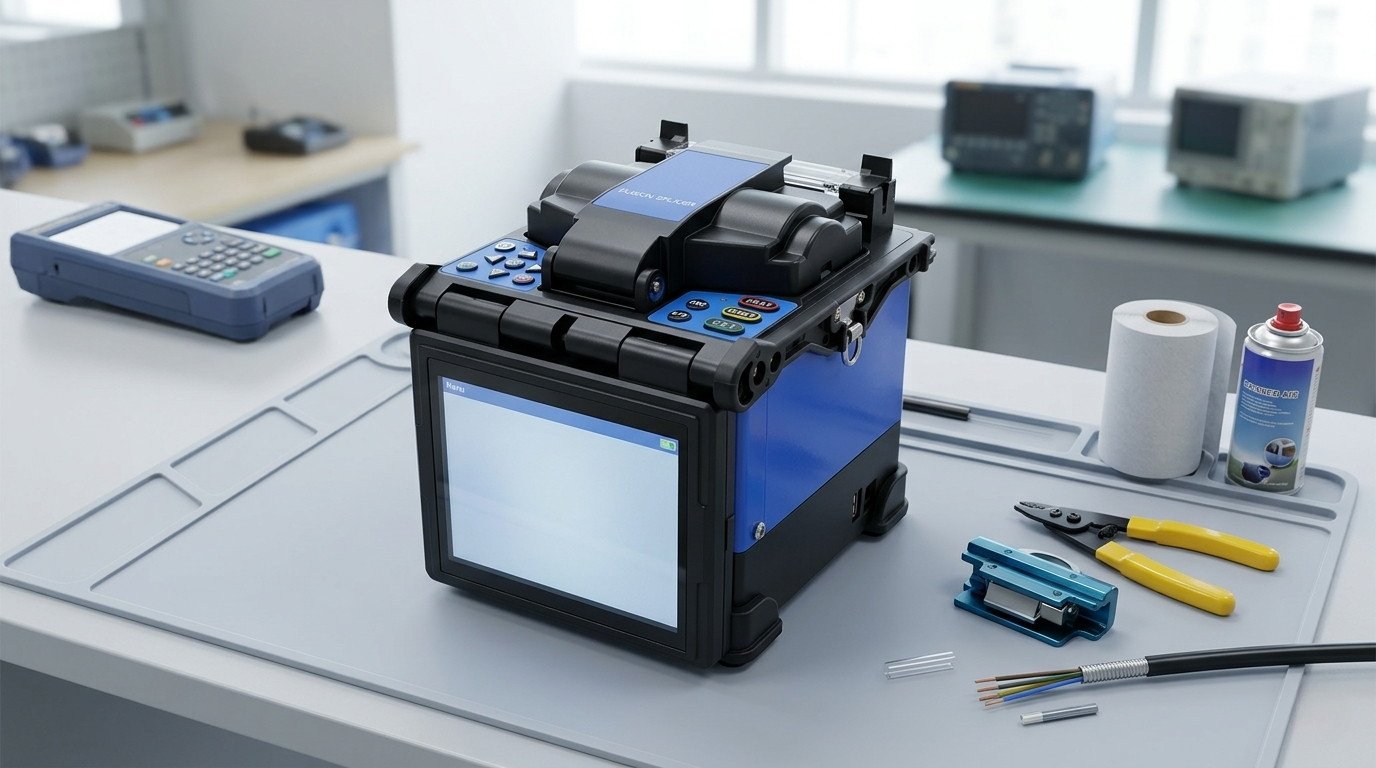
High Precision Fusion Splicer technology represents the pinnacle of modern optical fiber infrastructure maintenance and deployment. Therefore, EPCOM provides advanced solutions to ensure minimal signal loss in telecommunications networks. In today’s digital era, the demand for bandwidth is growing rapidly. Consequently, technicians must rely on a High Precision Fusion Splicer to achieve seamless connectivity. This device uses electric arcs to melt two optical fibers together. Moreover, the accuracy of this alignment determines the overall efficiency of the data transmission. EPCOM understands these technical requirements deeply. Thus, our equipment is designed to meet the most rigorous industry standards worldwide.
The Importance of a High Precision Fusion Splicer in Modern Telecom
Optical fiber networks form the backbone of global communication. However, these networks are only as strong as their weakest link. Frequently, the weakest link is a poorly executed splice. Using a High Precision Fusion Splicer ensures that the core-to-core alignment is perfect. Furthermore, this precision reduces attenuation significantly. If the splice loss is too high, the entire network performance suffers. For this reason, professional contractors always choose EPCOM for their critical projects. Our machines offer consistent results in various environmental conditions. Whether you are working in a dusty desert or a humid forest, the reliability remains constant. This consistency is why the industry trusts our hardware for long-haul installations.
Besides pure performance, speed is a vital factor. Modern projects often involve thousands of splices. Therefore, a High Precision Fusion Splicer must operate quickly without sacrificing quality. EPCOM models feature rapid heating and fast splicing cycles. Consequently, technicians can complete their tasks ahead of schedule. This efficiency translates directly into lower operational costs. In addition, the user interface is designed for simplicity. Even with complex technology inside, the external operation is intuitive. We believe that professional tools should empower the user. As a result, our development team focuses on ergonomic designs and clear displays. This approach minimizes human error during the splicing process.
Essential Preparation Tools for Optical Fiber Splicing
To achieve the best results, preparation is just as important as the fusion itself. One cannot expect a High Precision Fusion Splicer to fix a bad fiber end. First, you must strip the fiber correctly. We highly recommend using the 3-hole fiber stripping plier for this task. This tool allows for precise removal of the buffer and coating. After stripping, cleaning the bare fiber is the next critical step. Any dust or residue can cause a bubble in the splice. Consequently, the High Precision Fusion Splicer will detect a fault and reject the splice. EPCOM emphasizes the use of high-purity isopropyl alcohol during this stage.
Next, the fiber must be cleaved. A clean, 90-degree cut is essential for low-loss splicing. For this purpose, the high precision fiber cleaver is the industry standard. This cleaver ensures that the fiber face is smooth and perpendicular. If the cleave angle is too large, the High Precision Fusion Splicer cannot align the cores. Furthermore, a poor cleave can damage the electrodes of the splicer. Therefore, investing in quality preparation tools protects your primary investment. EPCOM provides these tools as part of a comprehensive ecosystem. By using matched components, you ensure the highest possible success rate for every joint.
How a High Precision Fusion Splicer Handles Different Fiber Types
There are many types of optical fibers used today. For example, single-mode fibers are common in long-distance applications. Conversely, multi-mode fibers are often found in data centers. A versatile High Precision Fusion Splicer must be compatible with both. EPCOM units come with pre-programmed modes for various fiber categories. This automation helps technicians switch between tasks effortlessly. Additionally, specialty fibers like Dispersion Shifted (DS) fibers require specific arc parameters. Our technology adjusts the discharge intensity based on the fiber’s characteristics. Consequently, the splice remains durable and low-loss regardless of the material. This adaptability is a hallmark of EPCOM engineering.
Technical Comparison of Splicing Equipment
| Feature | Standard Splicer | EPCOM High Precision Fusion Splicer |
|---|---|---|
| Alignment Method | Cladding Alignment | Core-to-Core Alignment |
| Average Loss (SM) | 0.05dB | 0.02dB |
| Splicing Time | 9-12 Seconds | 6-8 Seconds |
| Battery Life | 150 Cycles | 260+ Cycles |
Testing and Validation After Using a High Precision Fusion Splicer
Once the splicing is complete, verification is mandatory. Even with a High Precision Fusion Splicer, external factors can affect the quality. For instance, micro-bends in the protective sleeve can cause loss. Therefore, technicians must use an OTDR to test the link. An Optical Time Domain Reflectometer provides a visual map of the fiber. It shows the exact location and magnitude of every event. If a splice is substandard, the OTDR will highlight it immediately. Consequently, the team can re-splice the connection before leaving the site. EPCOM recommends keeping detailed records of these tests for quality assurance purposes.
Furthermore, regular maintenance of your High Precision Fusion Splicer is required. Dust inside the camera lens can distort the image. As a result, the alignment might become inaccurate. EPCOM suggests cleaning the V-grooves and electrodes after every workday. This simple routine extends the life of the machine significantly. Additionally, electrode replacement should happen according to the manufacturer’s counter. When electrodes wear out, the arc becomes unstable. This instability leads to higher splice losses. By following these maintenance steps, you ensure that your EPCOM equipment remains in top condition for years. Professional fusion splicing standards require this level of care.
Advanced Features of EPCOM Splicing Solutions
Innovation is at the heart of EPCOM’s mission. Our High Precision Fusion Splicer models often include GPS tracking. This feature allows managers to monitor where work is being performed. Moreover, Bluetooth connectivity enables data transfer to mobile apps. This modern integration streamlines the reporting process for field workers. Instead of manual logs, the High Precision Fusion Splicer sends results directly to the cloud. Consequently, project managers can track progress in real-time. This digital transformation reduces paperwork and increases accuracy across the board.
Market Trends in Fiber Optic Connectivity
Why Quality Control Matters in Fiber Deployment
Using a High Precision Fusion Splicer is not just about the moment of splicing. It is about the long-term reliability of the network. If a splice degrades over time, it can cause intermittent outages. These outages are notoriously difficult to troubleshoot. However, a splice made by an EPCOM High Precision Fusion Splicer is structurally sound. The heat control during the arc process ensures that the glass fuses perfectly. Therefore, the joint is as strong as the original fiber. This mechanical strength is vital for cables that might experience tension. For example, aerial cables are subject to wind and ice loading. In such cases, the integrity of the splice is tested every day.
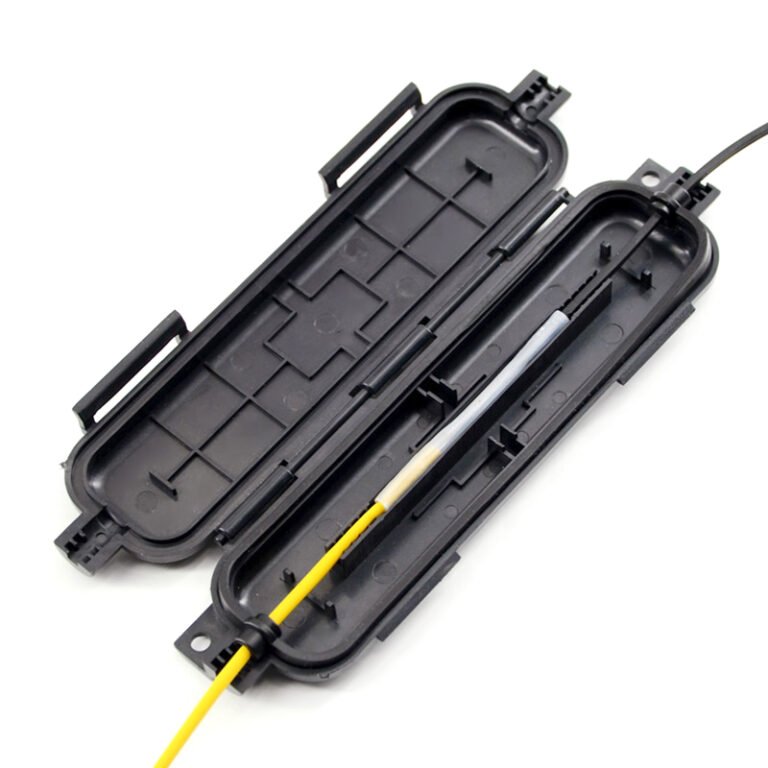
In addition, proper protection of the splice is essential. After using the High Precision Fusion Splicer, a heat-shrink sleeve is applied. This sleeve protects the bare glass from moisture and physical damage. EPCOM machines include an integrated heater for this purpose. The heater applies uniform temperature to ensure a bubble-free seal. Consequently, the fiber remains protected for its entire service life. We also suggest utilizing ITU-T G.652 standards for signal quality benchmarks. Following these global guidelines ensures that your network is compatible with future upgrades. EPCOM stays updated with these standards to provide the best advice to our clients.
Expanding Your Capacity with the Right High Precision Fusion Splicer
Business growth in the telecommunications sector requires investment. Specifically, owning a High Precision Fusion Splicer allows a company to take on larger contracts. Smaller tools might be sufficient for basic repairs. However, infrastructure builds demand high-tier equipment. EPCOM offers financing and support for companies looking to upgrade. Furthermore, we provide training for new technicians. Learning to use a High Precision Fusion Splicer correctly is a valuable skill. It opens doors to high-paying roles in the fiber optics industry. Our goal is to foster a community of skilled professionals who use the best tools available.
Lastly, consider the environmental impact of your equipment. A High Precision Fusion Splicer from EPCOM is designed for energy efficiency. The batteries last longer, reducing the frequency of charging. Moreover, our manufacturing processes prioritize sustainability. We use recyclable materials where possible in our packaging. This commitment to the planet reflects our corporate values. When you choose EPCOM, you are choosing a partner that looks toward the future. Not only do we provide a High Precision Fusion Splicer, but we also provide a vision for better connectivity. Together, we can build a world that is more connected and more efficient than ever before.
Final Thoughts on High Precision Fusion Splicer Technology
The evolution of the High Precision Fusion Splicer has transformed how we communicate. Previously, mechanical splicing was the norm, but it was unreliable. Today, fusion technology offers the stability required for 5G and fiber-to-the-home (FTTH) networks. EPCOM remains at the forefront of this evolution. We continue to research new ways to make splicing faster and more accurate. Whether you need a High Precision Fusion Splicer for a small office or a national backbone, we have the solution. Trust in our experience and our dedication to excellence. Your network deserves the precision that only EPCOM can provide.
In conclusion, the journey of an optical signal starts and ends with quality. Every splice is a gateway for data. Therefore, ensure that gateway is wide open by using a High Precision Fusion Splicer. Combine it with the right tools like a cleaver and OTDR. This holistic approach is the only way to guarantee success in the competitive field of telecommunications. EPCOM is here to support you every step of the way. Contact our team today to learn more about our latest offers and technical specifications.