

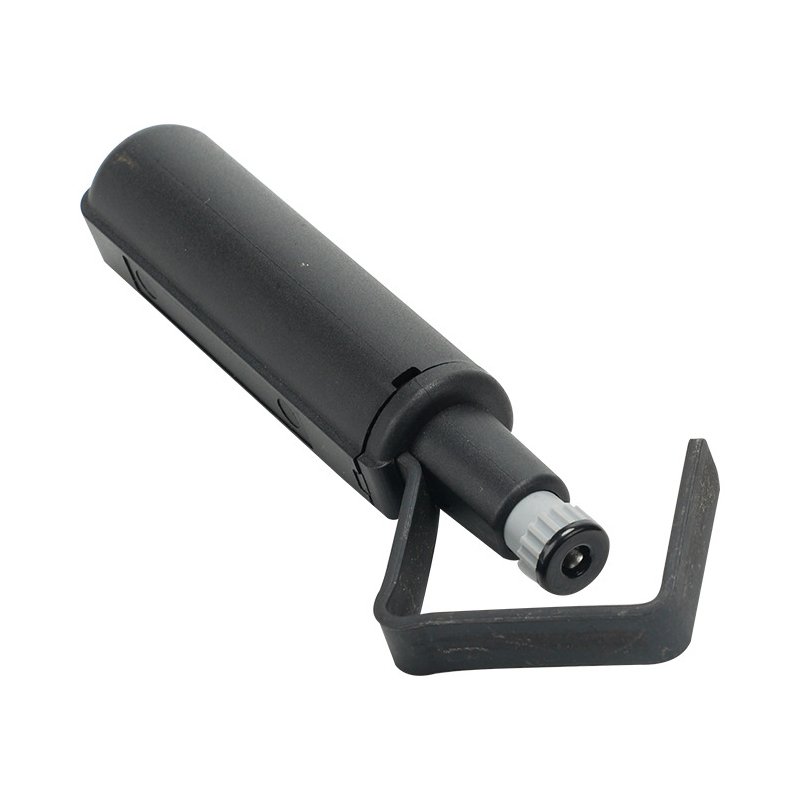
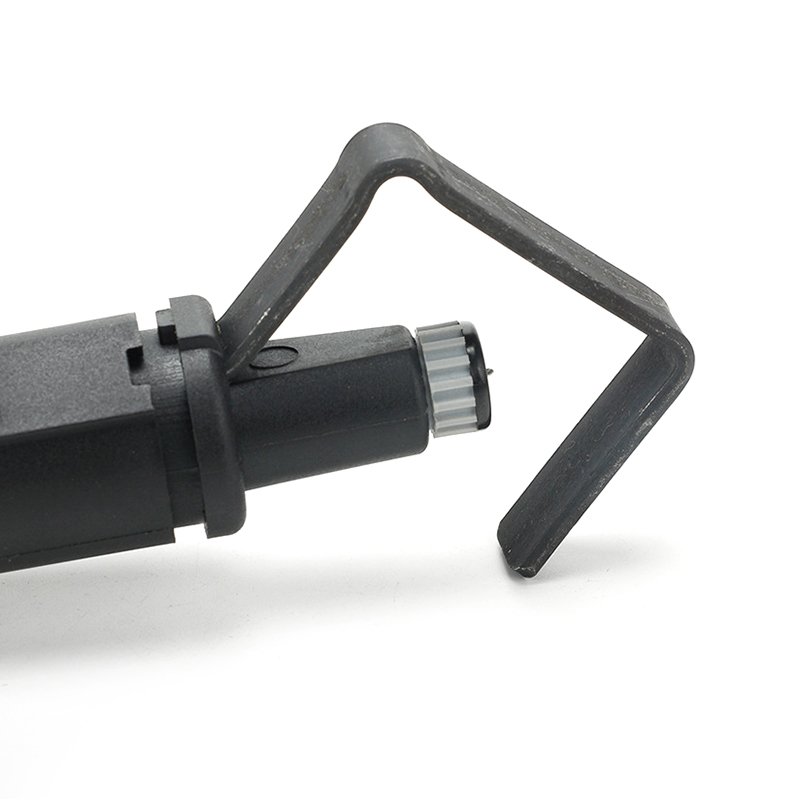
19-40mm Round Cable Stripper for Telecom Cables
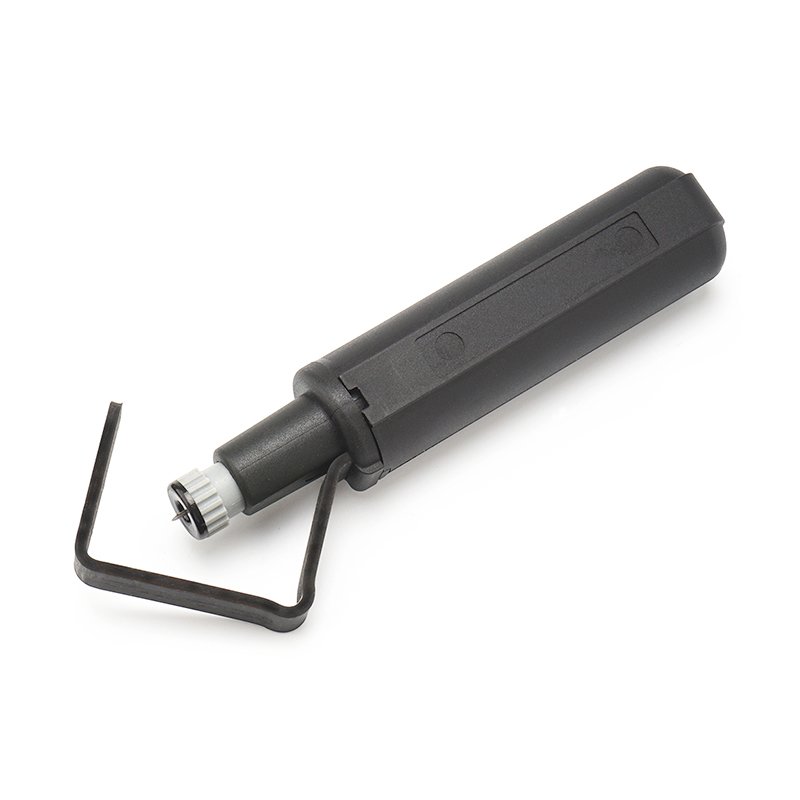
The 19-40mm Round Cable Stripper is a versatile tool that can be used for a variety of tasks, including stripping the insulation from round cables, stripping the jacket from round cables, and cutting round cables. It is designed for fast and precise stripping of a variety of jacket materials, including PVC, rubber, PE, and nylon.
- Versatile cutting modes for circular, longitudinal, and spiral jacket removal
- Precision blade depth calibration up to 4.5 mm for conductor protection
- Impact-resistant, glass-fiber reinforced polymer body for field durability
- High-carbon steel blades ensuring clean and razor-sharp incision quality
- Ergonomic spring-loaded brace for secure cable locking and stability
Description
19-40mm Round Cable Stripper is an essential instrument designed by EPCOM for professional engineers who demand pristine cable jacket removal without harming internal structures. Stripping thick-jacketed power and fiber cables can be highly challenging. However, this heavy-duty rotary tool simplifies the entire process. It expertly handles mid-span and end-stripping tasks on various insulating materials, including polyethylene, PVC, and rubber. Consequently, telecommunication teams can accelerate their deployment schedules while reducing material wastage. In modern infrastructure installation, saving time while ensuring safety is the ultimate goal. This professional device achieves exactly that by delivering predictable, repeat performance on every job site.
Precision is the foundation of high-performance networks. EPCOM engineered this tool with high-carbon steel blades to ensure clean, razor-sharp incisions. When dealing with high-capacity communication lines, even minor nicks to the inner buffer tubes can degrade transmission quality. Therefore, utilizing a dependable stripping mechanism is not just a preference; it is a strict operational requirement. This tool offers multi-directional cutting capabilities, allowing installers to switch between circular, longitudinal, and spiral cutting patterns effortlessly. As a result, stripping tough, double-jacketed cables becomes a fluid, continuous motion.
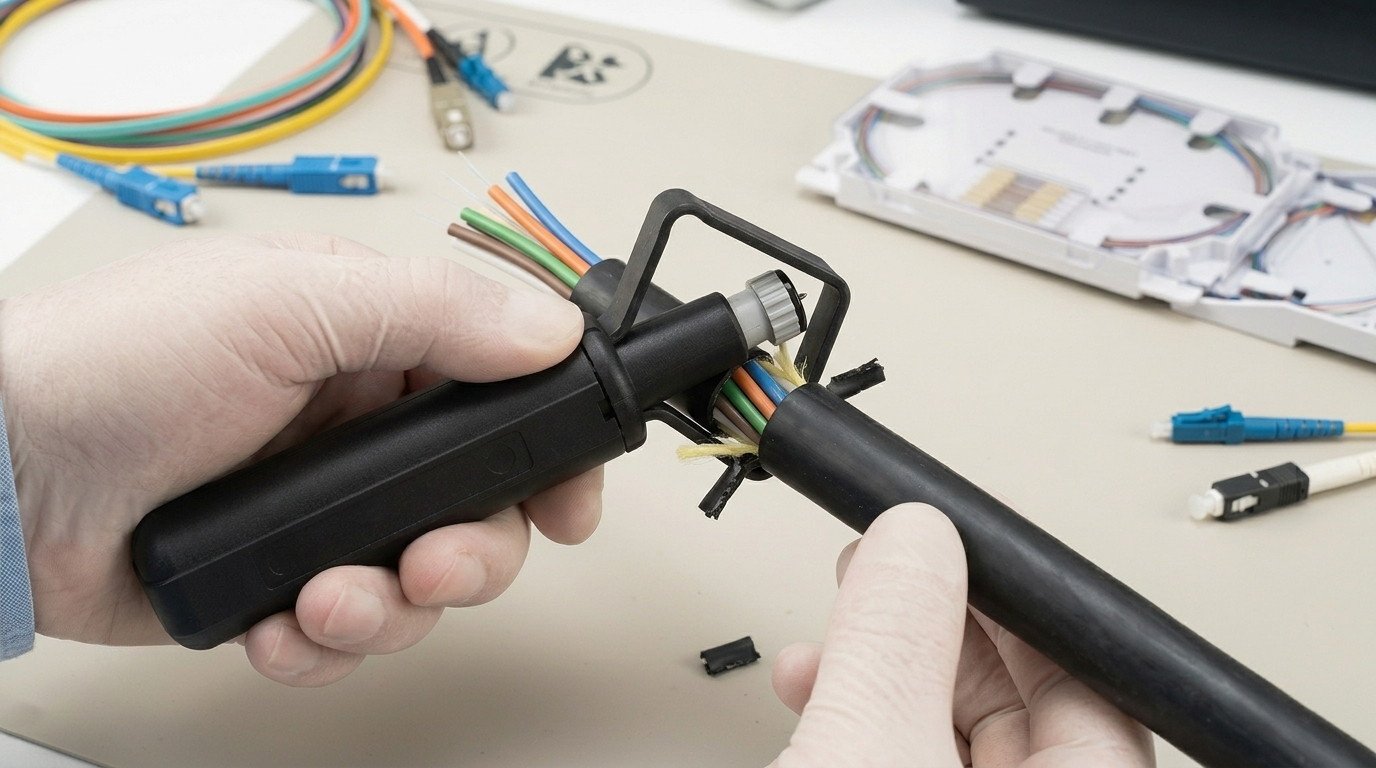
Outstanding Design of the 19-40mm Round Cable Stripper
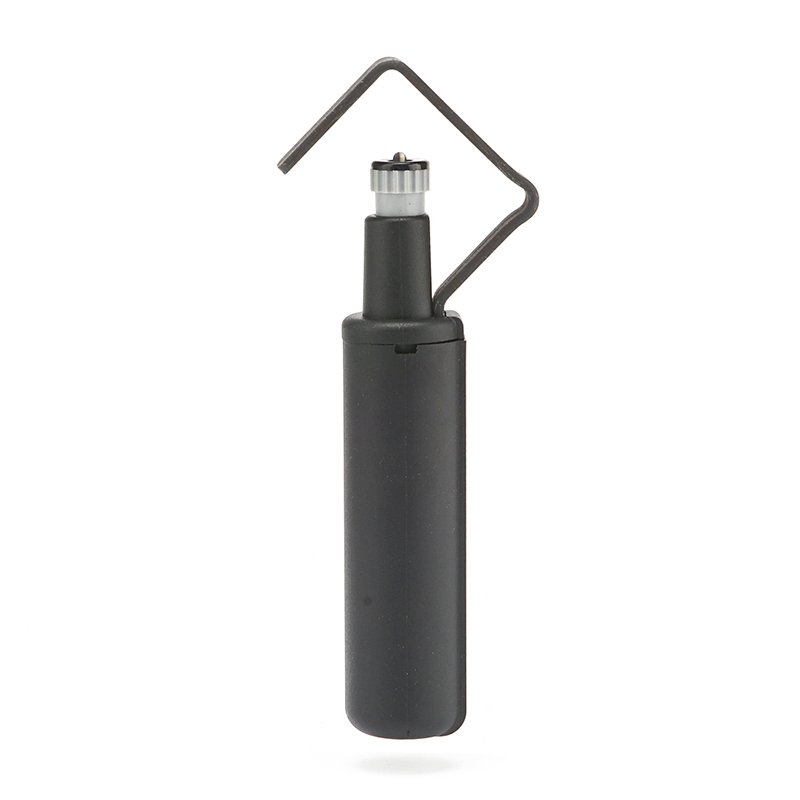
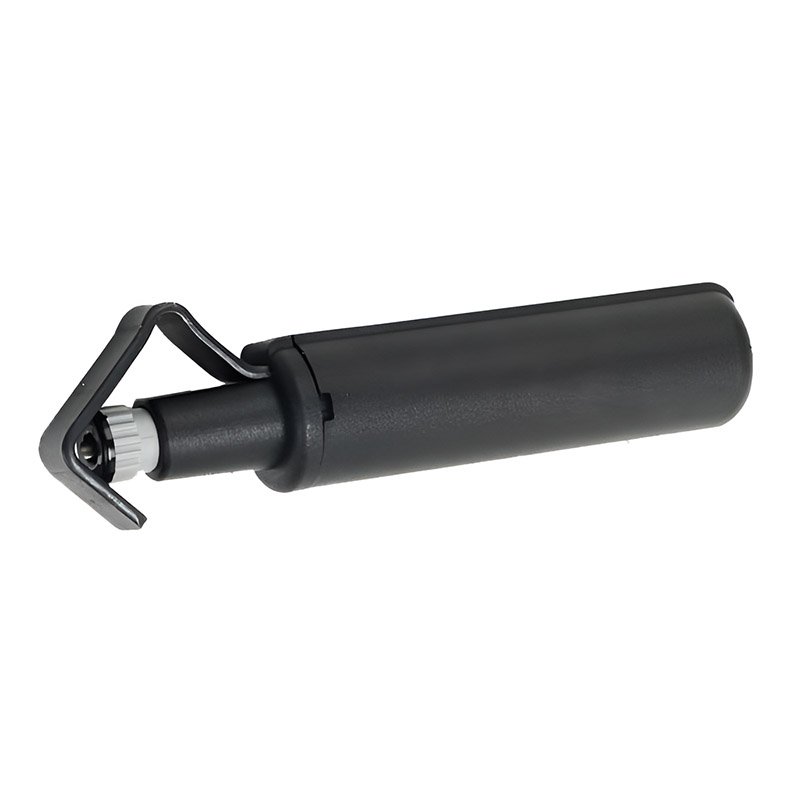
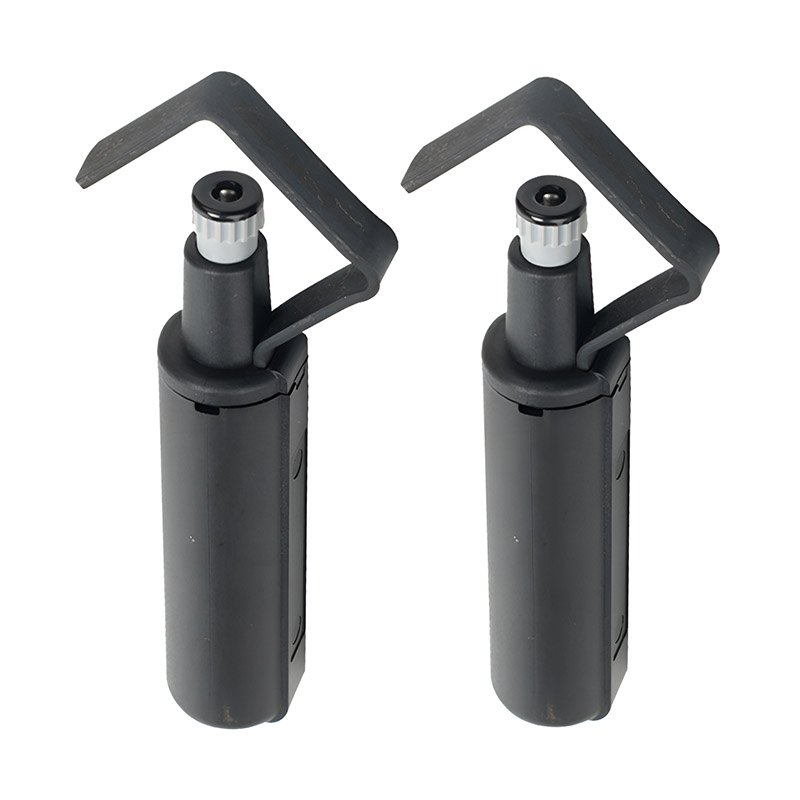
The architectural ergonomics of the 19-40mm Round Cable Stripper reflect the dedication of EPCOM to field performance. The body is fabricated from an impact-resistant, reinforced polymer. This premium material selection guarantees structural integrity even when dropped on concrete or subjected to extreme weather conditions. Furthermore, the spring-loaded cable brace firmly locks cables of various diameters in place. This unique mechanism prevents slippage during circular rotations. Consequently, operators can maintain consistent pressure throughout the entire cutting cycle.
Additionally, the blade depth adjustment mechanism is highly intuitive. Technicians can calibrate the blade depth up to 4.5 mm by turning the knurled knob located at the base of the handle. This level of precise calibration ensures compliance with stringent international electrical insulation specifications, including those outlined under IEC standards. By preventing the blade from penetrating too deeply, you safeguard the core conductors. Therefore, this tool is highly favored by utility companies worldwide for high-voltage and medium-voltage power distribution applications.
High-Precision Fiber Prep Integration Workflow
In typical fiber deployment scenarios, jacket stripping is merely the first phase of a broader sequence. After removing the outer heavy sheath, installers must carefully handle the delicate glass fibers inside. For clean and reliable optical joints, preparing the fiber core with advanced equipment is vital. After stripping the cable, the inner optical fibers must be precisely cleaved using a 3-in-1 fiber cleaver. This ensures flat, perpendicular end-faces that are crucial for minimizing optical signal loss.
Following the cleaving step, cleanliness cannot be overlooked. Any microscopic dust or grease on the core can cause major reflections and attenuation. Technicians should immediately clean the bare glass using fiber optic cleaning wipes saturated with high-purity isopropyl alcohol. This sanitizing routine removes all stubborn residues left over from the stripping jellies or water-blocking compounds. Once fully cleaned, the fibers are prepared for the final connection stage.
Finally, the cleaned and cleaved fibers are aligned and fused permanently. To achieve low-loss connections, professionals rely on a high-precision fusion splicer to complete the optical joint. This integrated workflow guarantees that your fiber optic backbone satisfies modern high-speed transmission standards. From the initial outer jacket stripping to the final fusion splicing, EPCOM provides the complete tool ecosystem required for success.
How to Operate the Tool Effectively
Operating this tool is simple, yet following the correct sequence is vital for optimal performance. First, assess the outer diameter of your target cable to ensure it falls within the 19 mm to 40 mm limits. Next, adjust the blade depth to match the thickness of the outer jacket. It is advisable to perform a test cut on a scrap piece of cable before proceeding with the main installation. Once calibrated, secure the cable under the spring-loaded guide brace.
To perform a circular cut, rotate the tool around the cable circumference several times. Then, switch the blade orientation by adjusting the tool head to initiate a longitudinal slice. Pull the tool smoothly along the cable body. For exceptionally tough insulation materials, utilizing the spiral cut option is highly recommended. The spiral path reduces the manual effort needed to peel away thick jacketing. By following these steps, you will quickly expose the inner core while keeping the electrical lines fully protected under ANSI specifications.
How to Maintain Your 19-40mm Round Cable Stripper
To maximize the service life of your 19-40mm Round Cable Stripper, basic preventative maintenance is highly recommended. First, always clean the tool after use to remove accumulated dirt, plastic shavings, and moisture. Store the device in a dry environment to avoid corrosion on the metallic components. Second, inspect the cutting blade regularly for signs of wear or dullness. A blunt blade increases the drag force, which can compromise the quality of the cut and increase operational fatigue. Fortunately, the replacement blade assembly is highly accessible and can be swapped in minutes without complex tools. By taking these simple maintenance steps, EPCOM ensures your stripping equipment remains field-ready for years to come.
Technical Specifications and Parameters
| Parameter Spec | Product Capability & Value |
|---|---|
| Applicable Cable Diameter | 19 mm to 40 mm (0.75″ to 1.57″) |
| Maximum Stripping Depth | Adjustable up to 4.5 mm (0.18″) |
| Supported Cutting Modes | Circular (Circumferential), Longitudinal, Spiral |
| Blade Material Construction | High-carbon hardened steel (replaceable) |
| Body Material Composition | Impact-resistant glass-fiber reinforced polymer |
| Compatible Cable Types | Double-sheathed fiber optic cables, power lines, copper cables |
| Insulation Jacket Options | Polyethylene (PE), PVC, Hard Rubber sheathing |
| Ergonomic Features | Spring-loaded brace guide, adjustable knurled lock-ring |
In conclusion, investing in quality physical plant tooling yields massive long-term benefits in terms of deployment speed and network longevity. EPCOM designs all equipment to face the harshest of outdoor installation scenarios. This ensures that when your engineering team is out on-site, they have access to robust and dependable technology. Protect your network investments from the very first step of cable preparation. Our specialized round cable stripper offers unmatched accuracy, speed, and safety for your operations.


